Do i need a permit for an addition
Usually, yes. Most home additions need permits because they change the size, structure, systems, or use of a home, but the exact rules depend on your city or county, your project scope, and local building code.
- Short answer: most additions need a permit
- What this means for you as a homeowner
- How permit rules work in practice
- What can happen if you skip permits
- What to watch for before you sign with a contractor
- What permits and related costs may look like
- Get matched with contractors who understand permit-heavy projects
Short answer: most additions need a permit
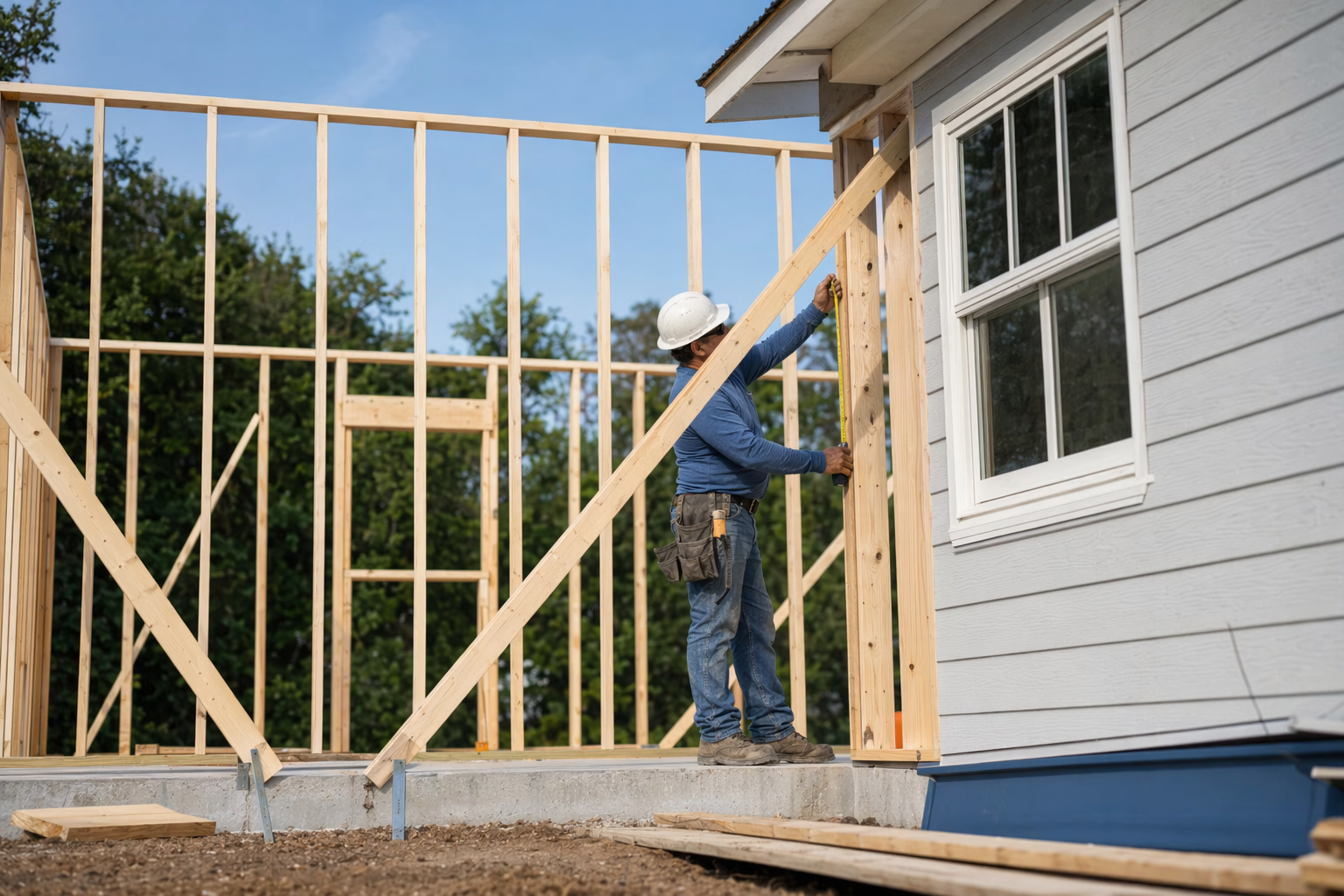
If you are adding square footage to your home, assume you will need a permit until your local building department says otherwise. That includes room additions, second-story additions, bump-outs, garage conversions in many areas, enclosed patios, sunrooms, and major changes to load-bearing walls, plumbing, electrical, or HVAC systems. Small finish-only updates sometimes do not need permits, but an addition is usually not a small finish-only job.
Permits are there to help make sure the work meets local safety and building rules. They often trigger plan review, inspections during construction, and a final sign-off before the job is considered complete. Mainstay Builders is a free matching service. We are not a contractor or building professional, so we do not decide whether your project needs a permit. We connect homeowners with licensed, bonded and insured general contractors, and you should always verify credentials and confirm permit requirements with your local building department before signing any contract.
What this means for you as a homeowner
A permit can affect your budget, timeline, and contractor choice. It may add application fees, plan drafting costs, engineering in some cases, and inspection scheduling. It can also protect you later. If work is done without required permits, you may run into trouble when refinancing, filing an insurance claim, or selling the home.
Many homeowners worry that permits are just red tape. In real life, they often matter most when something goes wrong. An inspector may catch framing, footing, electrical, stair, egress, or fire-safety issues before walls are closed up. That can save money and stress compared with fixing hidden problems after the addition is finished.
Just as important, permit rules are local. One city may require detailed plans and several inspections for the same type of addition that another city handles more simply. Historic districts, coastal zones, wildfire areas, flood zones, septic properties, HOAs, and multifamily homes can add extra layers. A licensed, bonded and insured contractor who works in your area should know the local process, but you should still verify permit requirements yourself.
- Budget for permit-related costs and possible design fees from the start.
- Expect inspections during the project, not just at the end.
- Do not assume your contractor can skip permits because the job is 'small.'
- Keep copies of approved plans, permit cards, inspection results, and final sign-off.
- Verify that the contractor is licensed, bonded and insured before you hire them.
How permit rules work in practice
Most permit decisions start with scope. A true addition increases the building footprint or enclosed living area, or it expands usable space in a way your jurisdiction regulates. Even when the outside shape barely changes, the work may still need permits if it affects structure or home systems. For example, turning a porch into interior living space may trigger permits because insulation, windows, exits, electrical work, and heating or cooling have to meet code.
The permit process usually looks something like this: plans are prepared, an application is filed, the city or county reviews the plans, corrections may be requested, the permit is issued, inspections happen at set stages, and a final inspection closes the permit. Depending on the job, you may need separate permits for building, electrical, plumbing, and mechanical work. In some areas, structural engineering, energy compliance forms, site plans, drainage review, or zoning approval are required too.
Who pulls the permit varies by local rule and project type. In many places, the licensed contractor pulls it. Sometimes the homeowner can apply as an owner-builder, but that can shift responsibility onto you. If a contractor asks you to pull the permit to avoid licensing rules or oversight, treat that as a warning sign and ask your building department what it means in your area.
- New room addition: almost always needs permits.
- Second-story addition: almost always needs permits and often structural review.
- Bump-out addition: usually needs permits even if it is small.
- Garage conversion: often needs permits because use, insulation, exits, and systems change.
- Enclosing a patio or porch: often needs permits, especially if it becomes conditioned space.
- Removing or changing load-bearing walls as part of the addition: permit required in most places.
What can happen if you skip permits
Unpermitted work can create expensive problems. Your city may issue a stop-work order, require plans after the fact, charge penalties, or make you open finished walls so hidden work can be inspected. If the addition does not meet code or zoning, you may have to redo part of the project or, in severe cases, remove it.

There can be financial consequences too. A lender or buyer may ask whether the addition was permitted. An appraiser may treat unpermitted space differently. Insurance questions can get complicated after damage or injury if work was not properly permitted and inspected. None of this means every old unpermitted project becomes a disaster, but it is a real risk and worth taking seriously.
What to watch for before you sign with a contractor
A good contractor should be clear about whether permits are expected, who is responsible for applying, what inspections are likely, and how permit timing may affect the schedule. They should not promise that permits will be approved quickly or at all. Honest contractors know review times vary and correction requests happen.
Ask direct questions in plain language. Have them explain the project scope, whether the addition changes structural elements, whether zoning setbacks or height limits may apply, and what drawings may be needed. If English is not your first language, bring a family member or interpreter you trust, ask for written scope details, and do not sign anything you do not understand. You do not need to share immigration status or sensitive personal information to ask for contractor estimates or discuss a home project.
- Are you licensed for this kind of work in my state or local area?
- Are you bonded and insured, and can you provide proof?
- Do you expect this addition to require building, electrical, plumbing, or mechanical permits?
- Who will pull the permit, and whose name will be on it?
- What inspections are typical for this kind of addition?
- What could delay approval or change the plan?
- Will you give me a written scope of work and payment schedule?
Also watch for vague bids, cash-only requests, pressure to sign fast, or advice to describe the project as something smaller than it really is. Those are all reasons to pause. Always verify the contractor's license status and insurance yourself before moving forward.
What permits and related costs may look like
Permit costs vary a lot by location and project complexity. There is no single national permit fee for an addition. Some areas charge modest flat or base fees for small projects, while others calculate fees based on valuation, square footage, systems involved, and plan review time. These numbers are broad estimates, not quotes or guarantees.
Those construction numbers can swing much higher for second-story work, major structural changes, high-cost markets, premium finishes, difficult site conditions, or utility upgrades. They can also be lower for very simple projects in lower-cost areas. The point is not to lock in a price. It is to plan realistically and get written estimates from licensed, bonded and insured contractors who understand your local permit process.
Get matched with contractors who understand permit-heavy projects
If you are planning an addition, the best next step is to talk to licensed, bonded and insured general contractors who regularly handle projects like yours in your area. Mainstay Builders is a free matching service for U.S. homeowners. We connect you with contractors for new builds, home additions, structural work, and major renovations so you can compare options and choose your own pro.
We do not build, design, engineer, inspect, or issue permits. We do not give legal or professional advice. What we can do is help you find contractors who are a better fit for the size and complexity of your project. From there, ask each contractor how they handle permits, verify their license, bond, and insurance, and confirm permit requirements with your city or county before signing.
Frequently asked questions
Do all home additions need a permit?
Not every project is regulated the same way, but most true additions do need permits. If the project adds square footage, changes structure, or affects electrical, plumbing, or HVAC systems, permit requirements are common. Always check with your local building department because rules differ by city and county.
Can my contractor tell me if I do not need a permit?
A contractor can share their experience, but they do not make the final decision unless your local authority says so. The building department or permitting office sets the rules and interprets them for your address and scope. It is smart to verify the answer yourself before work begins.
Who should pull the permit for an addition?
In many cases, the licensed contractor pulls the permit, but local rules vary. If you are asked to pull it as the homeowner, ask why and confirm with the building department what responsibility that puts on you. Be cautious if it seems like the goal is to avoid normal licensing or inspection requirements.
What if the addition was already built without a permit?
That does not always mean the situation cannot be fixed, but it can become more expensive and complicated. Your local jurisdiction may require after-the-fact permits, inspections, opening finished areas, corrections, or penalties. A licensed, bonded and insured contractor may be able to assess the work, but only your local authority can say what is required.
Will permits make my project take a lot longer?
They can add time, especially if plan review is slow or corrections are needed. Inspection scheduling can also affect the timeline during construction. No one should guarantee approval speed or project timing, so build some flexibility into your plans.
How much should I budget for permit costs?
Permit fees for additions vary widely by location and scope. Broadly, many homeowners may see permit-related fees from hundreds to several thousands of dollars, with design or engineering costs adding more on complex jobs. These are estimates, not quotes or guarantees, so get local numbers before you commit.
Do I need to share sensitive personal information to get matched with a contractor?
No. You do not need to provide immigration status, ID numbers, or other sensitive personal data just to discuss a home addition or get matched. It is enough to describe the project, your location, and how you want contractors to contact you.