Home addition contractors
Adding space to your home is a big project. Mainstay Builders helps you get matched with licensed, bonded, and insured general contractors who handle home additions, so you can compare options, ask smart questions, and choose the right pro for your job.
What this project involves
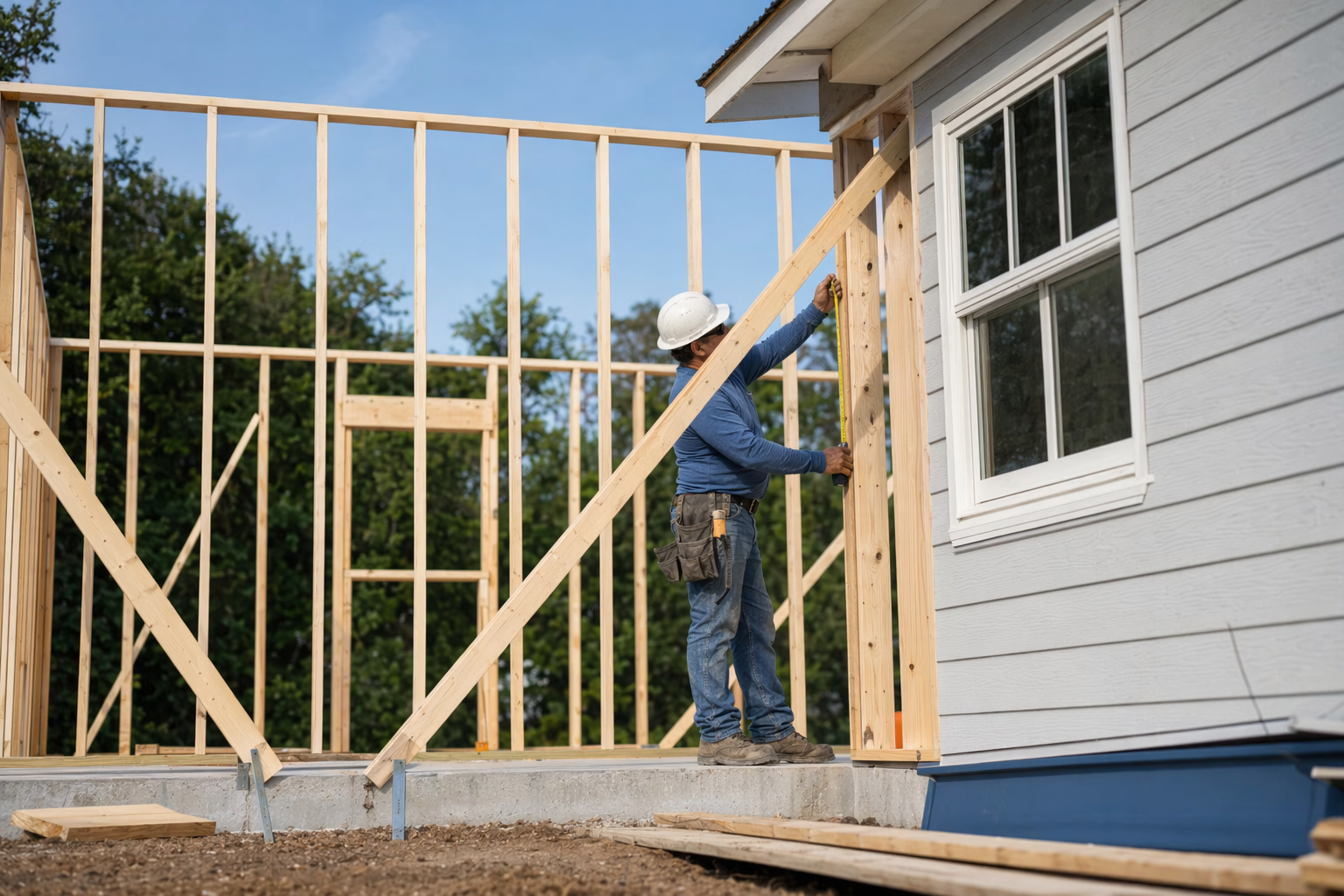
A home addition is more than building one new room. It usually affects structure, roofing, foundation, electrical, plumbing, heating and cooling, insulation, windows, and exterior finishes. Depending on the design, the work may also change traffic flow inside your home, connect new space to old framing, and require upgrades to parts of the house that were not in your original plan.
Common projects include bump-outs, new bedrooms, expanded kitchens, family room additions, second-story additions, garage conversions, attached accessory living spaces, and in-law suites. Some are relatively straightforward. Others involve major structural work, utility relocation, drainage planning, or rebuilding part of the existing home to meet current code.
Because additions touch so many systems, this is usually a job for a licensed general contractor who can manage the full project and coordinate the right trades. Mainstay Builders is a free matching service. We do not build, inspect, design, or approve the work. We connect homeowners with contractors so you can review credentials, compare scope, and choose your own licensed pro.
- Single-room addition, such as a bedroom, office, or family room
- Kitchen or dining expansion
- Bathroom addition or en suite build-out
- In-law suite or multigenerational living space
- Second-story addition
- Attached addition over or beside a garage
- Structural changes tied to an addition, such as opening walls or reinforcing framing
How the process works
Most addition projects move through a few clear stages: planning, design, pricing, permits, construction, inspections, and final walkthrough. The exact path depends on the size of the job and your local building department. A small bump-out and a full second story are very different projects, but both require coordination and realistic expectations.
When you come to Mainstay Builders, we help you get matched with contractors who handle major residential work in your area. You can explain your goals, budget range, property type, and timing. From there, you can speak directly with licensed pros, ask about similar projects, and request written estimates. We do not provide quotes or guarantee price, timing, or availability.
A strong contractor will usually want to see the home, review the site, understand your priorities, and talk through possible constraints before giving a serious estimate. That is normal. Additions are rarely one-size-fits-all because soil conditions, roof lines, utility locations, setbacks, access, and local code all affect cost and difficulty.
- Tell us the kind of addition you want and where the property is located
- Get matched with licensed, bonded, and insured general contractors
- Discuss scope, schedule, permit handling, and budget expectations
- Compare written estimates and proposed project approach
- Check license status, insurance, references, and contract terms
- Choose the contractor you trust
If English is not your first language, that is okay. Many families want a contractor who communicates clearly and respectfully. You can ask for simple explanations, translated written materials if available, and a step-by-step breakdown of the work before you agree to anything.
Permits, licensing, and inspections
Most home additions require permits. In many areas, even a modest new room needs plan review, structural review, and inspections at different stages. If the project adds plumbing, electrical, gas, HVAC, or changes load-bearing elements, permit requirements are even more likely. Rules vary by city, county, and state, so your contractor should explain what permits are needed for your specific address.
Licensing matters because additions can affect safety, resale value, and insurance coverage. A licensed general contractor is typically responsible for managing the job and coordinating qualified subcontractors. Bonding and insurance matter too. Bond coverage can help in certain situations if obligations are not met, and insurance helps protect against some property damage or injury claims. Coverage details vary, which is why you should ask for proof and verify it yourself.
Inspections are not a formality. They help confirm that key stages of the work meet local code. That may include foundation, framing, rough electrical, rough plumbing, insulation, and final inspection. If a contractor suggests skipping permits to save money or speed things up, that is a serious warning sign.
- Ask who will pull the permits and whose name will be on them
- Verify the contractor's license with your state or local licensing agency
- Ask for current proof of general liability insurance and workers' compensation coverage where required
- Confirm whether structural plans or engineering may be required
- Get inspection stages and responsibilities in writing
- Never sign a vague contract that does not spell out scope, payment schedule, and permit responsibility
What it typically costs
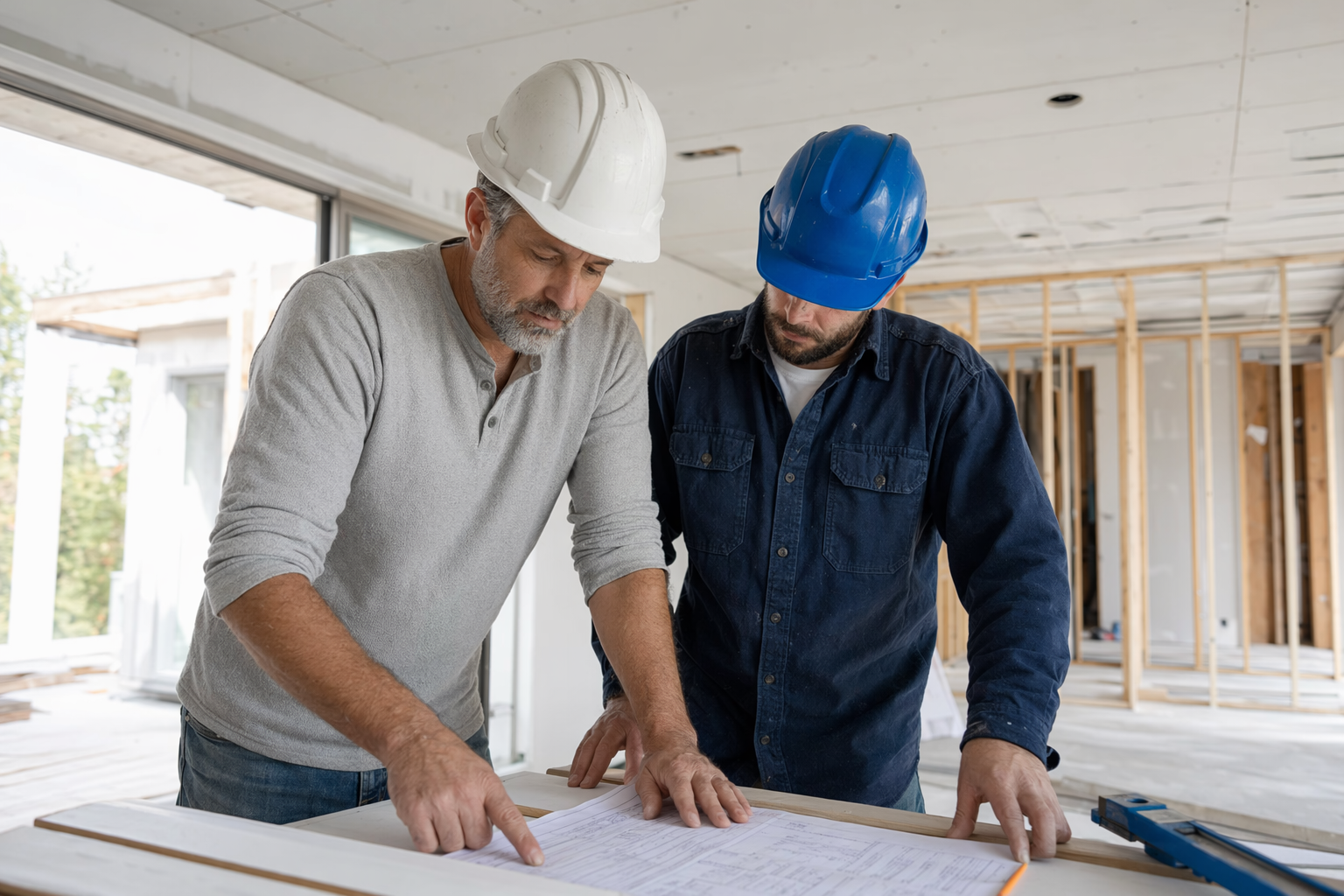
Home addition costs vary widely across the U.S. Size, design complexity, foundation type, roof work, finish level, labor market, permit requirements, and whether plumbing or a kitchen is involved all matter. The figures below are broad national estimates, not quotes or guarantees. A local contractor needs to review your site and plans before anyone can price the project responsibly.
Projects on the lower end tend to be simpler additions with basic finishes, easier site access, and limited plumbing or structural changes. Costs rise fast when the project needs a new bathroom, kitchen hookups, major foundation work, custom windows, roof redesign, utility upgrades, or extensive changes to the existing home.
It is also common to see soft costs and indirect costs beyond the build itself. These may include design fees, surveys, engineering, permit fees, temporary housing during part of construction, storage, debris hauling, and repair of areas affected by tie-in work. If your home is older, hidden issues like outdated wiring, water damage, or undersized framing can add cost after walls or ceilings are opened.
- Adding a bathroom usually costs more than adding a basic bedroom because plumbing and ventilation increase complexity
- A second-story addition often costs much more than a ground-level room because structure and roof work are major factors
- Higher-end finishes, large glass openings, and custom layouts can push pricing well above average
- Tight lot lines, difficult access, hillside conditions, or strict local rules can increase labor and permit costs
- A thorough written estimate is more useful than a low verbal number
A good rule is to compare more than one written estimate and make sure you are comparing the same scope. One proposal may include permits, drawings, insulation level, cleanup, and finish materials, while another may leave those items out. Lower is not always cheaper in the end if the scope is incomplete.
How long it may take
Home additions usually take longer than homeowners hope, especially once design, permits, and inspections are included. Small additions may move faster, but full start-to-finish timelines often stretch over several months. Larger or more complex projects can take much longer. These are estimates, not promises, because weather, plan changes, inspection scheduling, material lead times, and hidden site conditions can all cause delays.
As a very broad national guide, a modest addition might take around 2 to 5 months of on-site construction after permits are approved. A larger addition, in-law suite, or second-story project may take 4 to 9 months or more of construction. Before construction even starts, design, pricing, revisions, and permit review can add several weeks to several months depending on your area.
Ask each contractor two separate questions: how long pre-construction may take, and how long actual construction may take. That gives you a clearer picture than one combined number. It also helps to ask what could delay the project and how change orders will affect timing.
How to choose the right contractor
The right contractor for a home addition is not just someone who can build. You want someone who communicates clearly, understands structural tie-ins, works with permits and inspections regularly, and gives detailed written information. Additions are complicated because new work must connect safely and cleanly to the existing house.
When you compare contractors, look at experience with projects similar to yours. A company that mainly does cosmetic remodels may not be the best fit for a large addition. Ask how they handle site protection, scheduling, subcontractors, change orders, payment draws, and final punch-list items. Clear answers now can prevent problems later.
- Verify license, bond, and insurance before signing
- Ask for examples of recent additions similar in size and type
- Request a detailed written estimate with scope, allowances, exclusions, and payment schedule
- Ask who will be your day-to-day point of contact
- Confirm how permits, inspections, and any required plans will be handled
- Read the contract carefully before you agree
- Be cautious if someone pressures you to skip permits or pay large amounts in cash
It is okay to take your time. A major addition affects your home, finances, and daily routine. The goal is not to hire the fastest person or the cheapest person. The goal is to choose a licensed, bonded, and insured contractor whose scope is clear and whose process makes sense for your project.
Get matched
If you are planning a room addition, second story, in-law suite, or another major expansion, Mainstay Builders can help you get matched with licensed, bonded, and insured general contractors in your area. Our service is free to homeowners. You can compare professionals, ask questions, and decide who you want to work with.
You do not need to have every detail figured out before getting matched. Even a basic idea of the space you want, your address or ZIP code, and your rough budget range can help start the conversation. From there, the contractors can explain next steps, such as site visits, drawings, permits, and written estimates.
We welcome homeowners from many backgrounds, including immigrant families and people who prefer simple, clear communication. We do not need sensitive personal information to connect you. Always verify credentials yourself and choose the licensed professional you trust before signing any contract.
Frequently asked questions
Do I need a licensed contractor for home addition contractors?
For most home additions, hiring a licensed general contractor is the safest and most practical choice. These projects often involve structure, permits, inspections, and multiple trades, so licensing, bonding, and insurance matter. Mainstay Builders can help you get matched with contractors, but you should always verify the contractor's license, bond, and insurance yourself before signing.
How long does this kind of project take?
It depends on size, complexity, permit review, and local conditions. As a broad estimate, smaller additions may take a few months of construction after permits, while larger additions can take many months or longer. These are estimates, not guarantees, so ask each contractor about both pre-construction time and on-site construction time.
What should I have ready before I get matched?
It helps to know the type of addition you want, the property location, your rough budget range, and your target timing. Photos, sketches, inspiration images, and a list of must-haves can also help contractors understand your goals. You do not need final plans to get matched, and you should never feel pressured to share sensitive personal information.