New home construction contractors
Planning a new home build is a big step. Mainstay Builders is a free matching service that helps you connect with licensed, bonded and insured general contractors for new home construction, so you can compare options and choose the right pro for your project.
What this project involves
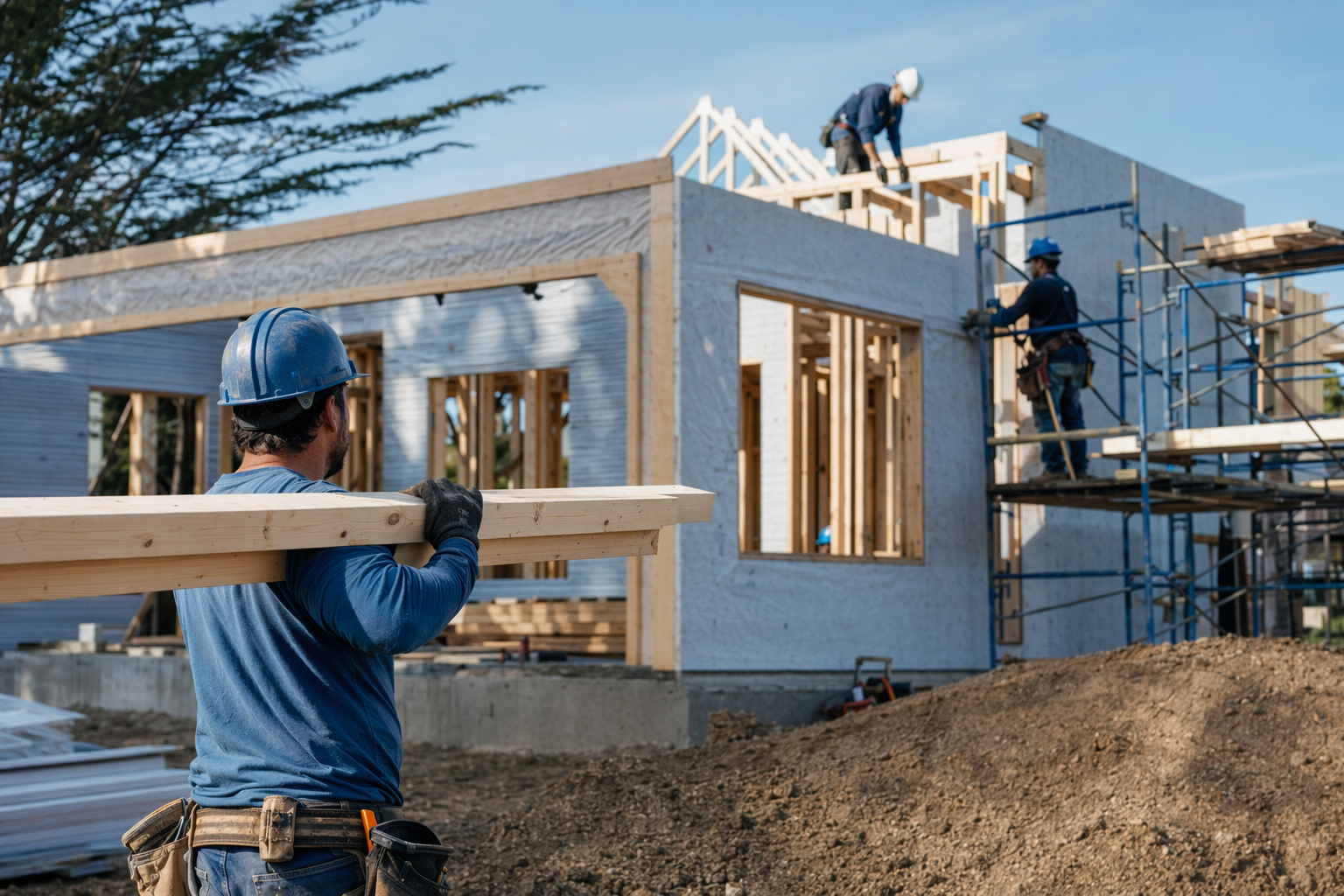
New home construction means building a house from the ground up on a legal buildable lot. This is usually a full-service project led by a general contractor, with work coordinated across site prep, foundation, framing, roofing, windows, mechanical systems, insulation, drywall, interior finishes and final inspections. Every home and every site is different, so the exact scope depends on your plans, your land, local code requirements and the materials you choose.
Some homeowners already have land, plans and financing lined up. Others are still figuring out the basics. Either way, the right licensed contractor can help you understand what is realistic for your site and budget. Mainstay Builders does not build homes or give engineering, legal or code advice. We help you get matched with contractors you can speak with directly, and you should always verify licenses, insurance and references before signing any agreement.
- Site review and buildability check
- Clearing, grading and utility planning
- Foundation and structural framing
- Roofing, windows and exterior weatherproofing
- Plumbing, electrical and HVAC rough-ins
- Insulation, drywall, flooring and cabinets
- Interior trim, fixtures, paint and final finishes
- Municipal inspections, punch list and final approvals
How the process works
A new build usually starts with your goals. You may want a custom house, a simpler plan on your lot, or a home designed around a growing family. Before work starts, most projects need plans, a realistic budget, a basic scope and a contractor who can coordinate trades, scheduling and inspections. If you are not sure where to begin, getting matched with contractors can help you understand the path forward.
When you contact Mainstay Builders, we help connect you with contractors who handle new home construction in your area. You can explain your timeline, lot status, square footage goals, style preferences and any language needs for communication. Then you can compare availability, experience and how clearly each contractor explains the process. Because we are a matching service, the contractor relationship, pricing and final contract are always between you and the contractor you choose.
- Share the basics of your project, such as location, lot status and home size goals
- Get matched with licensed, bonded and insured general contractors where available
- Talk through scope, schedule expectations and what each contractor includes
- Review bids carefully and compare allowances, exclusions and payment schedules
- Verify license status, insurance coverage and references before signing
- Choose your contractor and move into planning, permits and construction
For many families, especially first-time builders and households more comfortable in a language other than English, the early conversations matter a lot. Clear communication can prevent costly misunderstandings. It is okay to ask a contractor to explain terms in plain language, repeat numbers, or put details in writing. A trustworthy licensed pro should be willing to do that.
Permits, licensing and inspections
New home construction almost always requires permits and multiple inspections. Requirements vary by state, county and city, but most areas require approved plans and inspections at different stages of the build. These may include foundation, framing, plumbing, electrical, mechanical, insulation and final occupancy inspections. Rules can also change based on flood zones, wildfire zones, coastal areas, septic systems, wells or homeowner association requirements.
You should use a licensed contractor when your state or local area requires one, and in practice most homeowners should strongly prefer a licensed, bonded and insured general contractor for a project this large. Licensing does not guarantee perfect work, but it is a basic filter. Insurance and bond coverage matter too, because new construction involves major structural work, subcontractors, equipment, scheduling and real financial risk.
- Confirm the contractor's active state or local license number
- Ask for proof of general liability and workers' compensation insurance
- Check whether the contractor is bonded if your area requires it
- Ask who pulls permits and whose name is on the permit
- Make sure the written contract matches the approved plans and scope
- Do not sign until you understand allowances, change orders and payment timing
What it typically costs
National new home construction costs vary widely. As a very broad estimate, many custom or semi-custom builds land somewhere around $150 to $400+ per square foot for the house itself, but high-cost areas and higher-end finishes can go much higher. These are estimates, not quotes or guarantees. Your actual cost depends on location, plans, engineering needs, site conditions, labor market, materials, complexity and what is included in the contract.
A 2,000-square-foot home, for example, might cost roughly $300,000 to $800,000 or more for construction alone using those broad national ranges. That does not automatically include land, demolition, surveys, architectural plans, engineering, permits, driveways, utility hookups, septic, well, landscaping, fencing or financing costs. In some projects, site work alone can add tens of thousands of dollars before the vertical build really starts.
- Lot conditions such as slope, rock, access and soil quality
- Foundation type and structural engineering needs
- Local labor rates and permit fees
- House size, layout complexity and ceiling heights
- Energy code requirements and window package
- Kitchen, bath and flooring finish level
- Utility connection distance and septic or well needs
- Change orders after construction starts
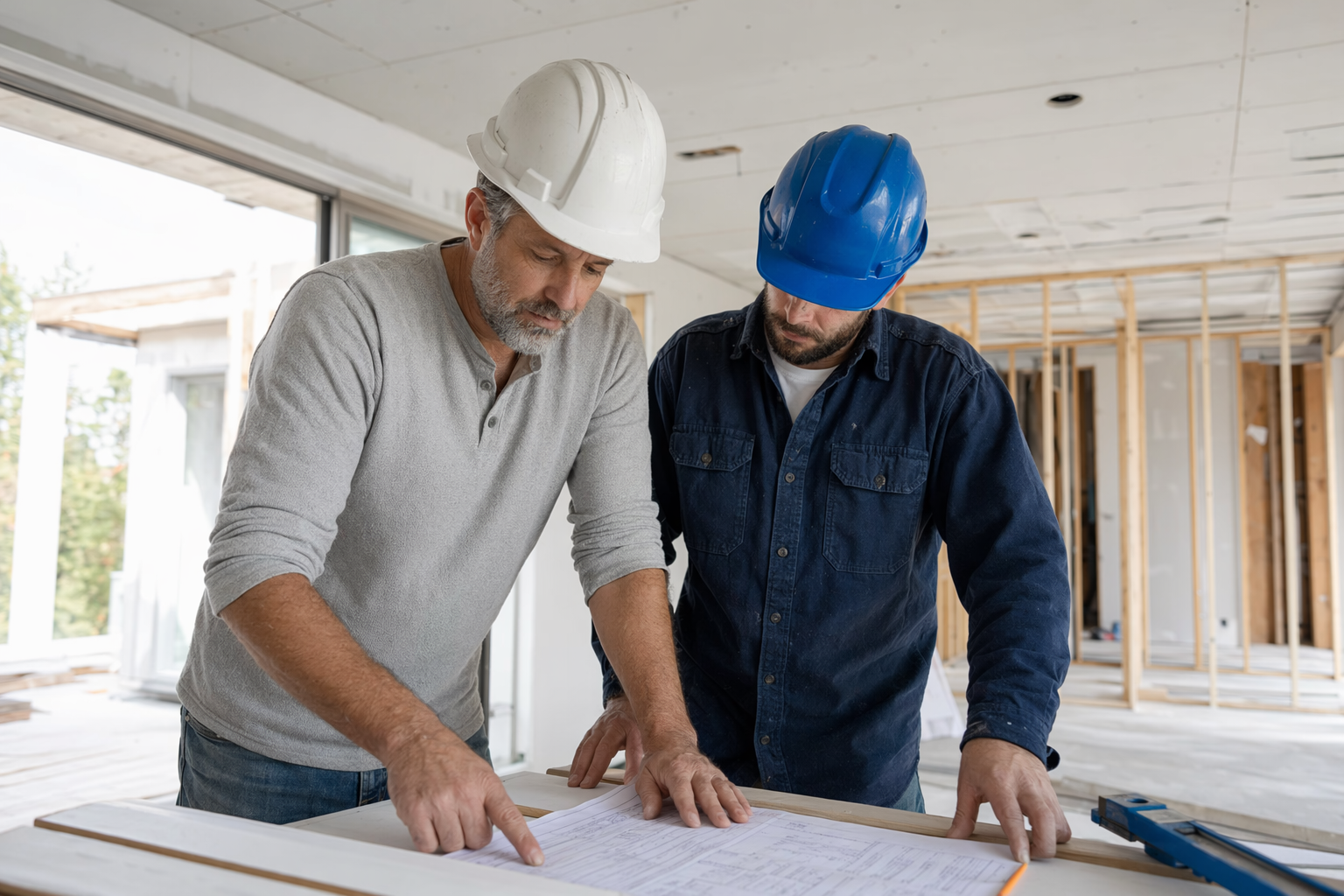
When you compare bids, ask each contractor to break out major categories if possible. That can make it easier to see whether one price is lower because something is missing, not because it is a better deal. Ask about allowances for cabinets, tile, appliances, fixtures and lighting. Low allowances can make an estimate look cheaper at first, then grow later.
How to choose the right contractor
Choosing a contractor for a new home is not only about the lowest number. You want a licensed, bonded and insured general contractor who has real experience managing ground-up construction and who communicates clearly. A strong contractor should be able to walk you through the sequence of work, explain likely risks, identify what is excluded from the bid and tell you how change orders are handled.
Ask for recent projects similar to yours. If possible, speak with past clients about communication, budget changes, cleanliness, supervision and how problems were resolved. Review the proposed contract carefully. Payment schedules should usually be tied to milestones, not vague promises. Make sure you understand who supervises the site day to day, how often you will get updates and who your point of contact will be.
- Experience with new builds, not just smaller remodels
- Active license, bond and insurance verification
- Clear written scope and realistic inclusions
- Transparent process for change orders and allowances
- Reasonable payment schedule tied to progress
- Strong communication and responsiveness
- Good references from recent homeowners
- Comfort working with your plans, language needs and budget goals
Watch out for major red flags. Be cautious if someone asks you to pull your own permit without a clear reason, refuses to show proof of insurance, pressures you to decide immediately, gives a dramatically lower bid with little detail, or will not put promises in writing. Those problems can become expensive later.
What to have ready before you get matched
You do not need to have every detail figured out before you talk with contractors. But a little preparation helps you get better conversations and more useful estimates. Start with the basics: where you want to build, whether you already own the lot, the rough home size, the number of bedrooms and bathrooms, and your target budget range. If you already have plans, surveys or engineering documents, that can help too.
- Property address or lot location
- Whether you already own the land
- Approximate square footage and room count
- Any plans, sketches, surveys or soil information you have
- Your budget range and financing status
- Your hoped-for timeline
- Special needs such as accessibility, multigenerational layout or language preference
If you do not have plans yet, that is okay. A contractor can still tell you what is usually needed next and what parts of the budget tend to surprise homeowners. Mainstay Builders does not ask for immigration status, Social Security numbers or other sensitive personal information. We focus on the project basics needed to help connect you with contractors.
Get matched with licensed contractors for a new home build
A new house is one of the biggest projects most homeowners will ever take on. The right start can save time, stress and expensive mistakes. Mainstay Builders is a free service that helps you get matched with licensed, bonded and insured general contractors for new home construction, so you can compare options and choose the professional that fits your project.
Whether you are building your first home, planning a multigenerational house, or starting over on a new lot, we can help you take the next step. Share the basics of your project, ask direct questions and always verify credentials before signing. You stay in control of the decision.
Frequently asked questions
Do I need a licensed contractor for new home construction contractors?
In most cases, yes, you should strongly prefer a licensed general contractor for new home construction, and many states or local areas require it. This kind of project involves permits, inspections, structural work and multiple subcontractors, so licensing, bonding and insurance matter. Mainstay Builders can help you get matched, but you should always verify the contractor's active license and insurance yourself before signing.
How long does this kind of project take?
Many new home builds take roughly 8 to 18 months from planning to completion, but some are faster and some take much longer. Permits, design changes, weather, site conditions, labor availability and material delays can all affect timing. Any timeline you hear early on should be treated as an estimate, not a guarantee.
What should I have ready before I get matched?
It helps to have the property location, lot status, rough square footage, room count, budget range and timeline goals. If you already have plans, a survey or financing information, that can make contractor conversations more productive. If you do not have all of that yet, you can still get matched and learn what steps usually come next.