Whole-home renovation contractors
Planning a full gut renovation or major remodel is a big step. Mainstay Builders is a free matching service that connects homeowners with licensed, bonded, and insured general contractors who handle whole-home renovation projects, so you can compare options and choose the right pro for your home.
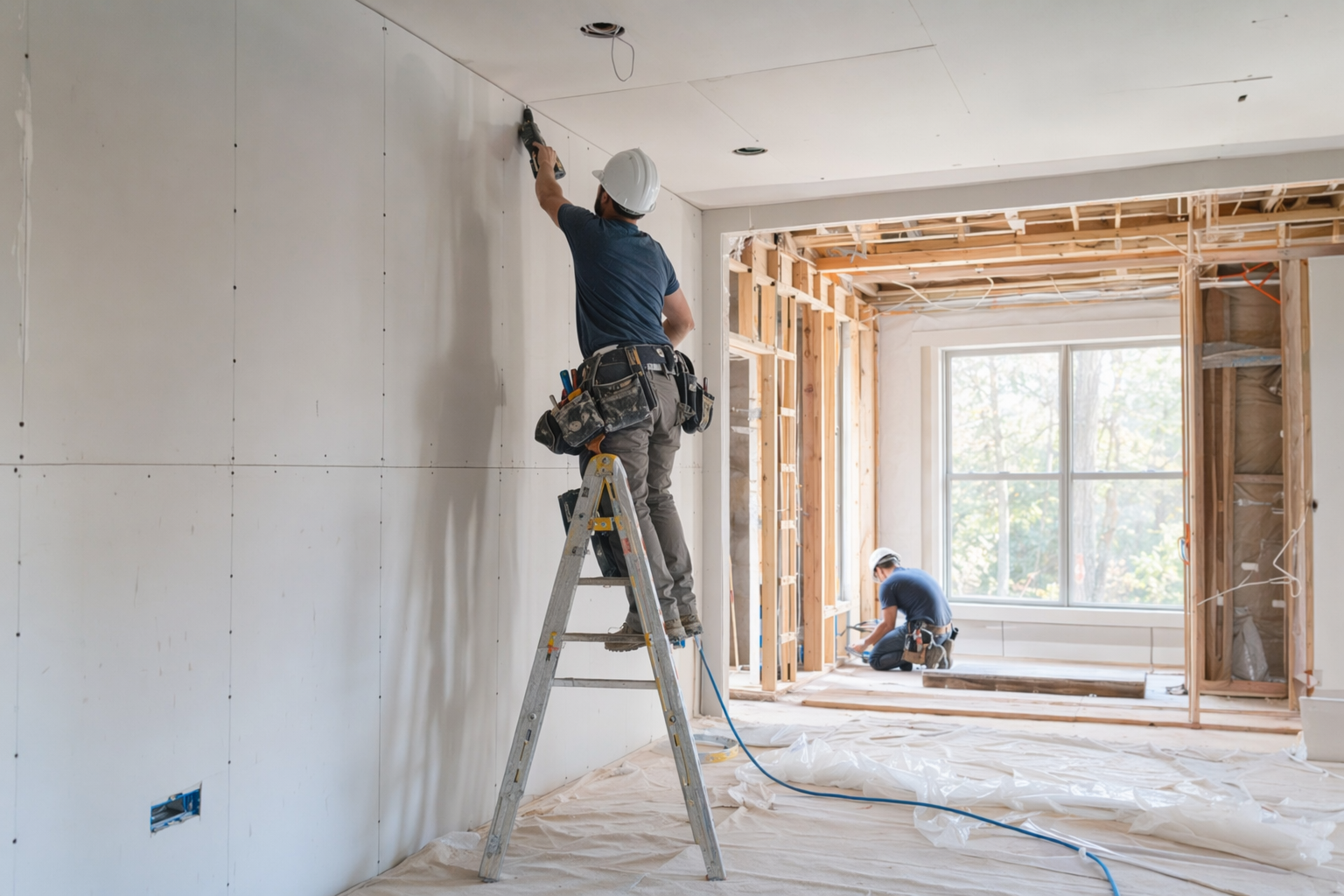
What a whole-home renovation usually involves
A whole-home renovation is more than updating one room. It often means reworking large parts of the house at the same time, sometimes down to the studs. These projects can include new layouts, kitchen and bathroom remodels, structural changes, new flooring, windows, roofing, electrical rewiring, plumbing replacement, HVAC updates, insulation, drywall, interior finishes, and exterior improvements.
Some homeowners choose a full renovation because the home is outdated. Others want to fix long-term issues, make the space safer, create room for a growing family, or modernize an older property they just bought. In many cases, the work needs to be carefully coordinated so one trade does not undo another. That is why many people look for a licensed general contractor who can manage scheduling, permits, inspections, subcontractors, and day-to-day project flow.
Not every whole-home renovation is the same. One project may focus mostly on finishes and systems, while another may involve moving walls, strengthening framing, replacing old plumbing lines, or correcting hidden damage found after demolition. That is also why prices and timelines vary so much. Until a licensed contractor reviews the property, no one can responsibly promise an exact cost or completion date.
- Full gut renovations that remove drywall, cabinets, fixtures, and finishes throughout most or all of the home
- Major remodels that combine kitchen, bathrooms, living areas, bedrooms, and system upgrades in one coordinated project
- Structural work such as removing or adding walls, beam work, floor plan changes, or foundation-related repairs when needed
- Mechanical updates like new electrical panels, wiring, plumbing supply and drain lines, water heaters, HVAC systems, and ventilation
- Safety and code-related improvements, especially in older homes with outdated materials or unpermitted past work
How the process works
Whole-home renovation projects usually start with planning, not demolition. Before any work begins, homeowners often need to decide what they want to change, what problems need to be fixed, and what budget range feels realistic. A qualified general contractor may then review the home, discuss your goals, and explain what parts of the plan need permits, specialty trades, or design input.
After you contact Mainstay Builders, we help connect you with contractors who take on major renovations in your area. You can discuss the size of your project, your preferred timing, and any language or communication needs. From there, you compare contractors, ask questions, and decide who you want to move forward with. The contractor you choose would handle the actual estimate process, site visit, project planning, and construction work.
A typical renovation process includes a walkthrough, scope review, preliminary pricing or estimate, design or plan development when needed, permit applications, demolition, rough-in work, inspections, installation of finishes, and a final punch list. If hidden issues come up, such as water damage, rot, old wiring, foundation movement, or code corrections, the scope and cost can change. That is common in older homes and one reason experienced project management matters.
- Step 1: Share basic project details so we can help match you with contractors who handle whole-home renovations
- Step 2: Meet with licensed, bonded, and insured contractors to review your home and discuss your goals
- Step 3: Compare experience, communication style, scope, timelines, references, and written estimates
- Step 4: Verify licenses, insurance, and permit responsibility before choosing your contractor
- Step 5: Sign a clear written contract only when you understand the scope, payment schedule, change-order process, and expected project stages
Permits, licensing, and inspections matter on this kind of job
For a whole-home renovation, permits are often required. That is especially true when the project changes structural elements, electrical systems, plumbing, HVAC, windows, occupancy layout, or other code-regulated parts of the house. Permit rules vary by city, county, and state, so the right answer depends on where the property is located and what work is planned.
Hiring a licensed contractor is important because large remodels involve safety, code compliance, scheduling, and legal responsibility. A licensed, bonded, and insured general contractor may coordinate multiple trades and help move the work through required inspections. If someone suggests skipping permits on major work, that should raise concern. Unpermitted renovations can create problems with safety, resale, insurance claims, and future corrections.
Always verify the contractor's license status with your state or local licensing authority before signing a contract. Ask whether they carry general liability insurance and workers' compensation coverage, and request proof directly. Also ask who is responsible for pulling permits, scheduling inspections, and correcting failed inspections if they happen. A reputable contractor should be clear about this in writing.
- Ask for the full legal business name that appears on the license
- Verify the license status yourself with the appropriate state or local agency
- Confirm the contractor is bonded if your state requires or offers it
- Request current proof of insurance, including liability and workers' compensation where applicable
- Make sure the contract states who pulls permits and who handles inspections
- Do not rely on verbal promises about code compliance, completion dates, or final cost

What whole-home renovations typically cost
Whole-home renovation costs vary widely because the scope can be very different from house to house. Size, location, age of the home, structural needs, labor rates, finish level, permit requirements, and hidden conditions all affect pricing. A cosmetic remodel of a smaller home will cost far less than a full gut renovation with layout changes, major systems replacement, and high-end finishes.
As a broad national guide, many whole-home renovations fall somewhere between about $100 and $300+ per square foot, but some projects come in lower and some go much higher. For many homeowners, that can translate into roughly $100,000 to $500,000 or more depending on the house and scope. These are estimates, not quotes or guarantees. Only a licensed contractor who has reviewed your property and plans can give you a project-specific estimate.
Homeowners should also plan for costs beyond visible finishes. Permits, design work, temporary housing, debris removal, specialty materials, code upgrades, and change orders can all affect the final total. Older homes often carry more uncertainty because damage or outdated work may only become visible after demolition starts.
A useful way to compare bids is to look beyond the bottom-line number. Check what is included, what is excluded, the allowance amounts for fixtures and finishes, the payment schedule, cleanup responsibility, warranty language, and how changes are priced. A very low bid on a major renovation may mean missing scope, weak documentation, or pressure for costly add-ons later.
How to choose the right contractor
For a whole-home renovation, you are not just hiring someone to swing a hammer. You are choosing a company to manage a large, disruptive project inside the place where you live. Good communication, organization, documentation, and problem-solving matter just as much as workmanship. The right contractor should explain the process clearly, answer questions directly, and provide a written scope that matches what you discussed.
Ask each contractor about similar projects they have completed, whether they regularly manage full-home remodels, how they handle unexpected conditions, and who will be your day-to-day point of contact. You can also ask for references from past clients with projects of similar size. Keep in mind that no contractor can honestly promise a perfect project. What matters is whether they are transparent, properly licensed, insured, and realistic about risks, timing, and communication.
- Compare at least two or three licensed, bonded, and insured contractors if possible
- Ask for a written estimate with clear scope details, not just a single total number
- Check whether the contractor has experience with major renovations, older homes, or structural changes like yours
- Review how deposits, progress payments, allowances, and change orders are handled
- Ask who supervises the work on site and how often you will get updates
- Read the contract carefully before signing, and do not pay based only on verbal promises
It is also smart to ask how the contractor protects your home during construction, how dust and debris are managed, whether you can live in the home during the work, and what happens if materials are delayed. These details affect daily life more than many homeowners expect. A clear conversation now can help prevent confusion later.
Get matched with contractors who handle major renovations
Mainstay Builders is a free service that helps homeowners connect with general contractors for whole-home renovation projects. We do not build, renovate, inspect, or approve work. Our role is to help you find contractors to consider, so you can compare your options and choose the licensed professional that fits your project.
If you are planning a full gut renovation, a major remodel after buying an older home, or a large update that involves structural work and multiple trades, we can help you start the search. You can share the type of work you are considering, the location of the home, and your rough timing. If communication in plain English matters to you, or if your family would feel more comfortable with patient, respectful communication, that is important to mention too.
Before you choose anyone, always verify the contractor's license, bond, and insurance for yourself, review the written scope carefully, and make sure permit responsibility is clear. The final decision is yours. Our job is to help you get matched so you can move forward with more confidence and better information.
Frequently asked questions
Do I need a licensed contractor for whole-home renovation contractors?
For most whole-home renovations, hiring a licensed contractor is strongly recommended and often required for permitted work. Large remodels commonly involve electrical, plumbing, structural, HVAC, or code-related work that should be handled under the right license and permit process. Always verify the contractor's license, bond, and insurance yourself before signing any agreement.
How long does this kind of project take?
Timelines vary a lot based on the size of the home, permit review, design decisions, material availability, and hidden conditions found during demolition. Many major renovations take several months, and some take much longer, especially if structural changes or full system replacements are involved. Any timeline you receive should be treated as an estimate, not a guarantee.
What should I have ready before I get matched?
It helps to have a basic idea of what you want to change, your home's location, your rough budget comfort zone, and when you hope to start. Photos, a simple list of priorities, and any existing plans or inspection reports can also help contractors understand the project. You do not need to provide sensitive personal information, and you should never feel pressured to share anything unrelated to the renovation itself.