Structural & foundation contractors
Structural and foundation problems can affect safety, resale value, and the rest of your home. Mainstay Builders is a free matching service that connects you with licensed, bonded, and insured general contractors and, when needed, structural pros so you can compare options and choose the right team.
What this project involves
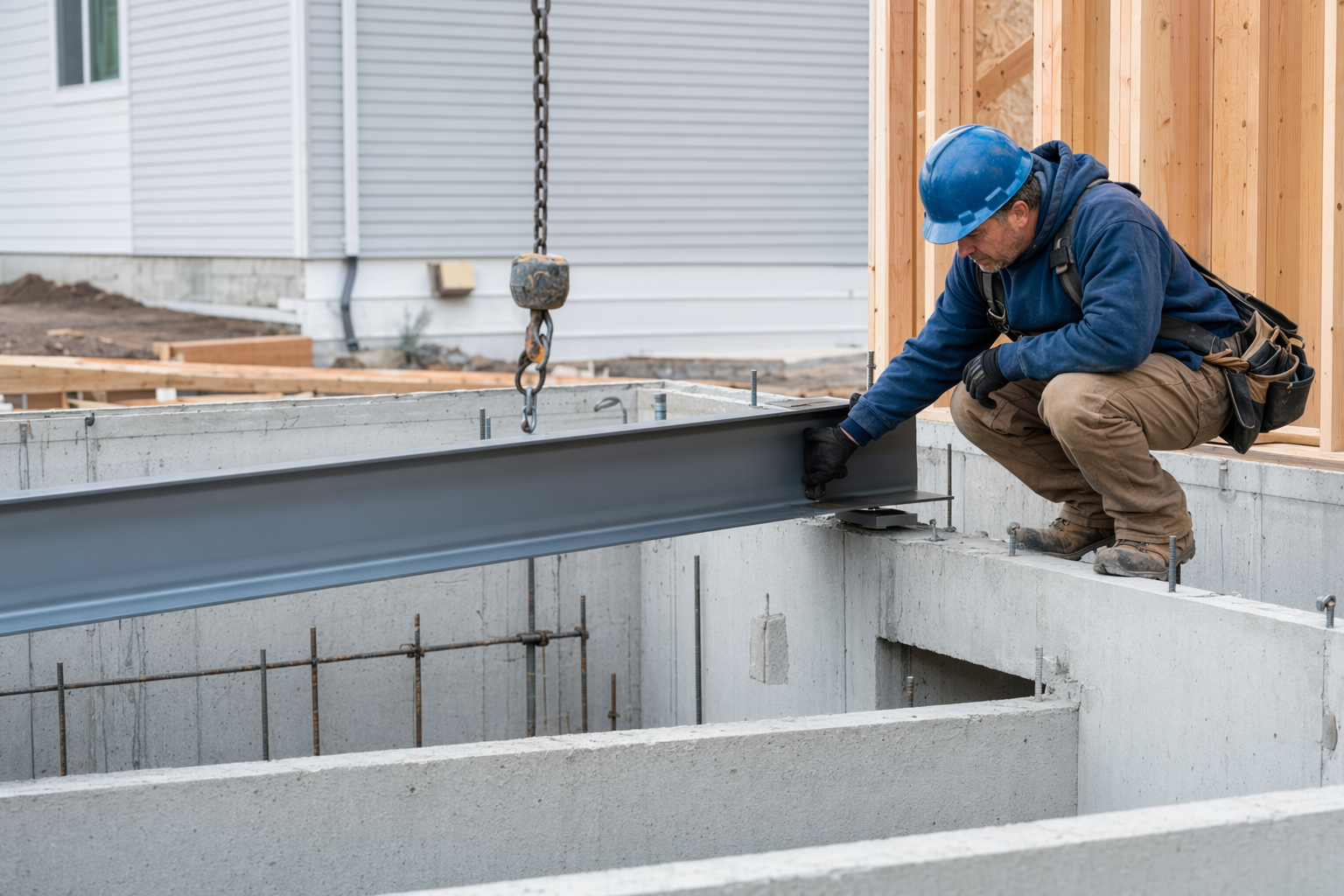
Structural and foundation work covers the parts of a house that carry weight and keep the building stable. That can include foundation cracks, uneven floors, doors that suddenly stick, bowing or leaning walls, sagging beams, damaged posts, water-related settlement, crawl space supports, slab movement, and changes to load-bearing walls. In some homes, the issue is cosmetic. In others, it can point to movement, moisture problems, framing damage, or undersized supports.
The right fix depends on the cause, not just the symptom. A crack in drywall does not always mean the foundation is failing, and a sticking door does not always mean major structural damage. That is why these jobs are usually scoped in steps: identify the problem, review the structure, decide whether engineering input is needed, then price the repair. Mainstay Builders does not diagnose structural issues or perform repairs. We connect homeowners with licensed, bonded, and insured contractors so you can get the project evaluated and choose your own qualified professional.
- Foundation crack repair and waterproofing-related correction
- Pier and beam support repairs
- Slab settlement investigation and repair coordination
- Replacement or reinforcement of beams, joists, and posts
- Crawl space structural work
- Basement wall bracing or stabilization
- Load-bearing wall changes tied to remodels or layout updates
- Repair after water intrusion, rot, or long-term movement
How the process works
Most structural and foundation projects start with a site visit. A contractor looks at the visible signs, asks when the issue started, checks accessible areas like the crawl space, basement, slab edges, or attic, and may recommend a structural engineer or other specialist if the scope is unclear. For bigger repairs, you may end up with two parts of the job: design or recommendations from a qualified professional, then the actual repair work by a licensed contractor.
Mainstay Builders helps by matching you with contractors who handle major residential work. You can compare how each company approaches the job, what permits may be needed, whether outside engineering is recommended, and what the proposed repair actually includes. That matters because one bid may cover only patching visible damage, while another may include support upgrades, drainage improvements, demolition, and finish repairs.
- Step 1: Share the problem and your home details with us
- Step 2: Get matched with licensed, bonded, and insured contractors in your area
- Step 3: Schedule site visits so they can inspect accessible areas
- Step 4: Review repair approaches, allowances, exclusions, and permit needs
- Step 5: Verify credentials and choose the contractor you trust
If English is not your first language, that is okay. We welcome homeowners from all backgrounds and can help you start the matching process clearly and simply. We do not need immigration status, SSN, or other sensitive personal data to help you get matched.
Permits, licensing & inspections
Structural and foundation work often requires permits because it affects the safety and stability of the home. Permit rules vary by city, county, and state, but projects involving footings, supports, framing changes, foundation replacement, basement wall stabilization, or load-bearing wall removal commonly trigger review and inspection. Some areas may also require stamped plans or engineering documents for certain repairs.
That is one reason to use a licensed, bonded, and insured contractor with experience in major residential work. A qualified contractor should be able to explain what permit they expect, who is responsible for pulling it, what inspections are typical, and whether outside design help is needed. Always verify the contractor's active license, bond, and insurance yourself before signing. Mainstay Builders is not a contractor or licensed building professional, and we do not issue permits, inspect work, or give engineering advice.
- Ask who will pull the permit before work starts
- Ask whether engineering or stamped drawings may be needed
- Confirm whether demolition, excavation, shoring, or finish repairs are included
- Make sure inspection steps are written into the project plan when required
- Get all change-order terms in writing

What it typically costs
Structural and foundation pricing varies a lot because the range of problems is wide. A simple crack repair is not priced like a settling foundation, a beam replacement, or a load-bearing wall change. Access matters too. Costs can rise if crews need excavation, temporary shoring, drainage corrections, engineering plans, concrete work, or finish restoration after the structural repair is complete.
These are broad U.S. estimates, not quotes or guarantees. Actual pricing depends on location, soil conditions, severity, access, permit fees, engineering, and how much surrounding work has to be opened and repaired.
You may also see separate charges for engineering review, soil or drainage recommendations, permits, excavation, finish carpentry, drywall repair, flooring patching, painting, or plumbing and electrical adjustments if the structure affects those systems. A low bid is not always the best bid if it leaves out shoring, cleanup, permit work, or the repairs needed to restore the house after the structural fix.
How to choose the right contractor
For this kind of job, experience matters as much as price. You want a contractor who regularly handles major residential work, understands permit and inspection requirements, and can explain the cause of the repair scope in plain language. If the problem is serious or the fix affects load paths, ask whether they recommend bringing in a structural engineer or other qualified professional. A good contractor should be comfortable with that question.
Compare written proposals carefully. One company may propose a targeted repair, while another recommends a wider correction because they see drainage, moisture, or framing issues tied to the same problem. Ask each contractor to walk you through what is included, what is excluded, what assumptions they made, and what could change once work opens up. Then verify license, bond, and insurance yourself before making a decision.
- Verify active license, bond, and insurance directly
- Ask how often they handle structural or foundation projects like yours
- Request a written scope with materials, support methods, and exclusions
- Ask whether permits and inspections are included
- Ask what hidden conditions could raise the cost
- Clarify whether finish repairs are included after structural work
- Do not sign until payment terms, timeline expectations, and change orders are in writing
Get matched
Mainstay Builders is a free matching service for homeowners planning major residential projects. If you are dealing with foundation cracks, settling, support issues, or a possible load-bearing change, we can connect you with licensed, bonded, and insured general contractors who handle this type of work. You can compare credentials, ask detailed questions, and choose the professional you want to hire.
Getting matched is simple. Share the basic project details, your location, and what you are seeing in the home. Photos can help, but they are not always required to start. From there, we help connect you with contractors so you can schedule next steps. We do not perform inspections, repairs, or design work, and we do not ask for immigration status, SSN, or other sensitive personal information.
Before signing with any contractor, verify the license, bond, and insurance, confirm permit responsibility, and review the written scope line by line. That extra step can help you avoid misunderstandings, surprise costs, and unsafe shortcuts.
Frequently asked questions
Do I need a licensed contractor for structural & foundation contractors?
For most structural and foundation repairs, yes, you should use a licensed, bonded, and insured contractor. These projects can affect the safety and stability of the home, and many require permits and inspections. In some cases, a contractor may also recommend a structural engineer or other qualified professional depending on the scope. Always verify credentials yourself before signing any agreement.
How long does this kind of project take?
It depends on the problem, the permit process, site access, and whether engineering review is needed. A small repair may take days, while larger structural corrections can take several weeks or longer once planning, permits, and inspections are included. No contractor should promise an exact timeline before they have inspected the home and scoped the work. Treat any early timeline as an estimate, not a guarantee.
What should I have ready before I get matched?
Have a simple description of what you are seeing, when it started, and which parts of the home seem affected. Helpful items include photos, any past inspection or repair records, notes about water intrusion or drainage problems, and your address so contractors can confirm service area and permit jurisdiction. You do not need to provide immigration status, SSN, or other sensitive personal data to get matched.