Do i need an architect or a contractor
It depends on the job. Some projects need an architect, some can start with a licensed general contractor, and many larger jobs need both. Mainstay Builders is a free matching service that helps homeowners get connected with licensed, bonded and insured general contractors so you can compare options and decide what fits your project.
Short answer
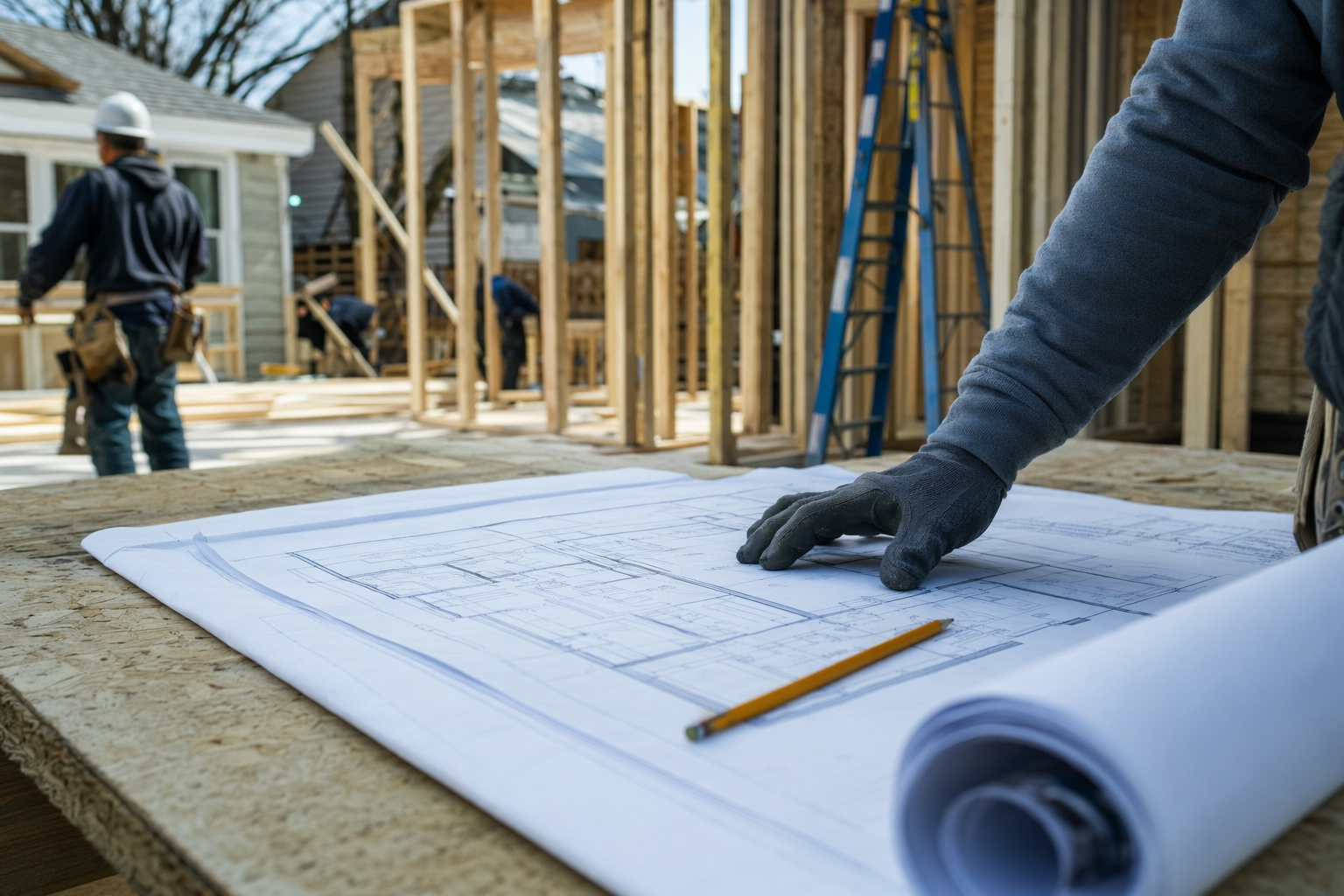
If you are changing a home’s structure, adding square footage, building a new home, or doing a major renovation, you may need an architect, a contractor, or both. An architect usually helps with design, plans, layout, and code-related drawings. A general contractor usually helps turn approved plans into real construction by managing labor, materials, scheduling, permits through the proper channels, and day-to-day site work.
For smaller or more straightforward projects, a licensed general contractor may be able to guide you on whether plans are likely to be needed before work begins. For more complex projects, especially where walls move, roofs change, additions are built, or a new house is planned, starting with design is often the safer path. Local permit rules vary a lot, so the right first step depends on your city, county, and the exact scope of work.
What an architect does, and what a contractor does
An architect focuses on design and planning. That can include floor plans, exterior appearance, room layout, natural light, traffic flow, and drawings needed for permits. On some jobs, an architect may also coordinate with a structural engineer or other specialists if the project needs technical calculations or stamped plans.
A general contractor focuses on building the project. That usually means organizing subcontractors, ordering materials, helping manage inspections, keeping work moving, and making sure construction follows the approved plans and local requirements. A good contractor can also flag practical issues early, like budget pressure, long-lead materials, access problems, or sequencing conflicts.
- Architect: design, drawings, layout, code-related planning, permit documents when required
- General contractor: pricing, scheduling, site coordination, subcontractors, materials, construction management
- Engineer, when needed: structural calculations or other technical design work required by local rules or project conditions
The key point is that these roles are different. One is not a substitute for the other in every case. A contractor can be the right first call for a straightforward remodel, but that does not mean they replace an architect when formal plans or technical design are required. Likewise, beautiful plans alone do not build the project. Many successful jobs involve both design and construction professionals working in sequence.
What it means for you
The real question is not just "architect or contractor." It is "what does my project need first?" If your project is mostly about finishes and not major layout changes, a licensed contractor may be able to help you understand scope, rough cost, and whether you are likely to need plans. If your project changes the footprint, structure, roofline, or core layout of the home, design usually becomes more important early.
Here is a simple way to think about it. If you already know exactly what you want and the work is relatively standard, a contractor may be the practical first conversation. If you are still deciding what is possible, how to use the space, or how to fit an addition on the lot, an architect may be the better starting point. If you are planning a new build, a large addition, or major structural work, expect that both may be involved.
- Start with a contractor if: the project is straightforward, the layout is mostly staying the same, and you need help scoping real-world construction
- Start with an architect if: you need a new layout, want to explore options, are adding space, or need formal plans
- Expect both if: you are building new, adding a second story, removing load-bearing walls, doing major structural work, or planning a whole-home renovation
Many homeowners also care about communication, trust, and language access. That matters. If English is not your first language, it is okay to ask for a contractor who is patient, clear, and respectful with families. You do not need to share sensitive personal details to ask for better communication. Focus on the project, the budget range you are comfortable exploring, and the type of professional support you need.
How it works in practice
In the real world, projects often start one of three ways. First, a homeowner hires an architect to create plans, then gets bids from contractors. Second, a homeowner speaks with a licensed general contractor first to understand budget and feasibility, then moves into design if plans are required. Third, the homeowner talks with several contractors and uses those conversations to decide whether design work should happen before pricing anything in detail.
For example, if you want to finish a basement with no major structural changes, a contractor may be able to tell you what is commonly permitted in your area and whether simple plans are likely to be needed. If you want to build a rear addition with a kitchen expansion and new primary suite, design usually comes first because layout, structure, drainage, setbacks, and permit documents can all affect the plan. If you want to remove a wall, the answer often depends on whether it is load-bearing, and that can trigger engineering or more formal review.
This is also where cost expectations matter. Early numbers are usually broad estimates, not quotes or guarantees. A contractor may give a rough range before plans exist, but detailed pricing usually gets better after the scope is clear. Design decisions change cost fast. So do site conditions, local labor rates, permit requirements, utility work, and structural surprises hidden behind walls or under floors.

Typical cost ranges to expect
Costs vary widely by region, home type, finishes, complexity, and local permitting. These are broad national estimates, not quotes or guarantees. They are here to help you understand scale, not to promise what your project will cost.
Architectural design fees are also variable. Some are hourly. Some are fixed fees. Some are a percentage of construction cost. On larger and more custom projects, design costs can be significant, but they may help prevent expensive changes later by clarifying the scope early. Always ask what is included, what revisions cost extra, and whether engineering or permit fees are separate.
When comparing contractors, be careful with low numbers that appear before plans, specifications, or site details are known. A rough estimate can be useful, but it is not the same as a final contract price. If one bid is dramatically lower than the others, ask why. Missing scope, unrealistic allowances, or vague exclusions can lead to costly change orders later.
What to watch for
The biggest mistake is choosing based only on who says yes first. The better approach is to understand your scope, verify credentials, and ask direct questions. Whether you start with an architect or a contractor, make sure the next step is clear before any money changes hands.
- Verify that any contractor you consider is licensed, bonded and insured where required
- Ask who pulls permits and how inspections will be handled
- Get a written scope of work and read exclusions carefully
- Ask whether plans, engineering, or surveys may be needed before final pricing
- Check references for projects similar in size and type
- Do not sign a vague agreement that does not spell out payment stages, materials, and change-order rules
- Be cautious if someone asks you to skip permits, pay mostly in cash, or start major structural work without approved plans when they are required
It is also smart to ask how communication will work. Who is your point of contact? How often will you get updates? If you prefer another language or need extra clarity for family decision-making, ask that up front. A professional should be able to explain the process in plain language. You should never feel rushed into signing before you understand the basics.
When you may need both
Many homeowners try to choose one path because they want to save money or move faster. Sometimes that works. But many larger jobs naturally involve both design and construction professionals. That is especially true for new homes, second-story additions, major reconfigurations, and projects with structural changes, setback issues, slope issues, or older homes with hidden conditions.
In those cases, the architect helps define what should be built, and the contractor helps define how it can realistically be built within your budget range and site conditions. The handoff between the two matters. Clear plans, realistic allowances, and direct answers about what is included can reduce confusion. That does not eliminate surprises, but it can lower the chances of expensive mid-project changes.
If you are unsure, getting matched with a few licensed, bonded and insured general contractors can be a practical first step. A good contractor can often tell you whether your project sounds like something that should go into design first. That does not replace formal architectural or engineering advice where needed, but it can help you avoid guessing.
Get matched
If you are planning a new build, home addition, structural project, or major renovation, Mainstay Builders can help you get connected with licensed, bonded and insured general contractors who fit your project type. Our service is free to homeowners. You can compare conversations, ask questions, and decide whether your next step should be contractor pricing, architectural design, or both.
We are a matching service only. We do not perform construction, create plans, or give professional design or legal advice. Our role is to help you find qualified contractors to speak with, so you can move forward with more clarity and make your own informed choice.
Before you sign with anyone, verify licenses, bonding, insurance, references, and permit responsibilities. Ask for written scope details. Make sure you understand what is estimated, what is included, and what could change. A careful start usually leads to a better project experience than a rushed one.
Frequently asked questions
Do I always need an architect for a remodel?
No. Some remodels can begin with a licensed general contractor, especially if the layout and structure are mostly staying the same. But if the project changes the footprint, structure, or major layout, or if local rules require plans, an architect may be needed.
Can a contractor tell me if I need plans?
A licensed, experienced contractor can often give you a practical first opinion based on the type of work and what is common locally. Still, local building departments set the actual permit requirements, and some projects also need architectural or engineering input. Always verify before signing or starting work.
Should I get plans before asking contractors for prices?
For larger or more custom projects, yes, plans usually lead to more accurate pricing because contractors are bidding the same scope. Without plans, early numbers are often rough estimates, not firm quotes or guarantees. For simpler jobs, an initial contractor conversation can still be useful before full design work.
Is it cheaper to skip the architect and go straight to a contractor?
Sometimes it can reduce upfront design costs, but it can also create uncertainty if the project really needs plans. On complex jobs, design work may help prevent misunderstandings, missing scope, and expensive changes later. The cheaper path at the start is not always the lower-cost path overall.
What if I am not sure how big my project should be?
That is a common reason to start with design, because an architect can help explore layout options and what may fit on the site. You can also talk with licensed contractors early to get a reality check on budget range and construction complexity. Many homeowners do both before making a final decision.
How does Mainstay Builders help?
Mainstay Builders is a free matching service. We connect homeowners with licensed, bonded and insured general contractors for new builds, additions, structural work, and major renovations. We do not do the work ourselves, and you should always verify credentials and choose the professional you want to hire.