How to prepare for a contractor consultation
A contractor consultation goes better when you bring clear goals, a rough budget range, and basic information about your home. You do not need to know construction terms. You just need enough detail to help Mainstay Builders connect you with licensed, bonded and insured general contractors who fit your project.
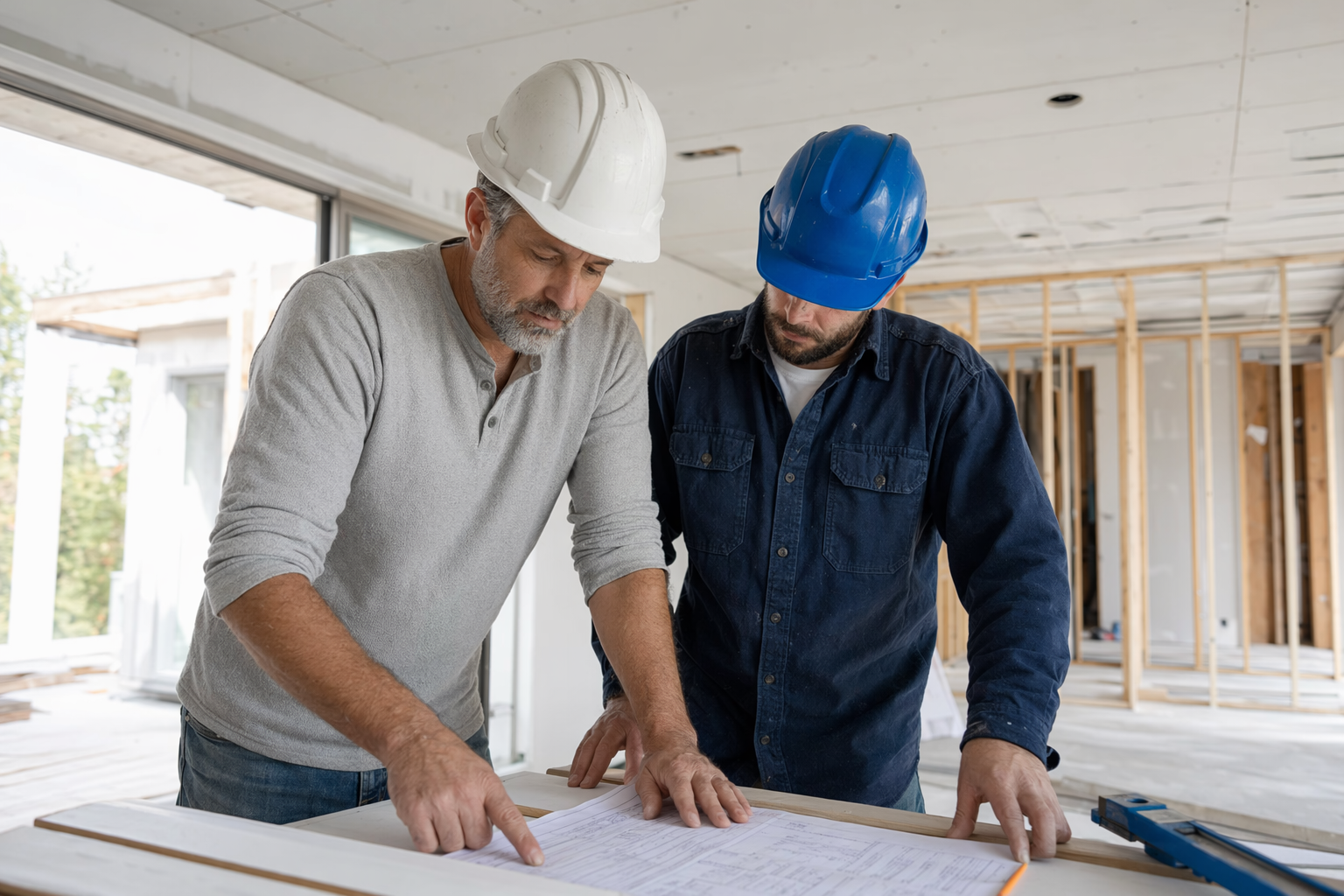
Short answer
To prepare for a contractor consultation, gather the basics before the meeting: what you want built or changed, why you want it, your target budget range, your ideal timing, and any photos, sketches, or measurements you already have. Make a short list of must-haves and nice-to-haves. Be ready to talk honestly about what matters most to you, such as more space, better layout, safer structure, or updated finishes.
You do not need a full plan set to start. In many cases, the first consultation is about fit, scope, and next steps. A licensed general contractor may help you understand whether your project needs design work, engineering, permits, structural review, or a phased approach. Mainstay Builders is a free matching service. We connect homeowners with licensed, bonded and insured general contractors, and you always choose who to speak with and who to hire.
What it means for you
A little preparation saves time and helps you compare contractors more fairly. If three contractors hear three different versions of your project, you will get three very different responses. When you explain the same goals, budget range, and priorities to each one, it becomes easier to compare their approach, communication style, licensing, and likely next steps.
Preparation also helps you avoid common mistakes. Homeowners often focus only on finishes, like countertops or flooring, when the real issue may be layout, drainage, framing, foundation movement, or outdated systems behind the walls. If your project involves structural work, additions, opening walls, rebuilding after damage, or changing the footprint of the home, expect the conversation to go beyond looks and into code, permits, site access, and sequencing.
For many families, especially first-time homeowners or people more comfortable in a language other than English, consultations can feel intimidating. That is normal. You do not need to speak like a builder. Plain language is enough. If you want a contractor who communicates clearly and respectfully, say so up front. Mainstay Builders can help you get matched with contractors who are a better fit for your project and communication needs, but you should always verify credentials yourself before signing anything.
- Write down the main problem you are trying to solve: more bedrooms, safer stairs, a legal addition, better kitchen flow, repair after water damage, or needed structural work.
- Decide what is non-negotiable and what is flexible.
- Set a realistic budget range, not a single number.
- Collect any existing plans, inspection reports, surveys, HOA rules, or permit records if you have them.
- Take photos of the current space, including problem areas.
- List questions you want answered so you do not forget them during the meeting.
How to get ready before the meeting
Start with the project story. In one or two minutes, explain what you have now, what is not working, and what you hope to change. For example: "We need to add one bedroom and a bathroom because our family has grown," or "We want to remove a wall if possible, but we do not know if it is load-bearing." That gives the contractor a clear starting point.
Next, gather documents and visuals. Bring photos from your phone, rough measurements, sketches, inspiration images, and any paperwork tied to the property. If you have an old survey, design plans, engineering letter, inspection report, or city correction notice, bring it. If you do not have those items, that is fine. Just say what you know and what you do not know.
Then think about budget and timing. Many homeowners worry that sharing a budget range will make the price go up. In reality, hiding the budget often wastes time. If your comfortable range is, for example, $80,000 to $120,000, say that. It helps the contractor explain what may be realistic in your market and whether your scope needs to grow, shrink, or happen in phases. Any numbers discussed early are estimates, not quotes or guarantees.
Finally, think through practical issues at the home. Will you live there during the project? Are there pets, parking limits, gate codes, narrow driveways, or HOA rules? Is the house occupied by relatives or tenants? These details affect planning, access, safety, and schedule.
- A one-paragraph description of the project
- Photos of the area from several angles
- Rough room measurements if you have them
- A target budget range
- Your hoped-for start window
- Any permits, plans, surveys, or inspection reports already in hand
- A short list of questions about process, licensing, permits, and next steps
How it works in practice
Most first consultations are about discovery, not final pricing. The contractor may ask what you want changed, whether the work is cosmetic or structural, how old the home is, whether you have had leaks or cracking, and whether anyone has already looked at the space. They may look at access points, ceiling height, rooflines, electrical panel capacity, foundation conditions, drainage, or nearby structures. If the project is complex, they may say that design, engineering, or further site review is needed before any reliable quote can be prepared.

This is also your chance to evaluate the contractor. Do they explain things clearly? Do they answer questions directly? Do they seem careful about permits and code instead of brushing them off? Do they talk openly about what they know, what they need to inspect further, and what could affect the budget? A good consultation should feel informative, not rushed or pushy.
If you are speaking with more than one contractor, try to give each one the same basic information. That means the same scope summary, the same photos, and the same budget range. It does not guarantee identical responses, but it gives you a fairer way to compare them.
- Ask whether the contractor is licensed in your state and for the type of work discussed.
- Ask whether they carry current bonding and insurance, including liability and workers' compensation where required.
- Ask what part of the project may need permits, design plans, or engineering.
- Ask what information they would need before giving a written estimate or proposal.
- Ask who would manage the job day to day if you move forward.
- Ask what could change the cost after work begins, such as hidden damage or code upgrades.
What costs may come up
A consultation itself may be free or may involve a site visit fee, depending on the contractor and the project. Larger or more technical jobs can also involve separate preconstruction costs for design, engineering, surveys, soil review, or permit drawings before you ever get to a final build contract. These are broad national estimates, not quotes or guarantees. Local labor rates, code requirements, site conditions, and project complexity can change costs a lot.
If a contractor gives you a very low number after only a quick look, be careful. Early numbers may leave out permit costs, structural needs, utility upgrades, demolition, disposal, or repairs hidden inside walls. It is better to hear an honest range and a clear explanation of unknowns than a low number that grows later.
What to watch for
The biggest warning sign is pressure. Be cautious if someone pushes you to sign immediately, refuses to show license or insurance information, says permits are not necessary when the project clearly affects structure or major systems, or gives a firm price without enough detail. Another red flag is vague paperwork. A real written proposal should describe scope, materials or allowances, payment terms, exclusions, and how change orders are handled.
Watch for communication problems too. If the contractor talks over you, avoids your questions, or changes the story from one call to the next, that may only get worse later. You are hiring for a major project. Clear communication matters as much as price.
Always verify before signing. Check the contractor's current state or local license status where applicable. Ask for proof of bonding and insurance. Confirm the business name matches the paperwork. Read the contract fully. If something is unclear, ask questions before you agree. Mainstay Builders can help you get matched with licensed, bonded and insured general contractors, but the final verification and hiring decision are yours.
- No license number, expired license, or unclear business identity
- No proof of insurance or bonding when asked
- Promises that sound too certain on price or timing before proper review
- Pressure to skip permits or 'do it off the books'
- Large upfront payment demands without clear written scope
- Refusal to put changes and allowances in writing
Get matched
If you are planning a new build, addition, structural repair, major renovation, or large remodel, Mainstay Builders can help you start with better conversations. Our service is free for homeowners. We connect you with licensed, bonded and insured general contractors who fit your project type and location. From there, you can compare communication, verify credentials, and choose the pro you trust.
You do not need to have every drawing ready before reaching out. A clear project summary, a few photos, and an honest budget range are enough to begin. If language access matters to your household, it is okay to say that too. We do not need sensitive personal details. We are here to help you get matched so you can move forward with more confidence and choose your own licensed professional.
Frequently asked questions
What should I bring to a contractor consultation?
Bring a short description of the project, photos, rough measurements if you have them, and any plans, surveys, permits, or inspection reports already on hand. Also bring a budget range and a list of questions. You do not need perfect documents to start, but the more consistent information you share, the easier it is to compare contractors.
Do I need architectural plans before I meet a contractor?
Not always. Many homeowners start with a consultation to understand scope and whether the project needs design plans, engineering, permits, or further site review. For larger additions, structural changes, or new builds, a licensed contractor may tell you that design or engineering is the next step before a detailed quote is possible.
Should I tell the contractor my budget?
Yes, it usually helps to share a realistic budget range instead of a single number. That gives the contractor context for what may be possible and whether the project should be adjusted or phased. Any early pricing talk is only an estimate, not a quote or guarantee.
How long does a first consultation usually take?
Many first consultations take about 30 to 90 minutes, depending on the size and complexity of the project. Some are simple site walks, while others involve detailed discussion of structure, access, permits, or damage. No one should promise a full timeline for the whole job at the first meeting without enough information.
What questions should I ask during the consultation?
Ask about licensing, bonding, insurance, permits, who will manage the job, and what information is still needed for a written estimate or proposal. You should also ask what could change the cost later, such as hidden conditions or code upgrades. A good contractor should answer clearly and explain unknowns honestly.
Can Mainstay Builders recommend the cheapest contractor?
No. Mainstay Builders is a free matching service, not a contractor, and we do not promise the lowest price or the best outcome. We help connect you with licensed, bonded and insured general contractors, and you decide who to interview, verify, and hire.
How do I verify a contractor before signing?
Check their current state or local license status where required, and ask for proof of bonding and insurance. Make sure the business name on the contract matches the license and insurance documents. Read the written scope, payment terms, exclusions, and change-order process carefully before you agree.