How to budget a build or addition
Budgeting a new build or home addition starts with one simple truth: the first number you hear is rarely the final total. A good budget leaves room for design changes, permit costs, site conditions, and surprises, and it helps you compare licensed, bonded, and insured contractors more clearly before you sign anything.
The short answer
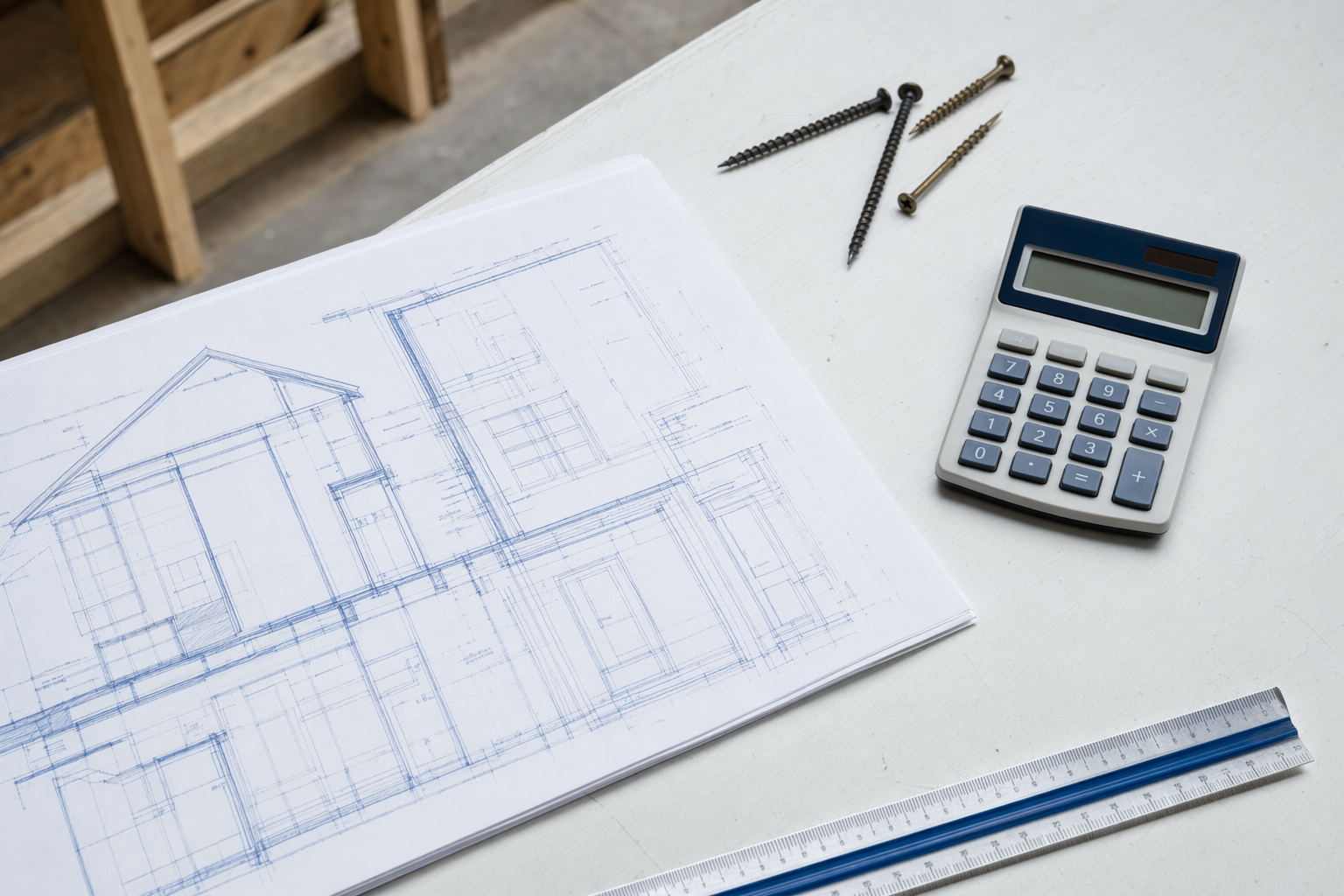
A realistic construction budget usually has more than one layer. Start with your target project cost, then add soft costs like plans, engineering, permits, and utility work, then add a contingency fund for unknowns. For many homeowners, that means setting a total budget that is about 10% to 20% higher than the basic construction number they first had in mind.
If you are planning a major addition, structural remodel, or new home build, the smartest approach is to get matched with licensed, bonded, and insured general contractors who can review your scope and explain what is included and what is not. Mainstay Builders is a free matching service. We help you connect with contractors, but you should always verify licenses, insurance, and references yourself before choosing who to hire.
Why budgeting matters for your project
A budget is not just a money problem. It shapes almost every decision in your project. Your budget affects size, layout, finishes, structural choices, permit strategy, and timeline. If the budget is too vague at the start, many homeowners end up redesigning later, cutting important work, or signing a contract they do not fully understand.
Clear budgeting also helps when you compare contractors. One contractor may include demolition, permit coordination, cleanup, and basic fixtures, while another may leave those items out. Two bids can look far apart even when they are pricing almost the same job. A working budget gives you a way to ask better questions and compare apples to apples.
This matters even more for immigrant families and households that prefer another language at home. Construction terms can be confusing in any language. You deserve plain explanations, written scope details, and enough time to review everything. Never feel rushed into signing. Ask for line items, allowances, and exclusions to be explained clearly.
Step by step: how to build a realistic budget
Start with the project itself, not with finishes. Write down exactly what you want to build. Is it a second-story addition, rear addition, ADU, major kitchen expansion, or a new single-family home? Include the rough size, number of rooms, bathrooms, structural changes, and whether you will stay in the home during work. The more specific your scope is, the more useful your budget will be.
- Step 1: Define the scope in plain language. Example: add 600 square feet with one bedroom, one bathroom, and a small family room.
- Step 2: Separate hard costs from soft costs. Hard costs are labor and materials. Soft costs include design, engineering, permits, surveys, testing, and financing fees if any.
- Step 3: Decide your priority level for finishes. Make a list of must-haves, nice-to-haves, and items you can upgrade later.
- Step 4: Add site and condition risks. Older homes, sloped lots, poor soil, hidden water damage, and electrical or plumbing upgrades can raise cost.
- Step 5: Set a contingency fund. Many homeowners use 10% for simpler projects and 15% to 20% for older homes, structural work, or bigger additions.
- Step 6: Ask each contractor what is excluded. Common exclusions include appliances, utility fees, landscaping, driveway work, window coverings, and permit-related corrections.
- Step 7: Review payment schedule terms carefully. Never rely only on a verbal estimate. Make sure the written agreement explains scope, allowances, change orders, and what happens if hidden conditions are found.
Allowances are especially important. An allowance is a placeholder amount for something you have not selected yet, such as tile, lighting, cabinets, or plumbing fixtures. If the allowance is too low, your final price can rise quickly after selections are made. Ask what quality level each allowance assumes and whether installation is included.
You should also plan for life during construction. If a major addition or structural remodel affects your kitchen, bathrooms, roof, or main living area, you may need temporary housing, storage, pet boarding, or extra childcare help. Those are real project costs, even though they are not part of the contractor's bid.
Common mistakes that throw budgets off
The biggest budgeting mistake is using a rough online price and treating it like a quote. National averages can help you start planning, but they do not know your local labor rates, permit rules, lot conditions, or structural needs. A realistic budget should be built from your actual scope and reviewed by licensed professionals.
- Choosing a contractor based only on the lowest bid without checking license, bond, insurance, and scope details.
- Forgetting soft costs such as plans, engineering, permits, surveying, testing, financing costs, and utility connection work.
- Not setting aside contingency money for hidden damage, code upgrades, or material price changes.
- Using very low allowances for finish items, then being surprised when real selections cost more.
- Changing the design after work starts. Change orders can be necessary, but they often cost more than deciding earlier.
- Assuming your home can handle the addition without electrical, HVAC, plumbing, or foundation upgrades.
- Not asking who is responsible for debris removal, inspections, cleanup, and permit follow-up.
- Signing a contract before you fully understand what is included, excluded, and estimated.
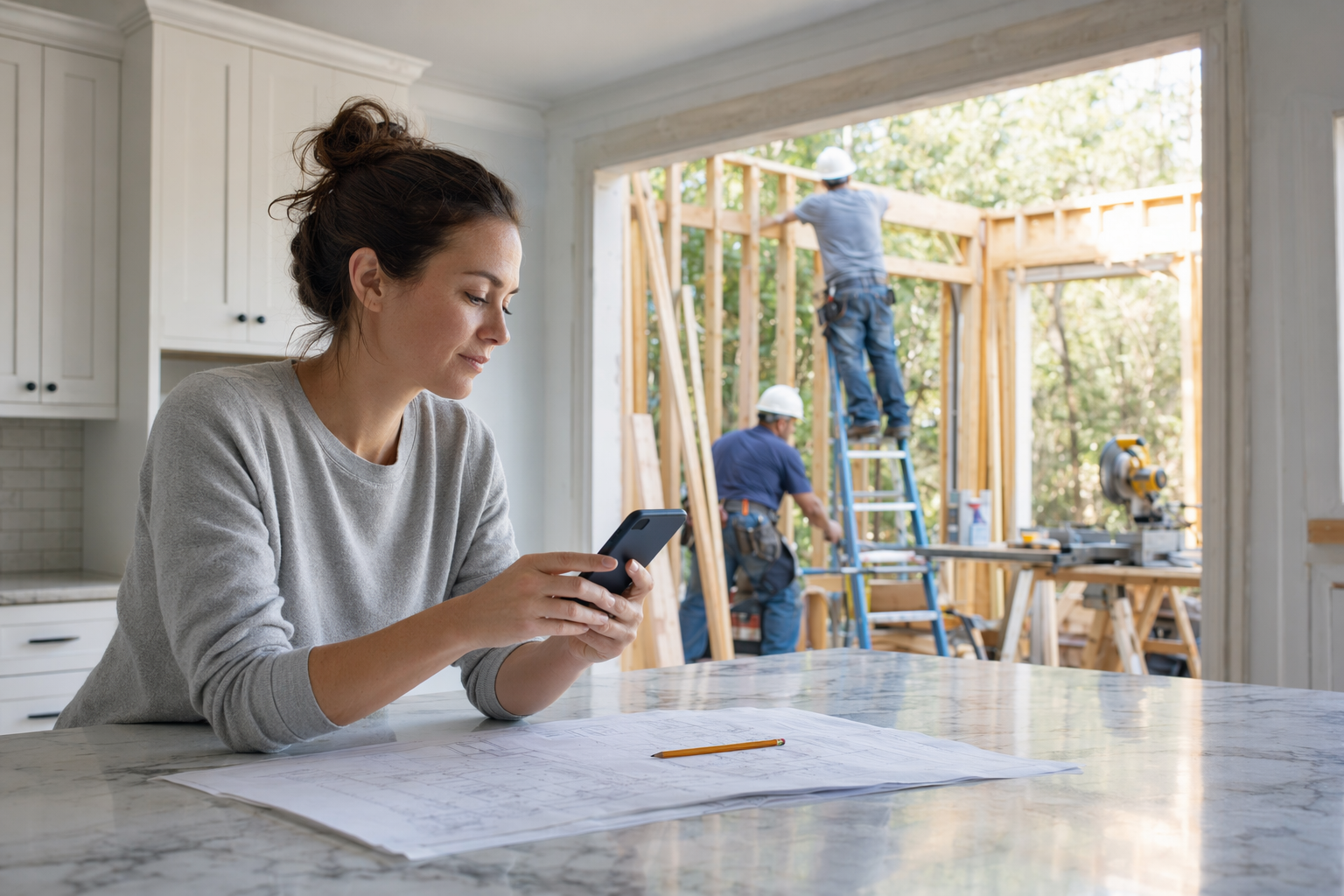
Another common problem is mixing financing limits with construction reality. It is fine to start with a number you are comfortable spending. But if your wish list does not fit that number, the best move is usually to reduce scope, simplify the shape, or phase some finish upgrades later. It is usually harder and more expensive to force a project into an unrealistic budget than to right-size the project early.
Honest cost notes
These broad national ranges are estimates, not quotes or guarantees. Actual costs vary by region, design complexity, structural needs, materials, site access, and permit requirements. Use these numbers for early planning only, then compare written estimates from licensed, bonded, and insured contractors.
Large additions often cost more per square foot than homeowners expect when they involve kitchens, bathrooms, structural steel, roof changes, or difficult tie-ins to the existing house. New builds may offer more control in some ways, but they can also bring land prep, utility trenching, drainage work, impact fees, or design review costs that do not show up in simple online calculators.
Remodels and additions in older homes can be especially unpredictable. Once walls or foundations are opened, contractors may find outdated wiring, plumbing problems, rot, insect damage, or framing that needs correction to meet current code. That does not mean your project is a bad idea. It means your budget should leave room for reality.
Honest time notes
Time affects budget more than many people realize. The longer a project takes, the more chances there are for schedule pressure, temporary living costs, weather delays, permit review back-and-forth, or material lead time issues. That is why a smart budget includes some flexibility, not just for money but for timing.
There is no reliable national promise for how long your project will take. Design, engineering, permit review, contractor availability, inspections, and utility coordination vary widely from place to place. Even when a contractor gives you a projected schedule, treat it as a working estimate, not a guarantee. Ask what could delay the project and how change orders or hidden conditions are handled if they affect timing.
- Ask when the contractor can realistically start, not just how long construction might take.
- Ask whether permit approval is included in the expected timeline or treated separately.
- Ask about long-lead items such as windows, custom doors, electrical gear, cabinets, or specialty finishes.
- Ask how weather, inspection delays, and owner changes are handled in the written contract.
Your next step
If you are early in the process, your goal is not to guess the perfect number. Your goal is to get clear enough on scope and total budget range that you can have useful conversations with contractors. Write down what you want, what you can spend comfortably, and what tradeoffs you are willing to make if estimates come in high.
Mainstay Builders is a free service that matches homeowners with licensed, bonded, and insured general contractors for new builds, additions, structural work, and major renovations. We do not build, design, engineer, or give professional advice. We help you connect with contractors so you can compare options, ask questions in plain language, and choose your own pro.
Before signing with anyone, verify the contractor's license status, bond, insurance, and local standing yourself. Ask for a detailed written scope, payment schedule, allowance list, and change-order process. If English is not your first language, ask for explanations in the language you are most comfortable using whenever possible. You should understand every line before you agree.
Frequently asked questions
How much contingency should I add to my budget?
A common planning range is 10% for simpler projects and 15% to 20% for older homes, structural work, or more complex additions. That is not a rule or guarantee, just a broad planning guide. The right amount depends on your home's condition, project complexity, and how complete your plans are before pricing.
Can I use cost per square foot to budget my project?
Yes, but only for very early planning. Cost per square foot can help you understand rough scale, but it does not capture layout complexity, site access, utility work, structural changes, or finish level very well. Always compare written estimates from licensed, bonded, and insured contractors before making decisions.
Why are two contractor estimates sometimes so different?
They may not be pricing the same scope, quality level, or assumptions. One estimate may include permits, demolition, cleanup, and realistic allowances, while another may exclude them or use lower placeholders. Ask each contractor to explain inclusions, exclusions, and allowances line by line.
Should I choose the cheapest bid if my budget is tight?
Not automatically. A low bid can be a fair price, but it can also mean missing scope, low allowances, weak documentation, or pressure for change orders later. Check license, bond, insurance, references, and contract details before choosing.
Do I need a budget before talking to contractors?
Yes, at least a rough total range. You do not need a perfect number, but contractors can guide you better if they know your goals and your comfort level. A realistic budget helps everyone discuss scope, priorities, and tradeoffs early.
Can Mainstay Builders tell me what my project will cost?
No. Mainstay Builders is a free matching service, not a contractor, architect, engineer, or licensed building professional. We can help you get connected with licensed, bonded, and insured contractors, but actual pricing should come from the professionals you choose to consult and verify.