What does a home addition cost
Home addition costs vary a lot because size, structure, location, and finishes all matter. A small bump-out may start in the tens of thousands, while a full second story or large suite can reach well into six figures, so treat any number here as a national estimate, not a quote or guarantee.
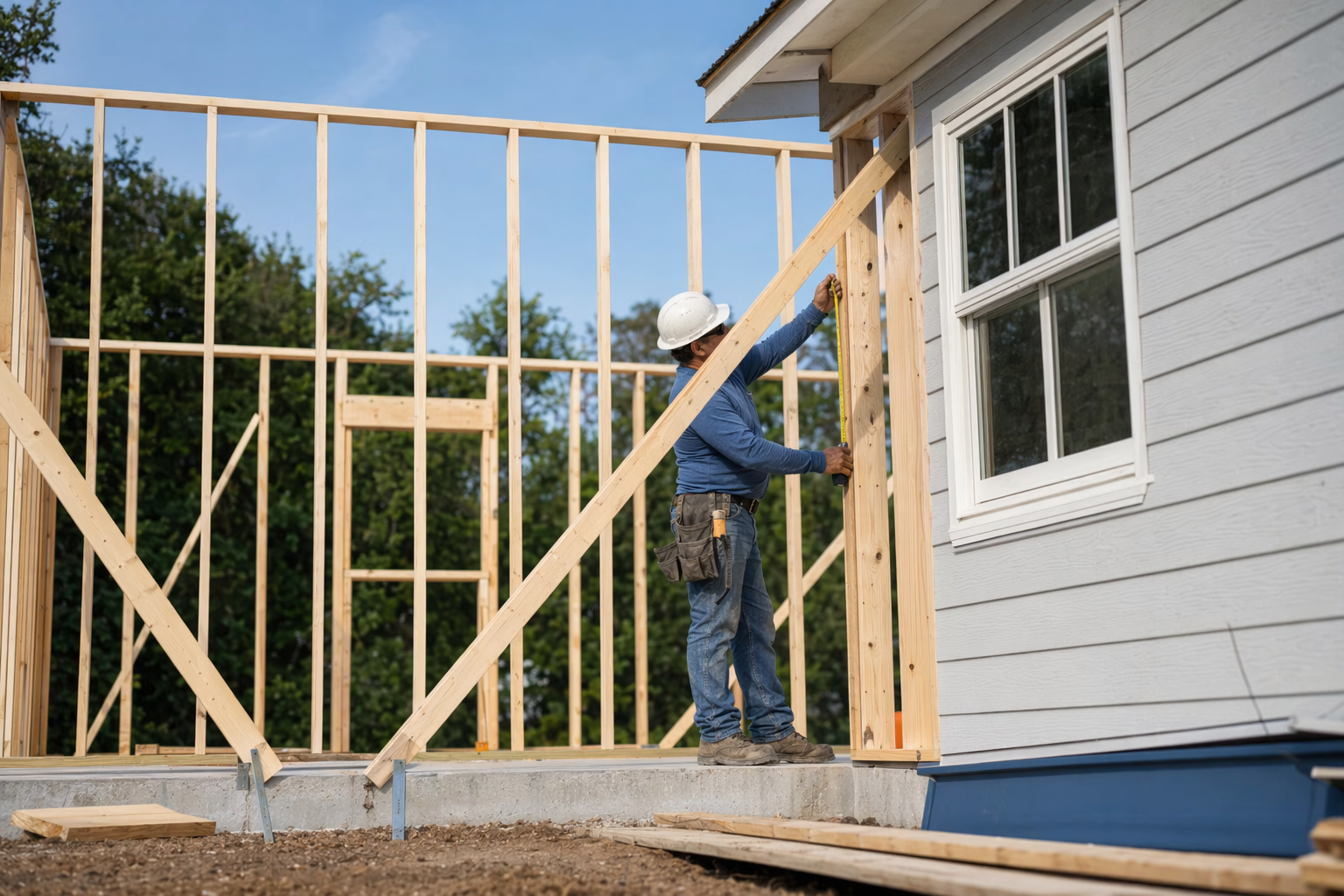
Short answer
A home addition often costs about $150 to $400 per square foot nationwide, but the real number can land below or above that range depending on the kind of work involved. Simple additions that tie into existing systems may cost less. Additions that need major foundation work, structural changes, custom roofing, plumbing, HVAC, or high-end finishes usually cost more.
For many homeowners, a basic room addition may fall around $40,000 to $120,000. A primary suite, garage conversion with structural work, or larger multi-room addition may run $80,000 to $250,000 or more. A second-story addition can be one of the most expensive options because it often requires major structural reinforcement, new stairs, roofing changes, and more disruption to the existing house.
What changes the price
The biggest cost driver is not just square footage. It is the type of space you are adding and how hard it is to connect that new space to your current home. A bedroom or family room without much plumbing is usually simpler than a bathroom, kitchen expansion, or in-law suite. Once you add plumbing lines, drains, gas work, electrical upgrades, ventilation, or heavy structural changes, the budget can rise quickly.
Site conditions matter too. Sloped lots, poor soil, flood zones, older homes, hard-to-match exterior materials, and homes with outdated electrical panels or undersized HVAC systems can all increase cost. Local permit requirements, code updates, and labor rates also vary by market. In some areas, the permit and inspection process is straightforward. In others, it is slower, more detailed, and more expensive.
- Size: bigger additions usually cost more overall, but not always less per square foot.
- Type of space: bathrooms, kitchens, laundry rooms, and suites usually cost more than simple living space.
- Structure: removing walls, changing rooflines, or adding a second story increases complexity.
- Foundation: slab, crawl space, and basement tie-ins all have different costs.
- Mechanical systems: electrical, plumbing, sewer, HVAC, and water heater upgrades can add thousands.
- Finishes: flooring, windows, cabinets, tile, fixtures, and trim can swing the price a lot.
- Permits and design: plans, engineering, surveys, and permit fees are often separate budget items.
- Location: labor and material prices vary widely across the U.S.
What it means for you
If you are trying to set a realistic budget, start with the type of addition first, then square footage second. Homeowners often focus on the cost per square foot because it is easy to compare, but that can be misleading. Two additions with the same size can have very different prices if one includes a bathroom, custom windows, a complicated roof tie-in, or major structural reinforcement.
It also helps to separate your budget into hard costs and soft costs. Hard costs are the actual construction items like foundation, framing, roofing, electrical, plumbing, drywall, flooring, and finishes. Soft costs can include design plans, engineering, permits, utility work, debris hauling, temporary living costs, and financing fees. Many homeowners forget these soft costs at the start and feel surprised later.
A smart approach is to plan for the project you want, then compare it to the project your budget supports. You may decide to reduce square footage, simplify the roofline, keep the new space near existing plumbing, choose standard windows, or phase finish upgrades later. Those choices can help bring a project back into range without giving up the main goal of creating more usable space.
How it works in practice
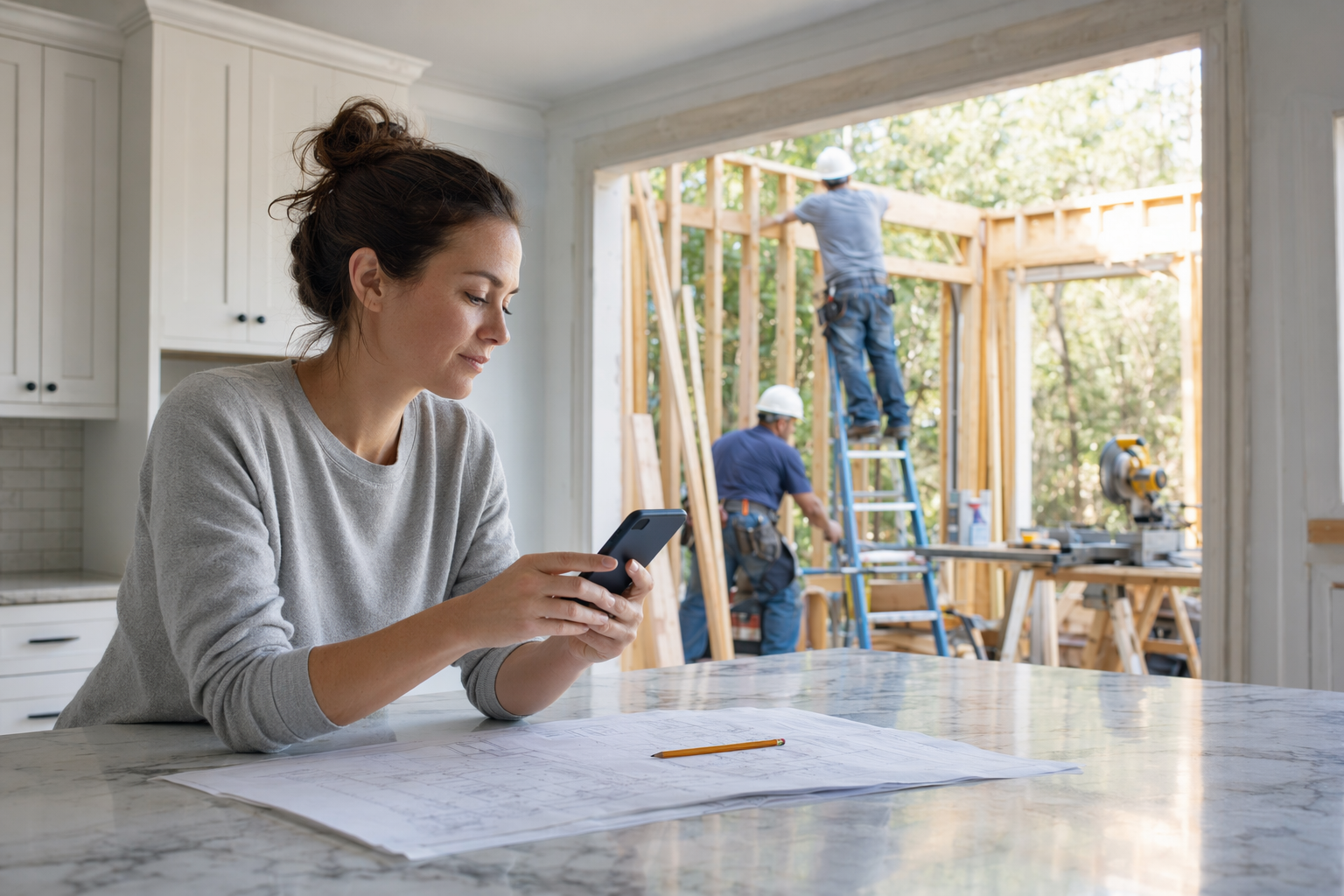
Most home additions move through a few common stages. First comes the idea stage: what space do you need, how much can you spend, and what does your lot and local zoning allow. Then comes planning: basic measurements, concept drawings, and sometimes engineering if structural work is involved. After that, homeowners usually compare bids from licensed general contractors, review timelines, and confirm what is included before permits and construction begin.
In real life, cost discussions often become clearer once a contractor sees the house. For example, a rear room addition may sound simple online, but the price can change if the existing foundation is uneven, the roof framing is unusual, the electrical panel is full, or the sewer line needs work. That is why online research is useful for rough budgeting, but not enough for a final decision.
Here are broad examples of how homeowners often think about additions. A small bump-out for a breakfast area or expanded bathroom may cost much less than a full attached suite because it adds fewer square feet and may use part of the existing structure. A new bedroom with a closet is often more straightforward than a bedroom plus bath. A second-story addition may seem efficient because it preserves yard space, but it can be one of the costliest paths because of framing, access, stairs, and reinforcement below.
- Bump-out or small expansion: often the lowest-cost way to gain a little space, but still can be expensive if plumbing or structure is involved.
- Single room addition: common for bedrooms, offices, or family rooms; usually simpler than adding wet rooms.
- Primary suite addition: often costs more because it may include a bathroom, larger windows, storage, and more finish work.
- Kitchen expansion: can get expensive fast due to plumbing, electrical, ventilation, cabinets, counters, and appliances.
- Second-story addition: often the most complex choice because the existing house may need structural upgrades.
What to watch for
The lowest bid is not always the best value. Some bids look lower because important items are missing or vague. If one contractor includes permits, demolition, debris hauling, drywall finish, painting, flooring, fixtures, and cleanup, and another does not, those prices are not equal. Ask for a detailed written scope so you can compare apples to apples.
You should also watch for allowances. An allowance is a placeholder amount for something not selected yet, like tile, lighting, cabinets, or plumbing fixtures. Allowances are normal, but if they are unrealistically low, your final cost can rise later. It is better to know early whether the budget assumes builder-grade materials or something more custom.
Another risk is hiring someone who is not properly licensed or insured for the work. A home addition is major construction. It can involve structural changes, weatherproofing, life-safety systems, and permits. Always verify the contractor's license status in your state, ask for proof of insurance and bond coverage if applicable, and confirm who is pulling permits. Read the payment schedule carefully and never rely only on verbal promises.
- A bid that is much lower than the others without a clear reason.
- Missing line items for permits, cleanup, site prep, or finish work.
- Very small allowances for cabinets, tile, fixtures, or flooring.
- Pressure to sign fast or pay a large amount up front.
- No proof of license, bond, or insurance.
- No written change-order process for extra work.
- No clear timeline, payment schedule, or description of what is included.
Get matched
If you are planning a home addition, the best next step is to talk with licensed general contractors who can assess your actual house, not just a rough idea online. Mainstay Builders helps homeowners get matched with contractors who handle new builds, additions, structural work, and major renovations. Our service is free to homeowners.
You can share the basics of your project, your location, and the kind of space you want to add. We do not need sensitive personal information like immigration status, ID numbers, or SSNs. Once matched, you can compare experience, communication style, scope details, and budget expectations. Before signing, always verify that the contractor is licensed, bonded and insured, and review the written estimate and contract carefully.
A good match can save time and help you avoid chasing unqualified leads. It also gives you a better chance of getting realistic feedback early, including whether your budget aligns with your goals, what trade-offs may help, and what questions to ask before moving forward. The final choice is always yours.
Frequently asked questions
How much does a 20x20 home addition cost?
A 20x20 addition is 400 square feet, so a broad national estimate might be roughly $60,000 to $160,000 or more, depending on the type of room, structure, systems, and finishes. A simple living space may cost less than a suite with a bathroom or kitchen features. Treat that as a starting point only, not a quote or guarantee.
Is it cheaper to build up or build out?
It depends on the house and lot, but building out is often simpler while building up can be more structurally demanding. A second story may save yard space, but it often costs more because of reinforcement, stairs, roofing changes, and disruption to the existing home. A licensed, bonded and insured contractor can evaluate which option fits your property.
What is the cheapest kind of home addition?
A small bump-out or a basic room without plumbing is often one of the lower-cost options. But even a small addition can get expensive if it needs foundation work, structural changes, custom windows, or major electrical upgrades. The cheapest path depends on your layout, lot, and local code requirements.
Do home additions cost less per square foot than new construction?
Not always. Additions can cost as much as or more per square foot because they must tie into an existing structure and existing systems. Matching roofs, siding, floors, and utilities can add complexity that does not show up in a simple square-foot comparison.
Should I expect extra costs after construction starts?
Possibly, yes. Hidden conditions inside walls, below floors, or under the house can appear after work begins, especially in older homes. That is why it is smart to keep a contingency in your budget and make sure your contract explains how change orders will be handled.
How do I compare contractor bids for an addition?
Look at the written scope, not just the bottom-line number. Check whether permits, demolition, cleanup, finish work, allowances, and utility upgrades are included. Always verify that each contractor is licensed, bonded and insured before you decide.
Can Mainstay Builders give me a quote for my addition?
No. Mainstay Builders is a free matching service, not a contractor or licensed building professional. We help connect you with licensed, bonded and insured general contractors who can review your project and provide their own estimates or quotes.