What questions will a contractor ask me
Most contractors will ask clear, practical questions so they can understand your project, spot possible issues, and decide whether they are a good fit. The goal is not to pressure you. It is to gather enough detail to give you a rough scope, explain next steps, and help you compare licensed, bonded and insured pros before you sign anything.
Short answer
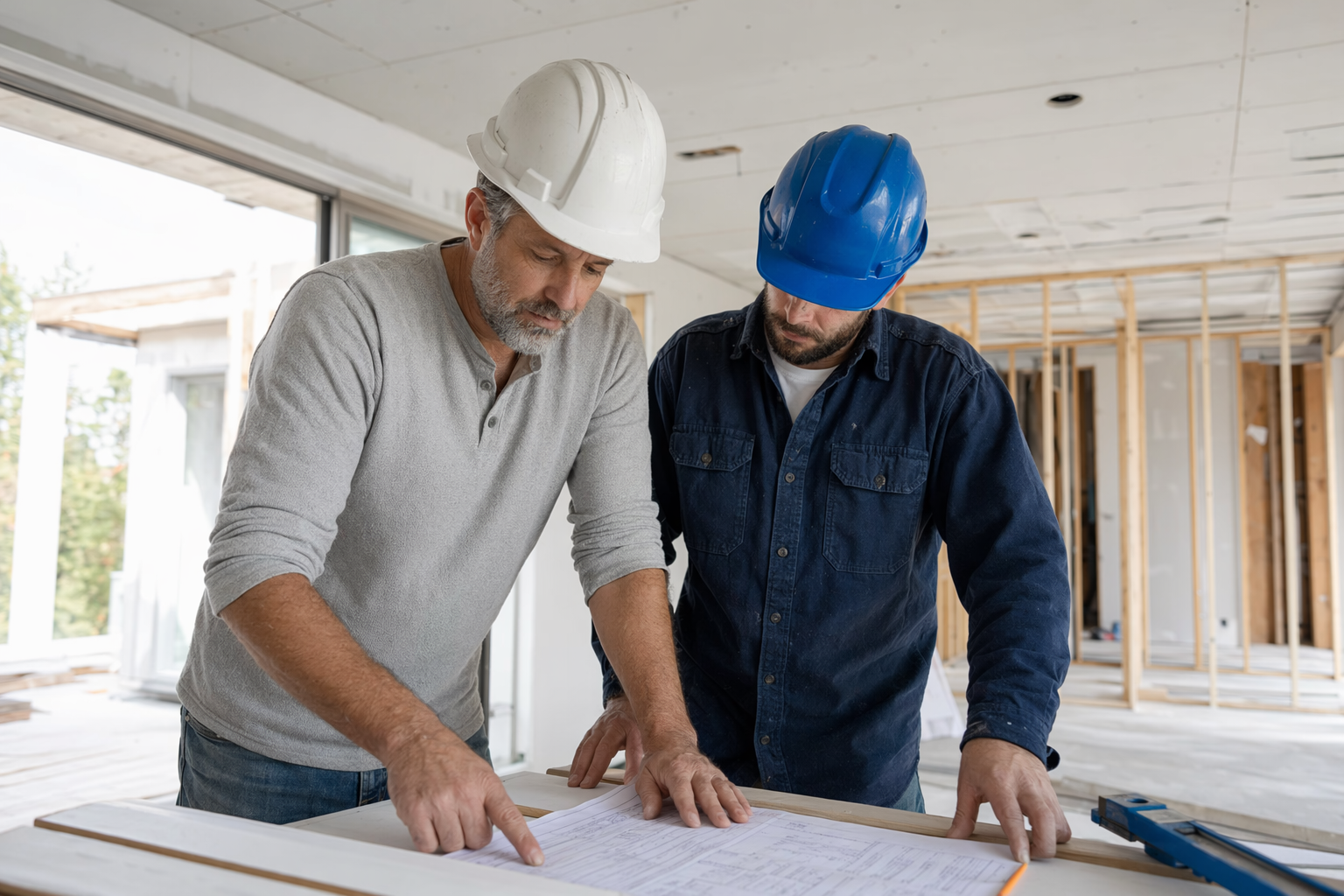
A contractor will usually ask about the type of work you want, where the project is located, your budget range, your hoped-for timeline, and whether you already have plans or permits. They may also ask about the age and condition of the home, who will make decisions, and whether you plan to live in the home during construction.
These are normal questions for new builds, additions, structural work, and major renovations. A good contractor is trying to understand the size of the job, the level of risk, and whether your expectations match real-world costs and schedules. Their questions should feel specific and professional, not vague or pushy.
You do not need to have every answer ready. It is fine to say, "I am still deciding," or "I need help understanding my options." A licensed, bonded and insured contractor should be able to explain the process in plain language. You should still verify their credentials, insurance, and references before choosing who to hire.
What contractors usually want to know
Most first conversations follow the same pattern. The contractor is trying to learn what you want built, whether the property and budget make sense for that plan, and what level of design and permitting work is still needed. The more complex the project, the more questions they will ask.
- What kind of project is this: a new home, room addition, structural repair, whole-home remodel, kitchen renovation, garage conversion, or something else?
- What is the property address or city, and what type of home is it?
- How old is the home, and have there been past renovations, damage, or foundation issues?
- What exactly do you want changed, added, removed, or repaired?
- Do you already have plans, drawings, engineering, or design ideas?
- Have permits been pulled yet, or are you still at the planning stage?
- What budget range are you considering?
- When would you like to start, and is that date flexible?
- Will you be living in the home during construction?
- Who will be making final decisions and signing the contract?
Some contractors will also ask for photos, measurements, or a copy of any existing plans before scheduling a site visit. That is common and often helpful. It can save time and help the contractor tell you whether the project sounds realistic before anyone spends hours on meetings.
For structural jobs, expect more detailed questions. They may ask about cracks, sloping floors, water intrusion, roof sagging, or previous repair attempts. For additions and new builds, they may ask about lot size, setbacks, utility access, and whether the site has access issues for equipment or deliveries.
What it means for you
These questions are not just for the contractor. They help you get clearer too. If you can answer a few basic items, you are more likely to get useful responses instead of vague promises. You do not need perfect plans, but having a rough idea of your goals can lead to better conversations.
Start with the basics: what problem you are trying to solve, what spaces matter most, and what you can realistically spend. For example, "We need one more bedroom and a second bathroom," is more useful than, "We want to make the house nicer." If the issue is structural, describe the symptoms clearly and say when you first noticed them.
It also helps to separate must-haves from nice-to-haves. A contractor may ask this directly because tradeoffs are common. If your budget does not support every idea, you may need to choose between square footage, finishes, or extra features. Honest answers early can save you from wasted bids later.
If English is not your first language, it is okay to ask for slower explanations, written summaries, or a family member to join the conversation. You should feel comfortable understanding the scope, payment terms, permits, and change-order process before agreeing to anything. Mainstay Builders can help connect homeowners with licensed general contractors who are a fit for the project, but you should always verify credentials yourself before you choose.
How it works in practice
In many cases, the first contact is a short phone call, text exchange, or online form. The contractor or office staff gathers basics: the project type, city, rough size, and timeline. If it sounds like a possible fit, the next step is often a site visit or a request for plans and photos.
At the site visit, the questions usually get more specific. The contractor may measure rooms, look at the foundation or attic, check access points, and ask about plumbing, electrical, or load-bearing walls. If your home is older, they may talk about hidden conditions that can affect cost, such as outdated wiring, water damage, asbestos risk, or unpermitted past work.
For major jobs, the contractor may not be ready to give a firm price on the spot. That is normal. A responsible contractor often needs time to review plans, talk with trade partners, estimate labor and materials, and account for permit or inspection steps. For design-build or preconstruction-heavy projects, there may be a separate planning phase before a full construction contract.
You may also be asked questions that feel financial, such as whether you are paying cash, using a construction loan, or still exploring financing. That is generally about project readiness, not judgment. It helps the contractor understand whether the scope and schedule discussion should move forward now or later.
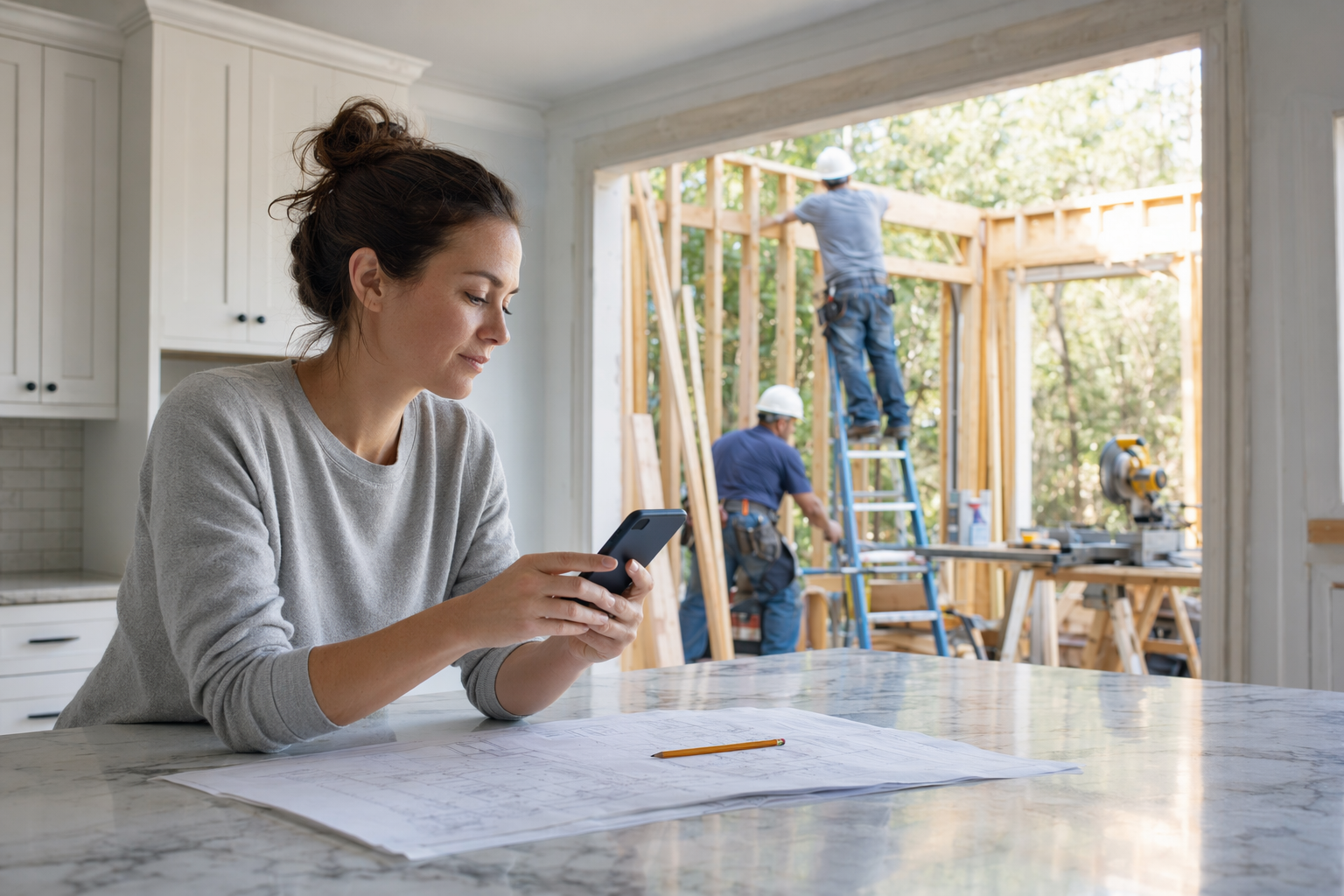
If you are comparing multiple contractors, expect each one to ask a slightly different set of questions. That does not automatically make one better than another. What matters is whether they understand your goals, explain unknowns honestly, and provide a clear written proposal or contract if you decide to move ahead.
Questions you should be ready to ask back
The interview goes both ways. Homeowners sometimes focus so much on answering questions that they forget to ask their own. That can lead to confusion later about permits, supervision, scheduling, and payment.
- Are you licensed for this type of work in my state or local area?
- Are you bonded and insured, and can you provide proof?
- Who will supervise the project day to day?
- Will you use subcontractors, and are they properly licensed and insured where required?
- Who handles permits, inspections, and code compliance?
- What is included in the written scope, and what is not included?
- How do you handle changes after work starts?
- What payment schedule do you use, and what milestones trigger payments?
- What kind of timeline estimate do you expect, and what could affect it?
- Can you share recent references for projects similar to mine?
These questions matter because many homeowner disputes start with assumptions. One side thinks permits are included. The other thinks they are not. One side expects daily crews. The other schedules work in phases. Clear questions now reduce surprises later.
Ask for answers in writing whenever possible. A verbal promise is easy to forget and hard to enforce. Before signing, review the scope, allowances, exclusions, payment schedule, warranty language, and process for change orders. If something is unclear, ask again until it makes sense.
What to watch for
Most contractor questions are routine, but a few situations should make you pause. Be careful if someone gives a very low number after only a quick glance, avoids talking about permits, or says licensing and insurance are not important. Those are warning signs, especially for structural work, additions, or large remodels.
- They refuse to share license, bond, or insurance information.
- They pressure you to sign immediately or claim a price is only good for a few hours.
- They ask for a very large cash payment upfront without a clear written contract.
- They avoid details about scope, materials, or who is actually doing the work.
- They promise no permit is needed before reviewing local requirements.
- They seem irritated when you ask about references, change orders, or payment milestones.
- They say they can give an exact price before seeing the property or reviewing plans for a complex job.
It is also worth watching for communication problems. If a contractor is hard to reach before the job starts, things may not improve later. You do not need perfect chemistry, but you do need basic clarity and responsiveness. Large projects involve many decisions, so communication style matters.
Another common issue is false certainty. Construction has unknowns. A trustworthy contractor should be willing to say, "We need to inspect further," or, "That may change once walls are opened." Honest uncertainty is better than overconfidence.
How budget questions usually come up
Many homeowners feel nervous when a contractor asks for a budget. That is understandable. You may worry that sharing a number means the price will automatically rise. In practice, a budget question is often a basic fit check. It helps the contractor tell you whether your goals match likely costs in your area.
Try to think in ranges, not exact numbers. If you truly do not know, say that and ask what projects like yours often cost nationally and locally. Keep in mind that any early figures are only estimates, not quotes or guarantees. Final pricing usually depends on plans, site conditions, material choices, permits, labor, and hidden conditions found during work.
These are broad U.S. estimates, not quotes or guarantees. Costs can be much higher or lower depending on region, design, site difficulty, structural needs, and finish level. That is exactly why contractors ask questions first. Without details, any price you hear is only a rough starting point.
Get matched with licensed contractors
If you are not sure where to start, Mainstay Builders can help you get matched with licensed, bonded and insured general contractors for new builds, additions, structural work, and major renovations. We are a free matching service for U.S. homeowners. We do not perform construction work, and we are not a licensed building professional.
You can share the basics of your project in plain language. You do not need perfect plans or technical terms. We help connect you with contractors who fit the type of job you are planning, so you can compare conversations, ask better questions, and choose your own pro.
If language support matters to your household, that is okay to mention as a communication preference. Many families want a contractor who explains things clearly and respectfully. No matter who you speak with, always verify licensing, bonding, insurance, scope, and payment terms before signing a contract.
Frequently asked questions
Why does a contractor ask about my budget so early?
Usually, it is a fit question. They are trying to see whether your goals align with likely real-world costs and whether it makes sense to keep moving forward. A budget discussion should lead to clearer options, not pressure, and any early numbers are estimates, not quotes or guarantees.
Do I need plans before talking to a contractor?
Not always. For some projects, you can start with photos, rough measurements, and a clear description of what you want. For larger or more complex jobs, detailed pricing often requires plans, engineering, or more site review before a contractor can give a reliable proposal.
Is it normal for a contractor to ask if I will live in the house during construction?
Yes. That affects scheduling, safety planning, dust control, utility interruptions, and access to work areas. It can also change how the project is phased and how long certain parts may take.
What if I do not know the right terms for my project?
That is fine. You can describe the problem or goal in simple words, such as needing more space, fixing cracks, or updating an old layout. A good licensed contractor should be able to ask follow-up questions and explain options in plain language.
Should I be worried if a contractor does not ask many questions?
For a small job, a short conversation may be enough. For a major renovation, addition, structural repair, or new build, too few questions can be a red flag because good pricing and planning depend on details. Be cautious if someone gives strong promises without understanding the property, scope, permits, or conditions.
Can Mainstay Builders tell me which contractor is best?
We can help match you with contractors who fit your project type, but we do not choose for you and we do not perform the work. You should compare your options, verify license, bond, and insurance information, review the contract carefully, and decide which licensed pro you want to hire.