Twa of, yon bon chwa
A family planned a major renovation and thought the lowest bid would save money. After comparing three very different proposals from licensed, bonded, and insured contractors, they saw that the cheapest number was not the safest or smartest choice.
The situation
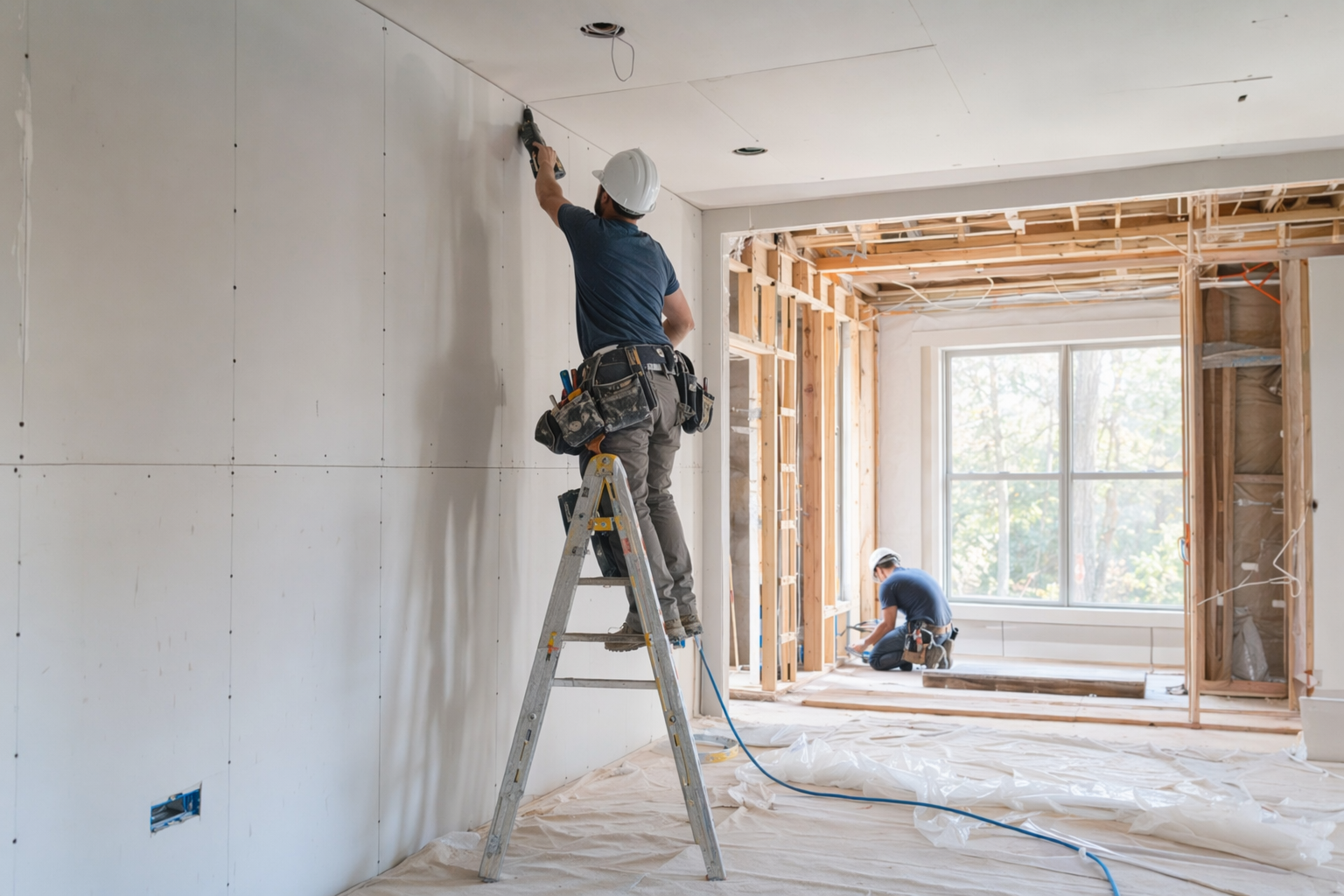
Sa a se yon istwa reyèl ki anonimize, ki swiv modèl moun yo souvan itilize lè yo pote pwojè renovasyon bay Mainstay Builders. Yon fanmi te achte yon kay ki te fin vye granmoun epi ki te bezwen plis pase chanjman kosmetik. Yo te vle reòganize layout la, louvri yon pati nan etaj prensipal la, mete ajou ansyen sistèm yo, epi kreye espas pou yon fanmi k ap grandi. Yo te gen yon bidjè, men yo pa t gen eksperyans konstriksyon. Menm jan ak anpil pwopriyetè kay, yo te kòmanse ak yon sèl kestyon: "Konbyen sa ap koute?"
The first numbers they heard were all over the map. One contractor gave a very low estimate after a quick walk-through. Another sent a long proposal with allowances, exclusions, and permit language the family did not fully understand. A third asked more questions about structure, utility upgrades, and city approvals before putting anything in writing. At first, the higher bid looked like the problem. Later, it looked like the warning label they almost ignored.
Sa yo te vle
The family did not want a luxury showpiece. They wanted a practical, durable renovation they could afford and live with for years. Their wish list was common: open up a cramped kitchen and dining area, improve storage, update worn finishes, address uneven floors, and create one additional bedroom. They also hoped to fix an old electrical panel and replace aging plumbing where needed.
On paper, it sounded simple enough. In reality, older homes often hide expensive issues behind walls and under floors. When a project includes layout changes, possible load-bearing walls, permit work, electrical updates, plumbing changes, or foundation concerns, the true scope matters more than the opening number on page one. A bid that skips those questions can look attractive at first and become expensive later through change orders, delays, or unfinished details.
- Yo te vle yon sèl scope travay ki klè, yo ta ka konpare li nan tout òf yo.
- They wanted to understand what was included and what was not.
- They wanted a contractor who could handle permits and major renovation coordination.
- Yo te vle evite depans sipriz otank posib.
- They needed clear communication in plain language, not confusing construction terms.
How matching helped
Apre yo te fin lite pou yo konpare òf ki pa t konsistan, yo te itilize Mainstay Builders pou yo jwenn matching ak kontraktè ki regilyèman fè gwo renovasyon. Valè a pa t majik, epi se pa t yon pri ki garanti pi ba. Valè a se te estrikti. Lè fanmi an te diskite objektif pwojè a ak langaj ki senp, yo te pi byen prepare pou poze chak kontraktè menm kestyon yo epi pou konpare menm kategori yo.
That changed everything. Instead of asking only for a bottom-line number, they asked for detail. Was demolition included? Were permits included or separate? Who was responsible for debris removal? Were finish materials priced as allowances, and if so, at what level? Was there any note about possible structural engineering if a wall turned out to be load-bearing? Did the contractor carry current liability insurance and workers' compensation coverage? Was the company licensed for this type of work in their area?
Once they lined up the bids side by side, the low bid was no longer really the low bid. It had left out permit fees, had a very small allowance for fixtures and finishes, did not clearly include electrical panel work, and had vague language around structural changes. The middle bid was more complete but still had large open questions. The highest bid was not perfect, but it was the clearest. It broke the work into phases, explained allowances, flagged likely risks in an older home, and showed proof of license and insurance up front.
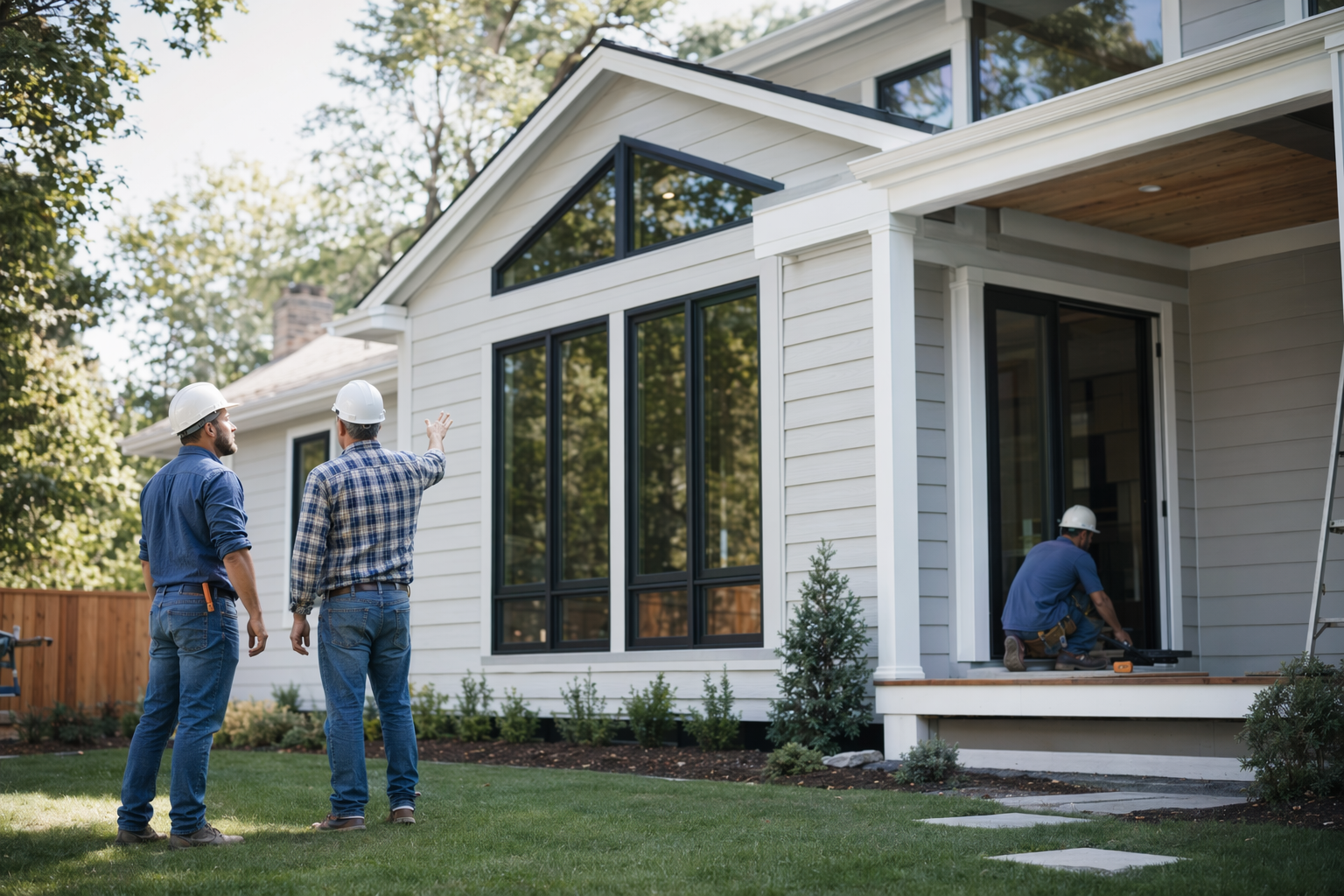
These figures are estimates, not quotes or guarantees. Actual costs vary by location, home condition, permit requirements, materials, and labor market. The family's biggest lesson at this stage was simple: a lower starting bid can become a higher final bill if key work is missing from the scope.
Sa yo aprann nan twa òf yo
The family did not choose the cheapest bid. They also did not choose based on personality alone. They chose the contractor whose proposal made the project easiest to understand and hardest to misunderstand. That meant the contractor had defined the scope, identified assumptions, explained allowances, and discussed permit and inspection steps clearly.
- Yon òf kout pa toujou vle di yon òf senp. Li ka jis manke enfòmasyon.
- Alowans yo enpòtan. Yon alowans ki ba ka fè yon òf parèt pi bon mache pase sa l ap ye an reyalite.
- Older homes carry risk. Honest contractors say that early instead of hiding it.
- Lisans, bond, ak asirans pa opsyonèl pou gwo travay. Verifye yo tèt ou anvan ou siyen.
- Bon kestyon yo ka pwoteje bidjè ou pi byen pase kouri dèyè nimewo ki pi ba a.
They also learned that communication style matters, especially for families who want extra clarity or prefer simpler English. The contractor they chose took time to explain what was known, what was unknown, and what decisions would affect cost later. That did not remove risk, but it reduced confusion. For many homeowners, that alone can prevent expensive mistakes.
Poukisa bon chwa a pa t sèlman sou pri
A renovation budget is not only about the contract amount. It is about the chance of rework, the quality of planning, the number of unresolved assumptions, and the odds of getting hit with preventable extras. The family came in focused on the opening bid. They ended up focused on scope control. That shift likely saved them money, stress, and schedule problems, even though no contractor could promise a perfect process.
This is where many homeowners get stuck. One bid looks affordable. Another looks expensive. But if the affordable one excludes real project needs, the comparison is false. A better method is to compare complete scope, contractor qualifications, documented insurance, references, permit responsibility, payment schedule, and how change orders will be handled. A smart choice is the one you can understand clearly enough to evaluate.
Honest takeaway
Comparing three bids did not guarantee a perfect renovation or the lowest possible final cost. It gave this family something more useful: a clearer picture of risk. They saw which proposals were thorough, which were vague, and which questions still needed answers before anyone signed a contract. That clarity helped them make a more confident decision.
Si w ap planifye yon nouvo konstriksyon, yon agrandisman lakay, yon pwojè estriktirèl, oswa yon gwo renovasyon, pa jije òf yo sèlman sou total la. Jwenn matching ak kontraktè ki gen lisans, ki gen bond, epi ki gen asirans. Poze menm kestyon yo chak fwa. Li scope a ak anpil atansyon. Verifye kalifikasyon yo (credentials) ou menm. E sonje: pi bon òf la se souvan youn ki di verite a sou travay la.
Kesyon yo poze souvan
Poukisa mwen ta dwe jwenn twa òf pou yon gwo renovasyon?
Twa òf ka ede w konpare scope a, pa sèlman pri a. Si pwopozisyon yo detaye, ou ka remake travay ki manke, alowans ki fèb, ak responsablite pèmi ki pa klè. Sa pa garanti pi bon rezilta a, men sa nòmalman ba ou yon baz pi bon pou chwazi pwòp kontraktè ou ki gen lisans, bond, epi asirans.
Èske òf ki pi ba a anjeneral se pi bon deal la?
Not always. A low bid may leave out important items, use unrealistic allowances, or assume fewer repairs than the home actually needs. Always review what is included, what is excluded, and how change orders will be priced before signing.
Kisa mwen ta dwe mande chak kontraktè pou m ka konpare òf yo yon fason jis?
Ask for a written scope of work, permit responsibility, estimated allowances, payment schedule, cleanup terms, projected exclusions, and how changes will be handled. Also ask for license and insurance information and verify it yourself. Using the same questions for every bidder makes comparisons much easier.
Can Mainstay Builders tell me which bid to choose?
Non. Mainstay Builders se yon sèvis matching gratis, pa yon kontraktè, pa yon achitèk, pa yon enjenyè, ni pa yon konseye legal. Nou konekte ou ak kontraktè jeneral ki gen lisans, bond, epi asirans, men ou dwe revize pwopozisyon yo, verifye kalifikasyon yo, epi chwazi pwofesyonèl ou vle anplwaye a.
Konbyen mwen ta dwe mete sou kote nan bidjè mwen pou yon gwo renovasyon?
Nationally, major renovations often land somewhere around $100,000 to $250,000 or more, and some projects are priced by square foot at roughly $150 to $400 or more. Those are broad estimates, not quotes or guarantees. Your actual budget depends on location, size, permits, structure, systems, finishes, and the home's existing condition.
E si fanmi mwen bezwen kominikasyon senp oswa plis sipò pou lang?
Sa se yon bezwen reyèl, epi kominikasyon klè enpòtan nan gwo pwojè. Lè w pale ak kontraktè ou jwenn matching yo, mande kijan yo eksplike scope a, mizajou yo, ak change orders yo (chanjman ki ka vini nan kontra a) ak langaj ki senp. Ou pa bezwen pataje enfòmasyon pèsonèl sansib pou w ka mande plis kominikasyon ki klè.