Commercial build-out contractors
Opening or expanding a small business space is a big step. Mainstay Builders is a free matching service that connects U.S. business owners and property users with licensed, bonded, and insured general contractors for commercial build-outs and tenant improvements, so you can compare qualified options and choose the right pro for your project.
What this project involves
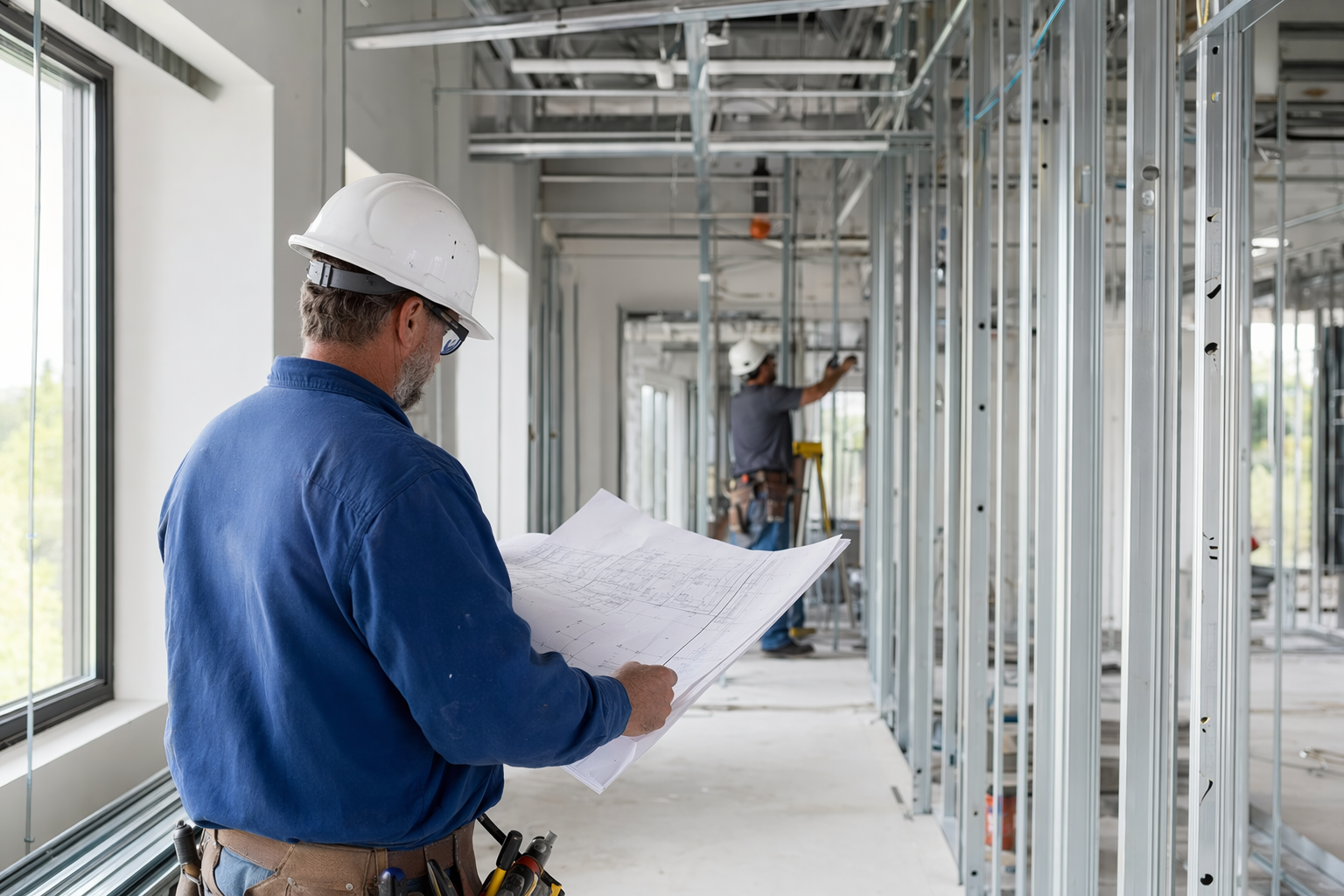
A commercial build-out is the work needed to turn an empty, unfinished, or outdated space into a place your business can actually use. It may be called a tenant improvement, interior build-out, office fit-out, retail build-out, or restaurant renovation, depending on the space and lease. The work often includes layout changes, framing, drywall, flooring, ceilings, lighting, plumbing, HVAC, electrical upgrades, restrooms, counters, storage areas, accessibility updates, and life-safety items required by code.
Some projects are light interior updates. Others are major renovations with structural work, fire-rated assemblies, grease traps, commercial kitchens, upgraded power, or new mechanical systems. The right contractor depends on the scope. A simple office refresh is very different from building out a medical suite, salon, daycare, restaurant, or retail store with specialty equipment and occupancy requirements.
Mainstay Builders does not perform construction or give engineering, legal, or code advice. We help you get matched with contractors who handle commercial build-outs, and you should always verify that any contractor you hire is properly licensed, bonded, and insured for your state, city, and project type before signing a contract.
How the process works
Most commercial build-outs start with a clear business need. Maybe you are moving into a shell space, taking over a second-generation unit, expanding into the next suite, or reworking a layout to serve more customers. After that, the process usually moves through planning, pricing, permits, construction, inspections, and final punch-list work.
- Step 1: Share basic project details, such as location, business type, square footage, and the kind of work you think you need.
- Step 2: We connect you with licensed, bonded, and insured general contractors who may be a fit for your project.
- Step 3: Contractors review your scope, ask questions, and may schedule a site visit.
- Step 4: You compare experience, references, availability, and written estimates or proposals.
- Step 5: You choose your contractor, review the contract carefully, and confirm permits, insurance, and schedule before work starts.
If your project needs plans from an architect, engineer, or designer, many general contractors can tell you what usually comes first, but those professionals should provide the actual design and technical guidance. On some jobs, the landlord also has approval rights over plans, materials, signage, operating hours for construction, and building access. If you are a tenant, your lease matters. It can affect who pays for what, what changes are allowed, and whether landlord approval is required before permits or construction begin.
Permits, licensing, and inspections
Commercial build-outs often require permits, and the rules are usually stricter than for simple home projects. The exact permits depend on your city, county, state, building type, occupancy, and scope of work. Interior walls, electrical changes, plumbing work, HVAC changes, commercial kitchen equipment, fire suppression, accessibility upgrades, signage, and structural work may each trigger separate permits or reviews.
Inspections are also common. A project may need rough and final inspections for building, electrical, plumbing, and mechanical work. Some spaces also need fire department review, health department review, zoning confirmation, ADA-related compliance review, grease interceptor approval, or landlord sign-off. This is one reason it is so important to hire a contractor who already understands commercial work in your area.
Licensing rules vary by state and locality. In many places, the general contractor needs a state or local license, and specialty trades such as electricians, plumbers, and HVAC technicians may need their own licenses too. Bonding and insurance matter as much as licensing. Ask for proof of general liability coverage, workers' compensation if required, and any bonding required by law or by your lease or lender. Always verify credentials yourself with the issuing agency and insurer before you sign.
- Ask who will pull permits and whose name will be on them.
- Confirm the contractor has commercial project experience, not just residential remodeling experience.
- Make sure the proposal states what is included and what is excluded.
- Check whether design, permit fees, utility upgrades, and specialty equipment are separate costs.
- Ask how inspection corrections, change orders, and delays are handled in writing.
What it typically costs
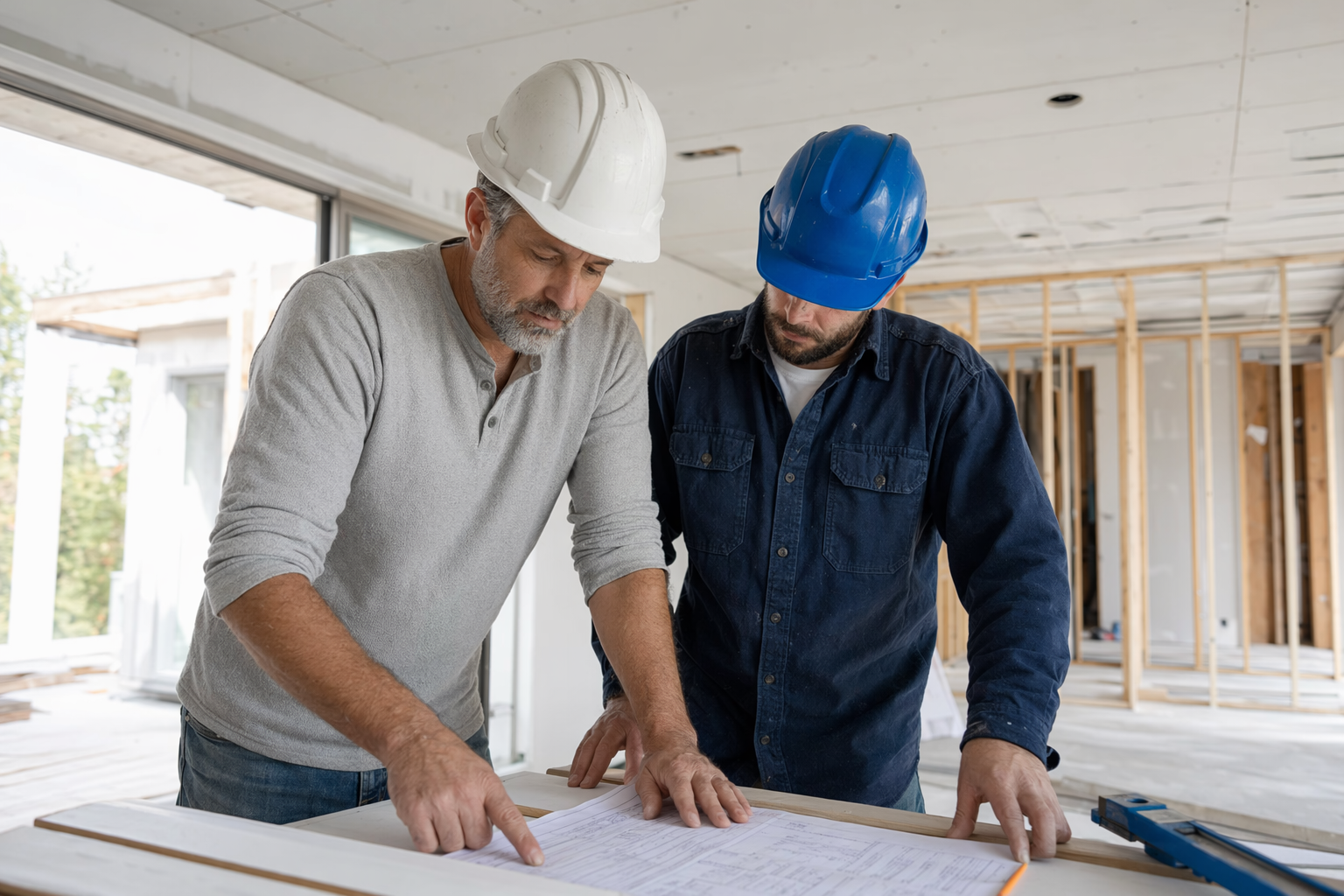
Commercial build-out costs vary a lot. Size, location, permit requirements, existing conditions, business type, finish level, and whether you are changing plumbing, electrical service, HVAC, or structural elements all affect the total. A simple office refresh in a usable space may cost far less per square foot than a restaurant, salon, medical office, or other business with heavy utility, ventilation, accessibility, or code requirements.
Nationally, light commercial interior build-outs often start around tens of thousands of dollars for smaller, basic spaces. Mid-range projects for offices, retail, and service businesses can move into the low or mid six figures. Specialized spaces can go much higher. These are estimates, not quotes or guarantees. The only reliable price is a written proposal from a licensed, bonded, and insured contractor who has reviewed your actual space, plans, and local code requirements.
It also helps to think beyond the construction line item. You may need to budget for design, engineering, permit fees, landlord review fees, utility deposits, signage, furniture, fixtures, equipment, IT wiring, security systems, accessibility upgrades, and a contingency for surprises behind walls or above ceilings. Older buildings often bring hidden issues like outdated wiring, plumbing problems, uneven floors, code gaps, or moisture damage.
How to choose the right contractor
The best contractor is not always the cheapest bid. You want a licensed, bonded, and insured general contractor with real commercial experience in projects like yours. A contractor who has built restaurants may not be the best fit for a small medical office, and a contractor who mainly does houses may not be ready for the permit and inspection demands of a commercial build-out.
Ask direct questions. Have they worked on spaces with your use type before? Do they understand landlord coordination, active business buildings, after-hours work rules, and commercial inspections? Can they show recent projects similar in size and complexity? Will they use licensed trade subcontractors where required? Who manages the site day to day? How do they handle change orders, payment schedules, and delays?
- Verify the contractor's license with the state or local licensing board.
- Ask for certificates of insurance and confirm they are current.
- Check whether the contractor is bonded if your project or locality requires it.
- Request a detailed written scope of work, not just a one-page number.
- Compare allowances, exclusions, and materials so you are comparing similar bids.
- Ask for recent commercial references without relying only on online reviews.
- Read the contract closely before signing, including payment terms and change-order rules.
If English is not your first language, it is okay to ask for simple explanations, translated summaries, or extra time to review documents. A good contractor should be willing to explain the scope, schedule, payment terms, and permit responsibilities clearly. You should never feel rushed into signing.
Get matched
Mainstay Builders is a free matching service. We help connect business owners, tenants, and property users with licensed, bonded, and insured general contractors for commercial build-outs and tenant improvements across the U.S. Whether you are opening a small retail shop, updating an office suite, converting a service space, or planning a more complex interior build-out, we can help you start the comparison process.
To get matched, it helps to have a few basics ready: your property address or city, the approximate square footage, your business type, whether you are a tenant or owner, your target opening window, and any plans, sketches, or photos you already have. You do not need to know every technical detail to begin. The goal is to help you connect with contractors who can review the scope and tell you what the next step may be.
We do not ask for immigration status, Social Security numbers, or other sensitive personal data to help with a match. You stay in control. Review your options, speak with contractors directly, verify credentials yourself, and choose the licensed pro you trust for your project.
Frequently asked questions
Do I need a licensed contractor for commercial build-out contractors?
In many cases, yes. Commercial build-outs often involve permits, inspections, and licensed trades such as electrical, plumbing, and HVAC work, so hiring a licensed, bonded, and insured general contractor is usually the safest path. Requirements vary by state and city, so always verify local rules and confirm the contractor's credentials before signing.
How long does this kind of project take?
It depends on the size of the space, the type of business, permit review times, and how much work is involved. A small, simple interior refresh may take weeks, while a full commercial build-out with layout changes, new systems, and multiple inspections can take months. No one should promise an exact timeline before reviewing the space, plans, local approvals, and contractor availability.
What should I have ready before I get matched?
Bring the basics: property location, approximate square footage, business type, whether you are leasing or own the space, your rough budget range, and your target opening date. If you have a floor plan, landlord work letter, photos, or a list of needed changes, that helps too. You do not need perfect plans to start, but clear information helps contractors give more useful feedback and estimates.