Kitchen & bath remodel contractors
Planning a kitchen or bathroom remodel with plumbing, electrical, or layout changes? Mainstay Builders is a free matching service that connects homeowners with licensed, bonded, and insured general contractors who can coordinate the full project.
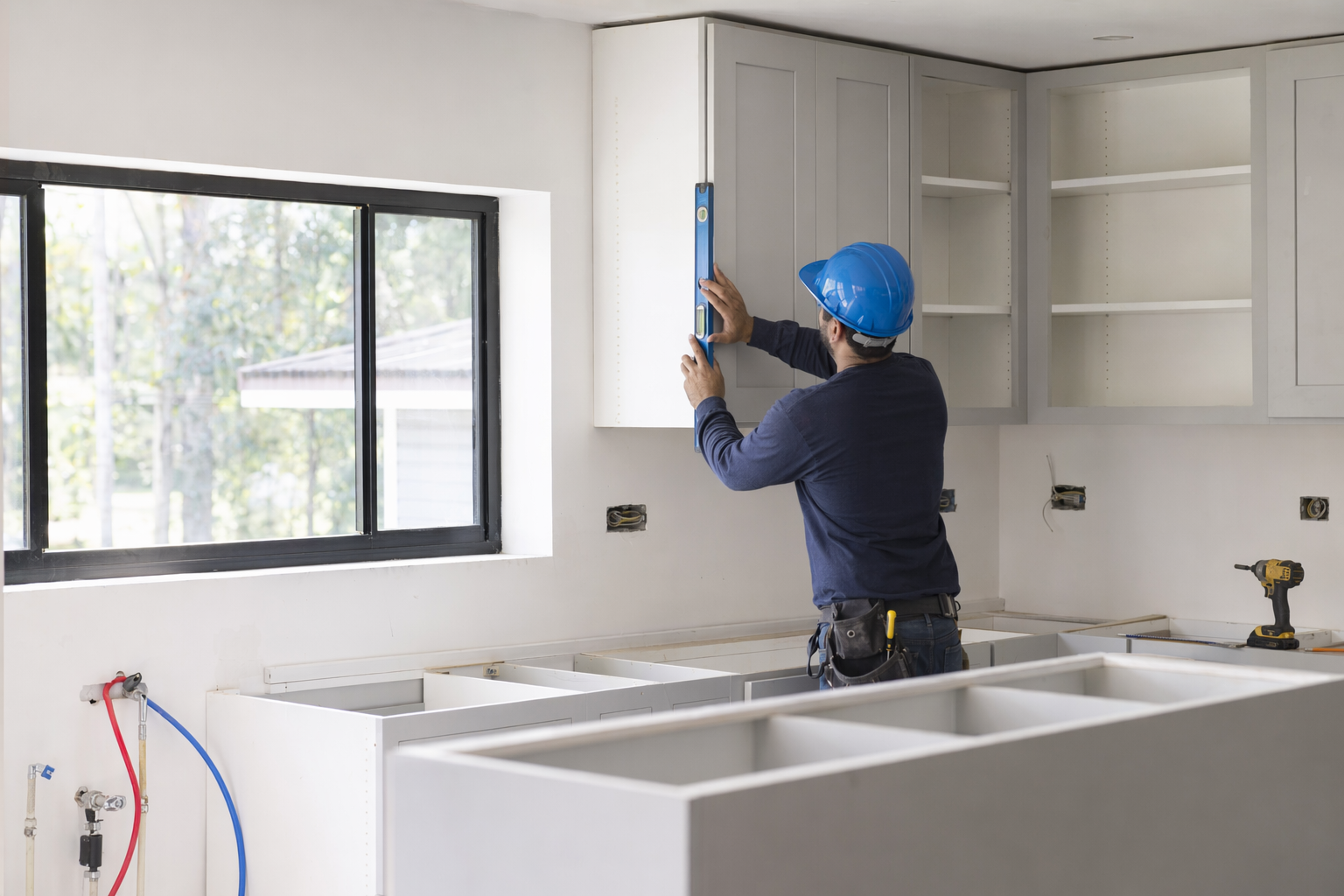
What this project involves
A true kitchen or bath remodel is more than swapping cabinets or paint. Many projects involve multiple trades working in a set order, including demolition, framing, plumbing, electrical, drywall, tile, flooring, cabinets, countertops, fixtures, and finish work. If you are moving a sink, shower, tub, toilet, stove, hood, or major appliances, the job often becomes more complex and usually requires permits and licensed trade work.
Kitchen remodels often include cabinet replacement, countertop installation, lighting updates, appliance relocation, ventilation work, island changes, and new flooring. Bathroom remodels often include shower or tub replacement, waterproofing, tile work, vanity installation, plumbing fixture updates, lighting, ventilation, and in some cases structural repairs from hidden water damage. Older homes can add another layer of complexity if walls are opened and outdated wiring, plumbing, or framing issues are found.
Because so many systems overlap, many homeowners look for a general contractor who can manage scheduling, pull in the right licensed subcontractors where needed, and keep the sequence moving. Mainstay Builders does not perform remodeling work or give construction advice. We help you get matched with contractors so you can compare options and choose the licensed pro that fits your project.
- Kitchen work may involve cabinets, countertops, appliances, electrical circuits, plumbing lines, ventilation, flooring, and layout changes.
- Bathroom work may involve showers, tubs, waterproofing, tile, vanities, lighting, plumbing, ventilation, and moisture-related repairs.
- Projects that move walls or fixtures may need structural review, permits, and more inspection steps.
- The right contractor should be licensed, bonded, and insured for this type of work in your area.
How the process works
Mainstay Builders is a free homeowner matching service. You tell us the basics of your kitchen or bath remodel, and we help connect you with licensed, bonded, and insured general contractors who serve your area. From there, you can talk with the contractors directly, share your plans, ask questions, and decide who you want to hire.
The matching process is simple. First, share the type of space you want to remodel, the rough size, the main changes you want, and whether plumbing, electrical, or layout updates are involved. Then review the contractors you are matched with and schedule conversations or site visits if you want estimates. Always compare scope, timeline expectations, communication style, license status, insurance coverage, and who will actually supervise the work before signing any agreement.
If English is not your first language, that is okay. Many families want clear communication and patient explanations during a major remodel. We welcome those needs. We do not ask for immigration status, SSN, or other sensitive personal information to help you get matched.
Permits, licensing & inspections
Many kitchen and bathroom remodels require permits, especially when the work touches plumbing, electrical, ventilation, windows, walls, or structural elements. Rules vary by city and county, so the exact permit needs depend on your location and the scope of work. Even when a contractor says a job is "small," it is smart to ask what permits are required and who will be responsible for obtaining them.
A licensed general contractor is often the right fit when several trades need to be coordinated. In many places, electrical and plumbing work must also be done by properly licensed trade professionals or under the right supervision, depending on local rules. Inspections help confirm that permitted work meets local code requirements, but inspections are not a warranty, and they do not replace the need to hire a qualified contractor.
Before you sign anything, verify the contractor's license status with the appropriate state or local agency. Ask for proof of insurance and ask whether the company is bonded. Confirm the business name on the contract matches the license and insurance documents. You should also ask who will pull permits, who will be on site day to day, and whether subcontractors will be used for plumbing, electrical, tile, or cabinetry.
- Ask whether your project needs permits for plumbing, electrical, mechanical, or structural work.
- Verify that the contractor is licensed in your state for this kind of project.
- Ask for proof of general liability insurance and workers' compensation coverage if applicable.
- Confirm whether the contractor is bonded and what that bond does and does not cover.
- Make sure the contract states who is responsible for permits, inspections, cleanup, and change orders.

What it typically costs
Kitchen and bathroom remodel costs vary a lot based on size, layout changes, materials, labor rates, and the condition of the existing space. Plumbing moves, electrical upgrades, waterproofing, custom cabinets, stone counters, and hidden damage can all raise the total. The numbers below are broad U.S. estimates, not quotes or guarantees.
A basic cosmetic refresh can cost less than a full gut remodel, but once you open walls or move fixtures, costs can rise quickly. In bathrooms, waterproofing, tile labor, shower glass, and plumbing changes are common cost drivers. In kitchens, cabinets are often one of the biggest line items, followed by countertops, electrical work, appliances, and labor.
Older homes may need extra work to meet current code, especially if wiring, drains, vents, or framing are outdated. If the contractor finds rot, mold, prior leak damage, or hidden structural problems, your final total may be higher than the first estimate. That is why it helps to compare detailed written estimates and ask what is excluded, what allowances are included, and how change orders are handled.
- Lowest-cost remodels usually keep the same layout and avoid moving plumbing or electrical lines.
- Custom cabinets, natural stone, heated floors, luxury fixtures, and premium tile can raise the budget fast.
- Permit fees, demolition, debris hauling, temporary kitchen setup, and code upgrades are often overlooked.
- Always treat online or early numbers as estimates, not final quotes or guarantees.
How to choose the right contractor
Do not choose based on price alone. A low number can mean missing scope, weak materials, no permit plan, or unrealistic labor assumptions. A better approach is to compare detailed estimates side by side and look closely at what each contractor includes, excludes, and assumes.
Ask how the contractor handles scheduling, communication, and problem-solving. Kitchen and bath remodels can disrupt daily life, so you want a contractor who explains the sequence clearly and responds in a timely way. It is also important to know whether the company uses in-house crews, subcontractors, or a mix of both, and who your main point of contact will be once the work starts.
Review the contract carefully before you sign. It should describe the scope of work, payment schedule, estimated start and completion windows, materials or allowances, permit responsibility, cleanup, warranty language if any, and the process for changes. Mainstay Builders cannot review contracts or guarantee contractor performance, so always verify credentials yourself and ask questions until the terms are clear.
- Verify license, bond, and insurance before signing.
- Ask for a written scope with materials, allowances, and exclusions listed clearly.
- Find out who supervises the job and how often they will be on site.
- Ask how change orders are approved and priced.
- Make sure permit responsibility is written into the contract.
- Choose a contractor who communicates clearly and answers questions directly.
Get matched
If you are planning a kitchen remodel, bathroom remodel, or both at the same time, Mainstay Builders can help you get connected with licensed, bonded, and insured general contractors in your area. You can share your goals, compare options, and choose the contractor that feels right for your home, budget, and timeline.
You do not need perfect plans to get started. Even a simple description of the room, the changes you want, and whether you expect plumbing, electrical, or layout work can help. If you already have measurements, inspiration photos, or drawings, that can make contractor conversations more productive, but you can still start the matching process without them.
Our service is free to homeowners. We are here to help you take the next step, especially if you want a clearer path to finding qualified professionals. Once matched, take time to verify each contractor's license, bond, and insurance, compare written estimates, and choose your own licensed pro with confidence.
Frequently asked questions
Do I need a licensed contractor for kitchen & bath remodel contractors?
For many kitchen and bathroom remodels, yes, a licensed contractor is the safest route, especially if the work includes plumbing, electrical, walls, ventilation, or structural changes. Local rules vary, but permit-required work often needs properly licensed professionals. Mainstay Builders can help you get matched, but you should always verify the contractor's license, bond, and insurance before signing.
How long does this kind of project take?
Timelines vary a lot based on the size of the remodel, material lead times, permit approvals, inspections, and whether hidden problems are found after demolition. A smaller bathroom may take weeks, while a larger kitchen or full multi-room remodel can take much longer. Any timeline you hear early on should be treated as an estimate, not a guarantee.
What should I have ready before I get matched?
It helps to have a rough idea of which room you want to remodel, what changes you want, and whether you plan to move plumbing, appliances, or walls. Basic measurements, photos, inspiration images, and a target budget range can also help contractors prepare more useful estimates. You do not need to provide sensitive personal information, and you do not need final plans to start.