A first-time build, in a second language
This anonymized case study shows a common pattern we see: a first-time immigrant homeowner wanted to build an ADU, but the process felt hard in a second language and with no past construction experience. Mainstay Builders did not build the project or give professional advice. We helped connect the family with licensed, bonded, and insured general contractors so they could compare options and choose their own pro.
The situation
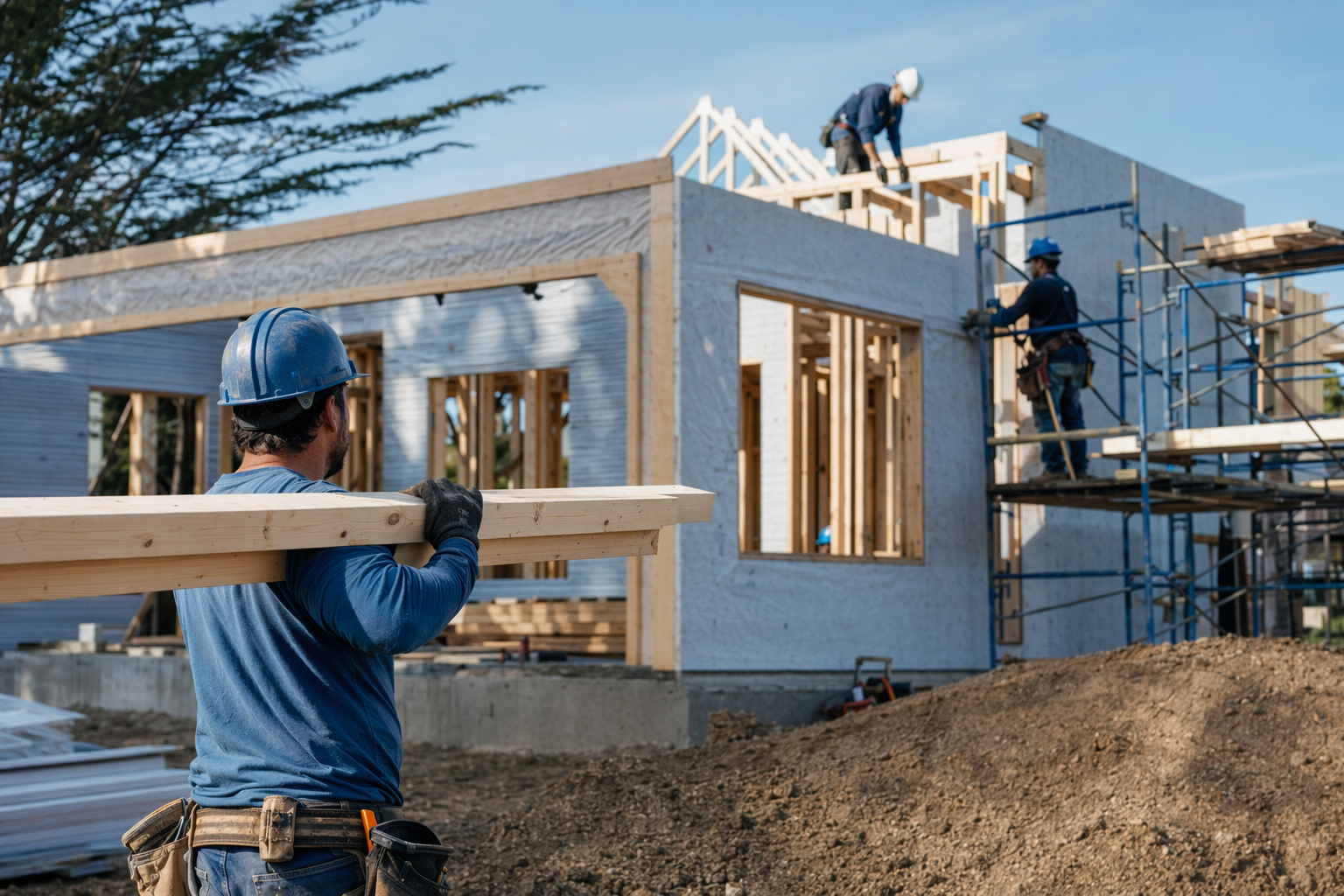
A homeowner in the U.S. had one clear goal: create a small backyard home for family. They had steady income, a property with space, and a strong reason to build. But this was their first construction project of any kind. English was not the language most used at home, and a lot of the terms they heard from online research, city websites, and contractors were unfamiliar. Words like setback, utilities, grading, structural plans, and change order all added stress.
Like many first-time owners, they were not looking for anything fancy. They wanted a safe, legal, durable ADU that fit the lot and the family budget. They also wanted respect. They did not want to feel rushed, talked down to, or pushed into signing something they did not fully understand. Their biggest fears were simple: overpaying, hiring the wrong person, and ending up with a half-finished project.
This is where many homeowners get stuck. Not because they are unprepared, but because major building work is a big decision. A new build, addition, or ADU can involve permits, plans, utilities, inspections, scheduling, and a large financial commitment. If English is not your first language, even a normal contractor meeting can feel harder. That does not mean you should move fast with whoever calls back first. It usually means you need a clearer process and better questions.
What they wanted
The homeowner wanted an attached-free, independent ADU in the backyard for a close relative. The wish list was practical: one bedroom, one bathroom, a small kitchen, good insulation, easy-to-clean finishes, and low future maintenance. They cared more about function than trends. They also wanted realistic information about what could be built on the lot, what permits might be required, and what the total project might roughly cost before they spent too much time going down the wrong path.
- A legal ADU that fits local rules and the property
- A builder who could explain the process in plain language
- A clear written scope of work before signing
- A payment schedule tied to real progress, not vague promises
- Proof that the contractor was licensed, bonded, and insured
- Enough time to compare bids without feeling pressured
They did not need a sales pitch. They needed a fair shot at understanding the job. That included knowing what was included in one contractor's number and missing from another. One early estimate they found on their own looked low, but it was vague. Site work was unclear. Utility connections were unclear. Permit support was unclear. Cleanup was unclear. A low number is not always the lower-cost project in the end.
How matching helped
Mainstay Builders helped by connecting the homeowner with licensed, bonded, and insured general contractors who handle major residential work. We are a free matching service. We did not design the ADU, price the job, manage the project, or recommend one contractor over another. The value was in helping the homeowner start with contractors who matched the type of work and then compare them more carefully.
That changed the tone of the search. Instead of trying to decode random online ads or call a long list of unknown companies, the homeowner focused on a smaller set of qualified options. They asked each contractor the same core questions. Could you explain your process step by step? Have you built ADUs or similar small detached units before? What is included in this scope? What is not included? Who handles permits and plan coordination? How do you document changes? Can you show proof of license, bond, and insurance? What schedule and payment structure do you use?
One contractor stood out not because they were the cheapest, but because they were the clearest. Their written proposal broke down the work in a way the homeowner could follow. They identified allowances, possible unknowns, and areas that might change after plans, engineering, or city review. They did not promise a perfect timeline or say there would never be surprises. That honesty helped build trust.
The cost conversation
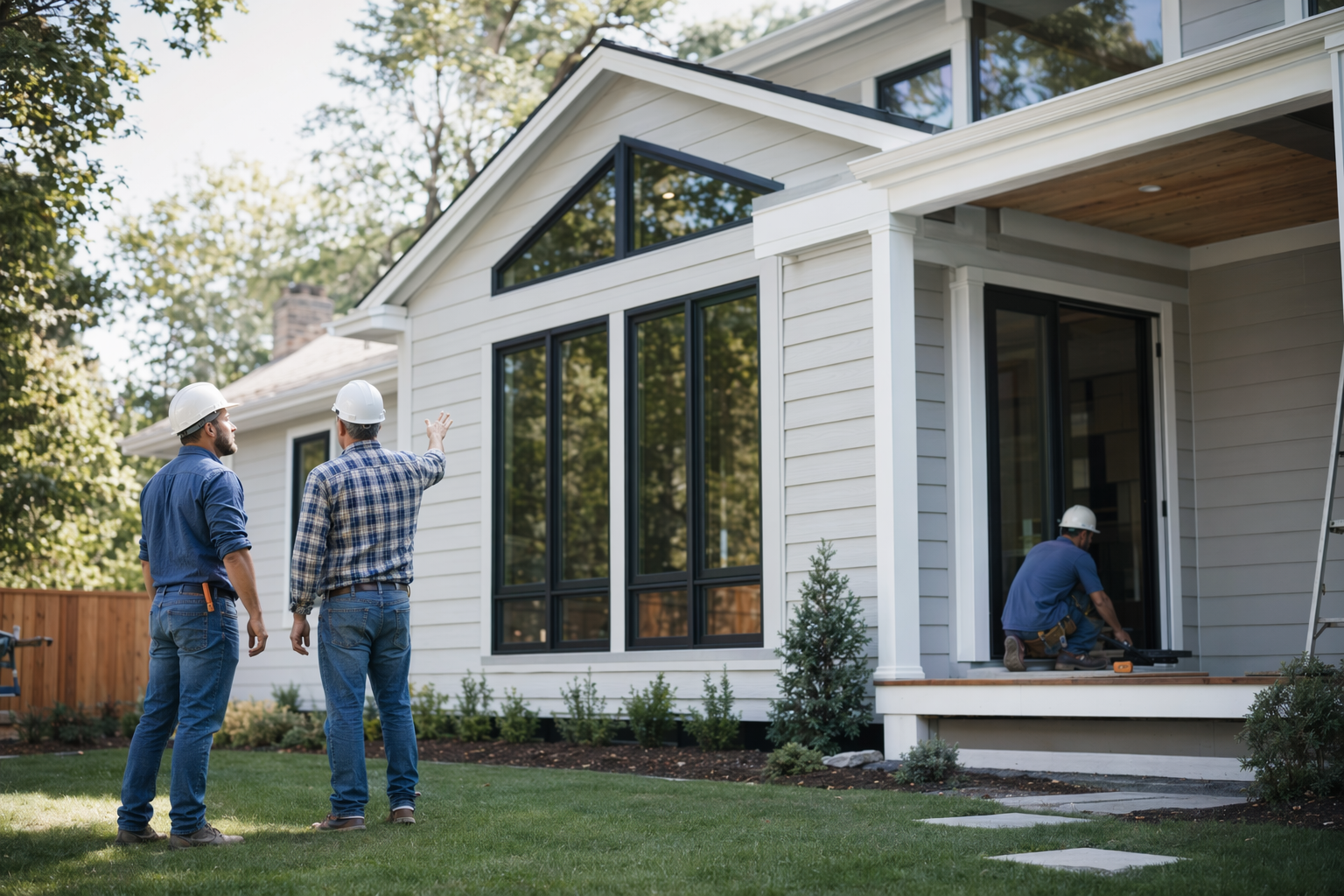
The homeowner's first online assumption was that an ADU would cost much less than it actually did. That is common. Nationally, ADU costs vary a lot based on size, location, site conditions, utility work, design choices, labor markets, and local permit requirements. The homeowner learned to treat early numbers as screening tools, not promises.
These are estimates, not quotes or guarantees. Some projects come in below these ranges, and some go well above them. In this case, the final contractor choice was not the lowest initial number. It was the proposal that gave the homeowner the best understanding of what they were paying for and what could still change. That reduced the risk of painful surprises later.
What they learned
The biggest lesson was that asking basic questions is not a weakness. It is how smart homeowners protect themselves. The family learned that if a contractor gets impatient when asked to explain scope, allowances, permit responsibility, payment schedule, or proof of insurance, that is useful information. They also learned that it helps to bring a trusted family member or interpreter to meetings if language is a concern. You do not need to pretend to understand. You need enough clarity to make a safe decision.
- Get every major promise in writing
- Compare bids line by line, not just by total price
- Verify license, bond, and insurance before signing
- Ask who handles permits, inspections, and subcontractors
- Expect some unknowns, especially with site and utility work
- Do not pay based on pressure. Pay based on documented progress.
Another important lesson was emotional, not technical. The homeowner started the process feeling embarrassed about language gaps and lack of experience. By the end, they understood that many owners feel the same way, even native English speakers. Construction is complex. The answer is not to stay quiet. The answer is to slow down, compare carefully, and choose a licensed professional who communicates clearly.
Honest takeaway
This story does not end with a claim that everything was easy. It usually is not. Permits can take time. Plans can change. Costs can move. Site conditions can create extra work. Even with a good contractor, major residential building takes patience. But the homeowner's experience improved once they stopped looking for a perfect promise and started looking for a qualified, licensed, bonded, and insured contractor who would explain the job honestly.
That is the real role Mainstay Builders plays. We help homeowners get matched with contractors for serious residential projects like ADUs, additions, structural work, major renovations, and new builds. We do not replace your own judgment, and we are not a contractor or licensed building professional. You should always verify credentials, review the scope, and choose your own pro before signing anything. For first-time homeowners, especially families navigating the process in a second language, that simple step can make the whole project feel more manageable.
Frequently asked questions
Can Mainstay Builders help me build an ADU if English is not my first language?
Yes. We can help connect you with licensed, bonded, and insured general contractors for ADUs and other major home projects. We do not build the project ourselves, and we do not need sensitive personal information like immigration status, SSN, or ID to help you start the matching process.
How much does an ADU usually cost?
ADU costs vary widely by size, region, site conditions, utilities, finishes, and local rules. A broad national range for many projects is about $150,000 to $400,000+, but those are estimates, not quotes or guarantees. Always get detailed written proposals from licensed contractors and compare what is included.
Why not just choose the lowest bid?
The lowest number can leave out important work, allowances, permit support, or site costs. That can lead to change orders and higher real costs later. A better approach is to compare scope, communication, credentials, payment terms, and experience, not just the bottom line.
What should I verify before signing with a contractor?
Verify that the contractor is licensed, bonded, and insured in the right place for your project. Ask for a written scope, payment schedule, estimated timeline, and a clear explanation of what is excluded. If anything is unclear, ask questions before signing, not after.
Does Mainstay Builders give quotes, plans, or legal advice?
No. Mainstay Builders is a free matching service, not a contractor, architect, engineer, or law firm. We connect homeowners with contractors, but you must review details directly with the licensed professional you choose.