A second-story addition, start to finish
This anonymized case-study shows a common pattern: a growing family wanted more space but did not want to leave their neighborhood, so they explored a second-story addition. Mainstay Builders did not build the project or give design advice. We helped them get matched with licensed, bonded and insured general contractors so they could compare options and choose their own professional team.
The situation
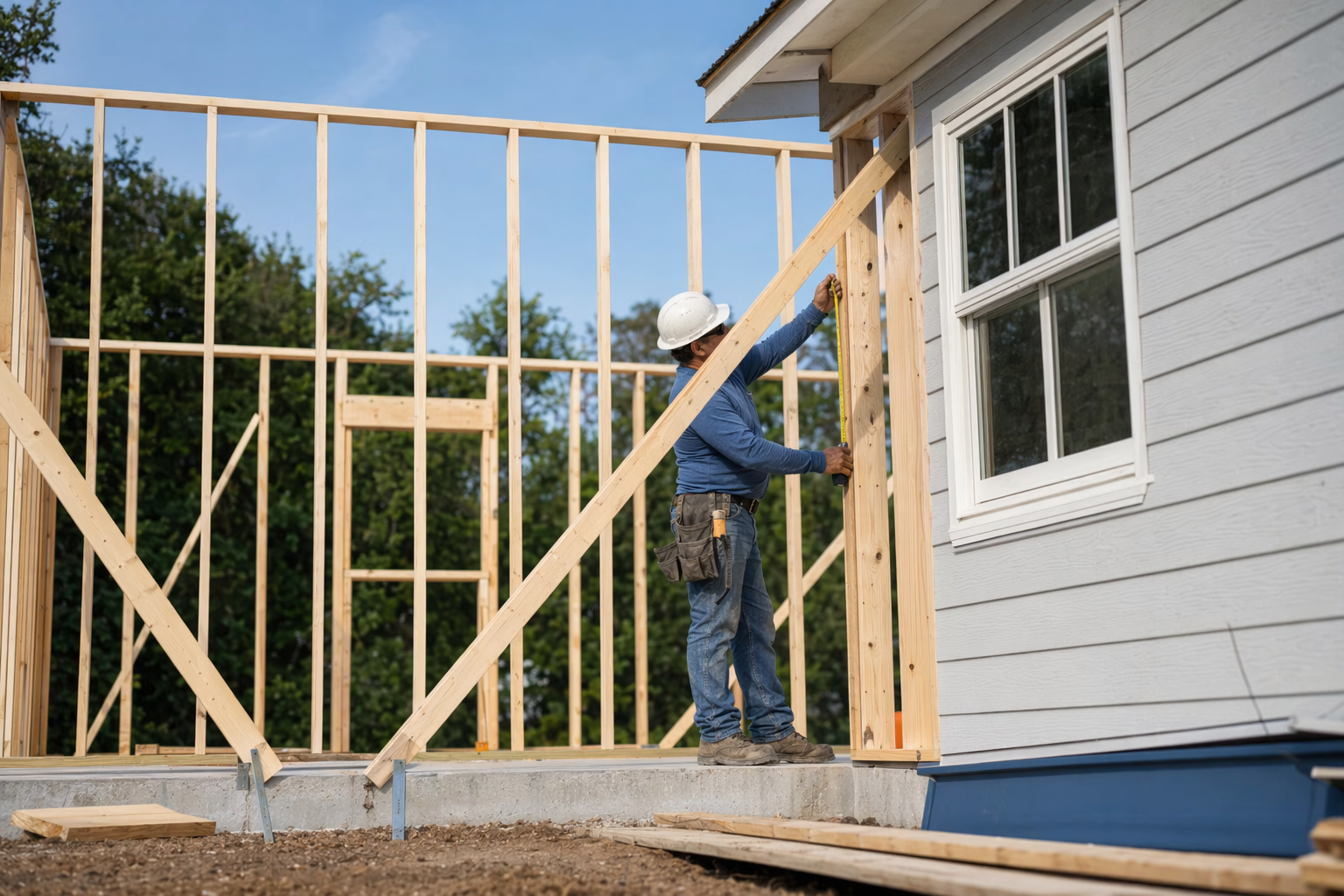
A family in a high-cost U.S. metro area had outgrown their one-story home. They had children sharing rooms, one adult working from home, and very little storage. Moving was possible, but homes with the space they needed were far more expensive than staying put and improving what they already owned. They also wanted to stay near school, work, relatives, and a community where they felt comfortable.
At first, they were not sure whether a second-story addition was even realistic. They had heard very different opinions from friends and neighbors. One person said it was a smart way to add bedrooms. Another said it would be too disruptive, too expensive, and maybe not possible on an older house. Like many homeowners, they needed facts from qualified local professionals, not guesses.
What they wanted
Their goals were clear. They wanted two more bedrooms, another bathroom, better separation between living space and sleeping space, and a layout that would still work for the long term. They also wanted to keep as much of the first floor functioning as possible during construction, if that turned out to be feasible.
Just as important, they wanted to avoid a common mistake: talking with only one contractor and assuming the first plan was the only plan. They had a budget range in mind, but they also knew they were looking at a large project with many unknowns. So they focused on finding contractors who could explain tradeoffs in plain language.
- Could the existing foundation and framing support a second story, or would major reinforcement be needed?
- Would they need to move out during part of the project?
- How would stairs fit without hurting the first-floor layout?
- What permits, inspections and engineering would likely be involved?
- What upgrades might be triggered, such as electrical, HVAC or fire-safety items?
- How should they compare bids if each contractor suggested a different approach?
How matching helped
Mainstay Builders helped the family get matched with licensed, bonded and insured general contractors who work on additions and major renovations. That gave them a starting point for real conversations with professionals who understood local permit processes, structural coordination and the practical reality of building up on an occupied home.
The most useful part was not just getting multiple names. It was being able to compare how different contractors approached the same project. One suggested a fairly simple second-floor bedroom layout but warned that the existing structure would need reinforcement. Another focused on preserving first-floor flow and proposed a different stair location. A third was more conservative and explained why opening walls early might reveal costly conditions in an older house. The family could see that contractor fit mattered, not just price.
They also learned to ask better questions. Instead of saying, “How much will this cost?” they started asking, “What assumptions are built into this number?” and “What could change the price after demolition or engineering review?” That shift helped them compare estimates more fairly.
- They asked each contractor for proof of license, bond and insurance.
- They asked who would handle permits and how inspections would be scheduled.
- They asked whether the contractor regularly works with structural engineers on additions.
- They asked what items were allowances versus fixed scope.
- They asked what site protection, cleanup and temporary weatherproofing would look like.
- They asked for a realistic explanation of disruption, not just a best-case timeline.
What the early numbers looked like
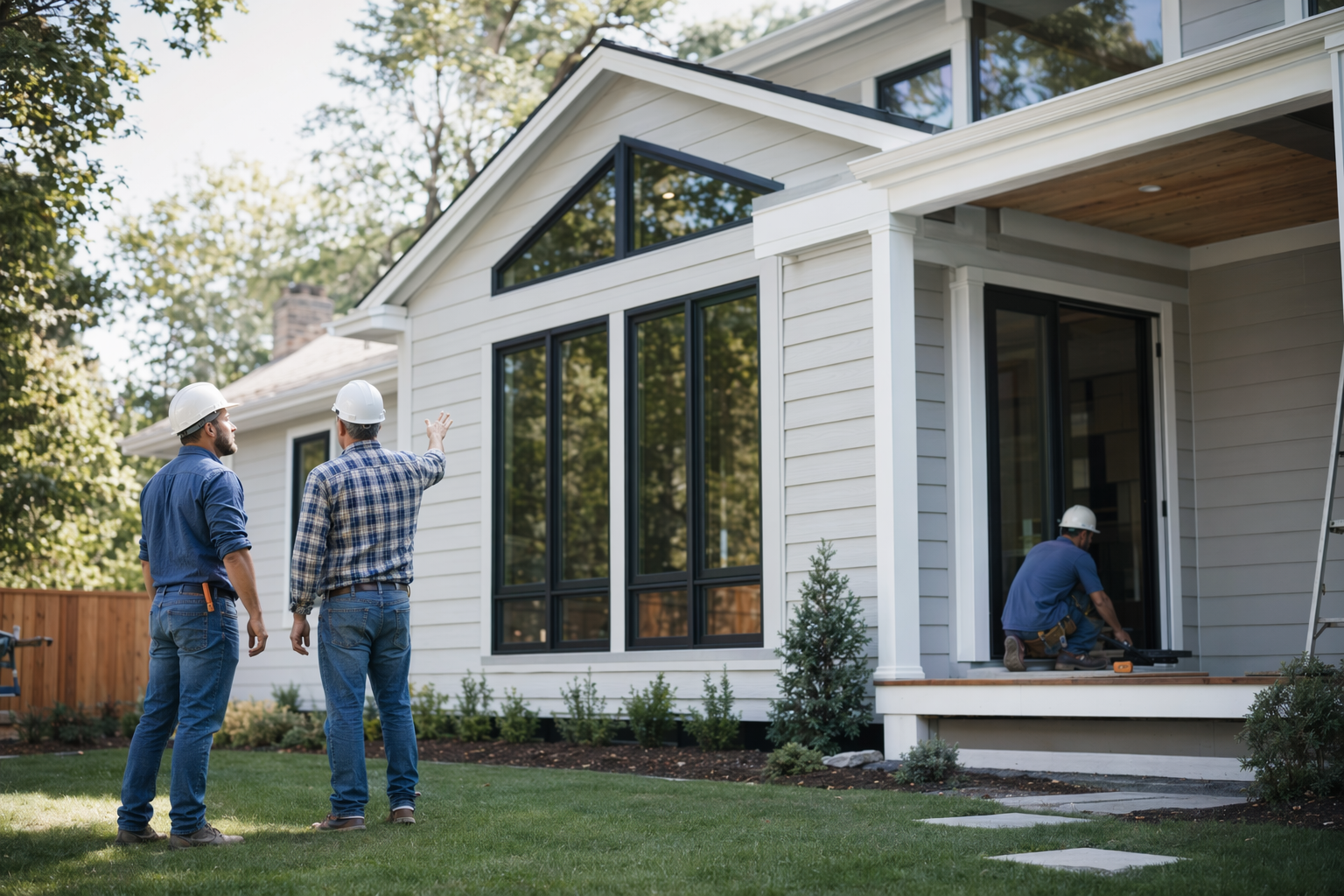
The family received broad pricing discussions before final plans were complete, and the numbers varied a lot. That did not mean anyone was being dishonest. It meant the project had real variables: structure, roof removal and rebuild, stair placement, utility changes, finish level, local labor costs, and whether hidden conditions would appear once work began. For a second-story addition, early figures are estimates, not quotes or guarantees.
These are broad national estimates, not quotes or guarantees. In some markets, especially expensive urban areas or highly complex homes, totals can land higher. Final pricing depends on plans, engineering, local code requirements, materials, labor, and site conditions. A licensed local contractor can review the actual property and provide project-specific pricing.
What they learned during the process
The biggest lesson was that a second-story addition is never just “adding rooms upstairs.” It affects the whole house. Stair placement changes circulation. New bathrooms affect plumbing. Extra square footage affects heating and cooling. Structural reinforcement may affect walls below. Roof work affects weather exposure and scheduling. The family became more comfortable with the project once a contractor clearly explained how all those pieces connected.
They also learned that the lowest number on paper is not always the safest choice. One estimate looked attractive at first but left many items vague. Another was higher but much more specific about structure, permit coordination, temporary protection, debris handling and likely exclusions. That clearer scope made it easier to understand what they were actually buying.
Communication mattered too. This family spoke more than one language at home, and they valued contractors who were patient, respectful and willing to explain steps clearly. Mainstay Builders can help connect homeowners who want that kind of communication, but every homeowner should still verify credentials and choose the contractor they trust. Good communication does not replace licensing, bond and insurance. It should come along with them.
Honest takeaway
In the end, the family moved forward only after they understood the likely scope, the key risks and the contractor’s process. The best result did not come from chasing the fastest promise or the lowest early number. It came from comparing qualified professionals, checking credentials, asking plain questions and getting comfortable with the real complexity of the job.
That is the practical value of a matching service. Mainstay Builders helps homeowners get connected with licensed, bonded and insured contractors for major projects like second-story additions. We do not perform the work, approve plans or replace professional design, engineering or legal advice. Homeowners should always do their own review, verify credentials, compare written proposals and sign only when the scope and terms are clear.
Frequently asked questions
Is a second-story addition usually cheaper than moving?
Sometimes, but not always. It depends on local home prices, the condition of your current house, structural needs, permit requirements and the level of finishes you want. A licensed local contractor can help you understand the build side, while you compare that against the total cost of buying another home.
Can a family stay in the home during a second-story addition?
Sometimes for part of the project, but not always. Safety, access, weather exposure, utility interruptions and the extent of structural work all matter. Ask each licensed, bonded and insured contractor how they handle occupancy, site protection and temporary disruptions.
Why do estimates vary so much between contractors?
Because different contractors may make different assumptions about structure, layout, scope, allowances and hidden conditions. One number may include more detail, protection and coordination than another. That is why it helps to compare written scopes, not just the bottom-line figure.
Does Mainstay Builders inspect my house or tell me what design to choose?
No. Mainstay Builders is a free matching service, not a contractor, engineer, architect or licensed building professional. We help connect you with licensed, bonded and insured general contractors, and you choose who to speak with and whether to move forward.
What should I verify before signing with a contractor?
Verify license status, bond and insurance, and confirm the contractor has relevant experience with additions and structural work. Review the written scope, payment terms, permit responsibility, estimated schedule, change-order process and exclusions. If anything is unclear, ask before signing.