Are you ready to pull a permit?
Permits can slow a project down if you are missing key documents, plans, or contractor details. This free checklist helps you see what you may need before you apply, so you can get organized and then get matched with licensed, bonded, and insured general contractors when you are ready.
What this tool helps with
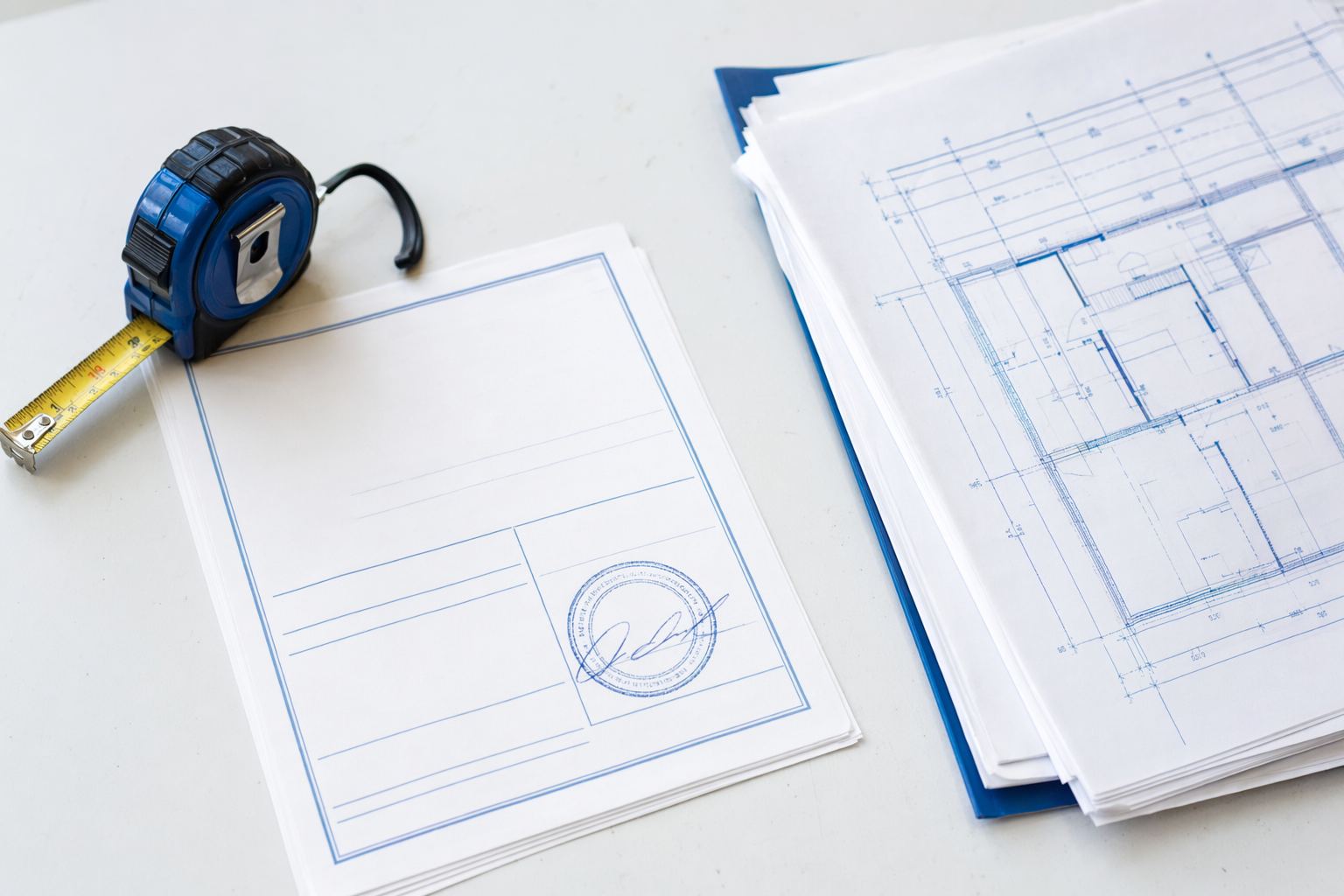
Our Permit Readiness Checklist is a practical planning tool for homeowners starting a new build, home addition, structural repair, or major renovation. It helps you review the common items many cities and counties ask for before they issue a permit. That can include basic project details, site information, rough plans, contractor license information, and any supporting documents your local building department may require.
This checklist is not legal, engineering, architectural, or permit approval advice. Every city, county, and project type is different. Use it to get organized, then confirm the exact permit steps with your local building department and with the licensed professional you choose.
- See whether your project may need more planning before permit submission
- Spot common missing items early, before you lose time
- Prepare better questions for your city or county permit office
- Understand what your contractor or design professional may ask you for
- Keep project records in one place for easier review
Who should use this checklist
This tool is useful if you are in the early planning stage and want to avoid obvious delays. It is especially helpful for homeowners who are not sure what the permit office will ask for, families comparing contractors, and anyone trying to understand the difference between a small cosmetic update and a project that usually needs permits.
Many homeowners use it before they request bids. That way, when they talk to contractors, they can ask clearer questions about drawings, structural scope, permit handling, inspections, and project sequencing. If English is not your first language, a simple checklist can also make permit conversations easier to follow and easier to share with family members.
- Homeowners planning a room addition, second story, ADU, or garage conversion
- Owners preparing for foundation, framing, roof structure, or other structural work
- Families doing major remodels that change walls, layout, plumbing, or electrical systems
- Property owners who want to compare contractor readiness before choosing who to hire
What is usually on a permit readiness checklist
A good checklist covers the basic building blocks of a permit application. You may need your property address, parcel information, a simple project description, dimensions or square footage, and a rough scope of work. For larger jobs, local departments often want site plans, floor plans, elevations, engineering, energy forms, or other technical documents prepared by qualified professionals.
The checklist also helps you think about practical items that often get missed. For example, has the project boundary been measured correctly? Are there setback, height, parking, HOA, historic district, or utility questions? Will the job need separate permits for electrical, plumbing, or mechanical work? Is your contractor prepared to provide license and insurance details for the permit file if the jurisdiction requires them?
- Property and project basics
- Plans and drawings you may need
- Contractor and subcontractor information
- Supporting forms from your local department
- Inspection planning and permit posting questions
- Notes for special conditions like slopes, flood zones, or older homes
How to use the checklist
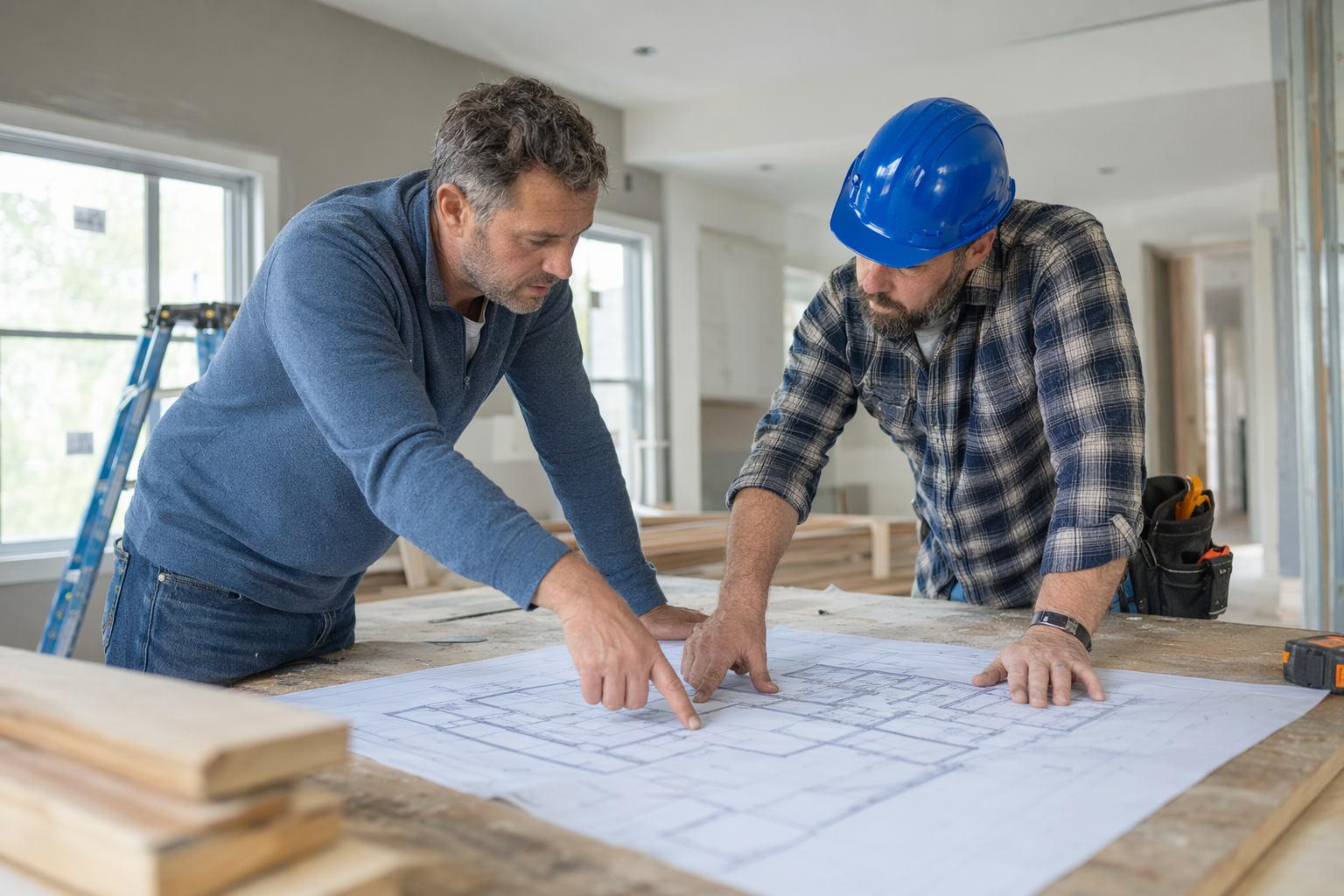
Start by filling out the parts you already know. Write down your address, the type of project, the areas of the home affected, and your main goal. Then mark which items you already have, which items you need to confirm, and which items probably require a licensed contractor, architect, engineer, or permit technician to help complete.
Next, contact your local building department and compare their published requirements to the checklist. Ask for the current permit handout for your exact project type. Rules can change, and different jurisdictions can ask for different forms, review steps, and fees. The checklist works best as a conversation tool, not as a final answer.
- Step 1: Gather your basic property and project information
- Step 2: Mark missing plans, forms, and approvals
- Step 3: Call or review your city or county permit requirements
- Step 4: Use the checklist when speaking with licensed contractors
- Step 5: Verify who is responsible for permits, revisions, and inspections before signing
What permit-related costs can look like
Permit costs vary widely by location and project scope. Fees may depend on square footage, project value, plan review, structural review, utility work, and inspection needs. These are broad national estimates, not quotes or guarantees, and your local fees may be lower or much higher.
The checklist will not tell you your exact fee total. What it can do is help you understand which missing items may add time or cost before permit approval. A licensed contractor or design professional can often explain which parts of your project drive permit complexity, but you should still confirm all fees and filing requirements with your local department.
Download the checklist
Download the Permit Readiness Checklist and save a copy for your project folder. You can print it, fill it out by hand, or keep it digital so you can update it as you gather documents. It is designed to be simple enough for first-time homeowners but useful enough to bring into contractor calls and permit office conversations.
Keep your checklist with any sketches, photos, measurements, HOA letters, and notes from city staff. If more than one family member is involved in decisions, share the same copy so everyone is working from the same information.
Next step: get matched when you are ready
Once you have a clearer picture of your permit needs, the next step is talking to the right contractor. Mainstay Builders is a free service that connects homeowners with licensed, bonded, and insured general contractors for new builds, additions, structural work, and major renovations. We do not choose for you, and we do not do the work. You compare your options, verify credentials, and decide who to hire.
Using the checklist first can make those contractor conversations much more productive. You can ask who will prepare plans, who will submit permits, what inspections are likely, and what could delay approval. That helps you compare contractors on readiness and clarity, not just on price.
Frequently asked questions
Does this checklist tell me if my project definitely needs a permit?
No. It is a planning tool, not an official permit determination. Permit rules depend on your location and your exact scope of work, so you should confirm requirements with your local building department and a licensed professional.
Can Mainstay Builders pull permits or review my plans?
No. Mainstay Builders is a matching service, not a contractor or licensed building professional. We can help connect you with licensed, bonded, and insured general contractors, and you should verify credentials and responsibilities before hiring anyone.
Is the checklist useful if English is not my first language?
Yes. The checklist is designed to be simple and practical, so it can help you organize questions and documents before speaking with contractors or permit staff. You can also share it with family members so everyone understands what is still missing.
Will this checklist lower my permit costs or speed up approval?
It may help you avoid common missing items, which can reduce confusion and delays, but it cannot guarantee a lower cost or a faster approval. Final fees, review times, and permit decisions are set by your local jurisdiction.
What should I ask a contractor before I sign?
Ask whether they are licensed in your state, bonded if required, and insured. Also ask who is responsible for plans, permit submission, corrections, inspections, and change orders. Then verify the license directly with the appropriate authority before signing.